Shenhou Ancient Town
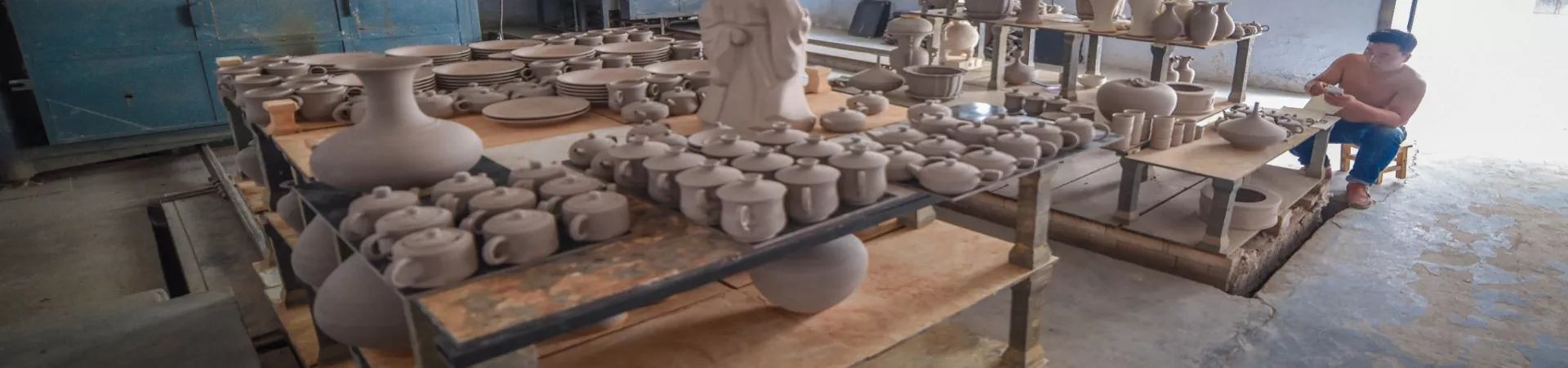
Subtitle: The Cradle of Jun Porcelain – A Journey Through Time and Clay in Shenhou Ancient Town
Introduction: Where Fire and Earth Forged a Legacy
Nestled amidst the rolling hills of Xuchang City in China's Henan Province lies Shenhou Ancient Town, a place where the very air seems to whisper tales of flame, clay, and imperial favor. More than just a well-preserved historical settlement, Shenhou is the revered birthplace of Jun porcelain (Jun Yao), one of the Five Great Kilns of the Song Dynasty and a pinnacle of Chinese ceramic art. For over a millennium, this town has been synonymous with the alchemy of transforming local earth into breathtaking, often unpredictable glazes that captivated emperors and continue to mesmerize visitors today. A visit here is not merely a sightseeing trip but an immersive pilgrimage into the heart of China's ceramic soul, where ancient streets, living traditions, and the spirit of craftsmanship create an unforgettable tapestry of cultural heritage.
I. The Historical and Cultural Heart: A Town Built on Porcelain
1.1. The Genesis of Jun Porcelain The story of Shenhou is inextricably linked to Jun porcelain. Its history flourished during the Northern Song Dynasty (960-1127 AD), when it was designated as official kiln site producing wares exclusively for the imperial court. The unique "controlled oxidation-reduction" firing process in wood-burning kilns and the abundant local resources of high-quality clay and minerals led to Jun ware's distinctive characteristics. The most celebrated feature is its magical, unpredictable glaze effects—lustrous blues reminiscent of the sky after rain, vibrant purples, and mesmerizing crackle patterns. The saying "入窑一色,出窑万彩" ("One color enters the kiln, ten thousand colors emerge") perfectly captures its enchanting variability, where no two pieces are ever truly identical.
1.2. Architectural Tapestry of a Millennial Town Wandering through Shenhou's old quarters is like stepping into a living museum of Ming and Qing dynasty architecture. The town's layout and structures reflect its prosperous past as a ceramic industrial hub. * Ancient Streets and Alleys: The main thoroughfare, often called the "Seven-Li Long Street," is paved with bluestone slabs worn smooth by centuries of footsteps and cart wheels. It is flanked by rows of well-preserved shops, workshops, and residences with grey-tiled roofs, wooden lattice windows, and ornate eaves. * Significant Landmarks: Key historical sites include ancient kiln ruins, temple complexes like the Bo Wang Temple (dedicated to the ceramic industry's patron deity), and grand former residences of wealthy merchant families. These buildings often incorporate ceramic elements, from decorative tiles to inscribed plaques, showcasing the deep integration of the craft into daily life.
II. The Living Craft: Experiencing the Art of Jun Yao
2.1. Workshops and Master Artisans The true essence of Shenhou beats in its numerous studios and family-run workshops. Here, the ancient craft is not a relic but a vibrant, ongoing practice. Visitors have the rare opportunity to witness the entire process firsthand. * From Clay to Form: Watch as artisans deftly throw clay on wheels, hand-sculpt intricate details, or use traditional molds, demonstrating skills passed down through generations. * The Alchemy of Glaze: Learn about the preparation of the secretive glaze formulas, using locally sourced minerals that are the key to Jun ware's iconic colors. * Meeting the Masters: Engaging with resident master potters offers insight into the philosophy, dedication, and deep knowledge required for this art. Many are National Heritage Bearers, upholding and innovating within this intangible cultural heritage.
2.2. The Kiln: Where Magic Happens The kiln, or Yao, is the sacred core of the process. While modern gas kilns are now common, some workshops maintain and occasionally fire traditional horse-hoof shaped kilns (Mati Yao) for special pieces or demonstrations. Understanding the kiln's structure, the precise stacking of pieces ("saggar" setting), and the critical, days-long firing cycle—where temperature and atmosphere are meticulously controlled—reveals why Jun porcelain was so highly prized and technically demanding.
III. A Visitor's Practical Guide to Shenhou
3.1. Key Attractions and Activities * Shenhou Ancient Town Cultural Tourism Zone: The core area encompasses the historic streets, major temples, public squares, and clusters of workshops. Simply meandering here is a primary activity. * Jun Porcelain Museums and Exhibitions: Several museums and gallery spaces, such as those within the Shenhou Jun Porcelain Art Museum complex, display exquisite historical pieces and contemporary masterworks, tracing the evolution of styles and techniques. * Hands-On Pottery Experience: Many studios offer short courses or DIY sessions where visitors can try their hand at shaping clay or even applying glaze, creating a personal souvenir under expert guidance. * Ceramic Market Exploration: The town's shops and market stalls are a treasure trove. From affordable, everyday pieces to high-end collectible artworks, it's an ideal place to appreciate and purchase authentic Jun porcelain.
3.2. Planning Your Visit * Admission and Hours: The ancient town's public areas are generally open to visitors free of charge. Individual workshops, museums, or special demonstration areas may have their own separate fees. The town is accessible throughout the day, though specific indoor attractions or workshops typically operate between 9:00 AM and 5:00 PM. It is advisable to check ahead for any seasonal variations. * Best Time to Visit: Spring (April-May) and Autumn (September-October) offer the most pleasant weather for exploring. Visiting during weekdays can provide a quieter, more intimate experience than weekends. * Local Flavors: Complement your cultural journey with Henan's local cuisine. Look for hearty noodles, savory pancakes, and rustic dishes at small family-run restaurants within the old town.
IV. Preservation and Modern Resonance
Shenhou today stands as a remarkable example of cultural preservation meeting sustainable tourism. Efforts by both the community and cultural authorities ensure the protection of its physical heritage—the kiln ruins, ancient buildings, and traditional techniques. Simultaneously, the town dynamically engages with the present. Contemporary ceramic artists draw inspiration from ancient motifs, experimenting with new forms and expressions while respecting traditional essence. This balance makes Shenhou not a frozen artifact, but a continuously evolving dialogue between its glorious past and its creative future. It is a place where every visitor can touch the texture of history, witness the patience of creation, and understand why this small town's fiery legacy continues to shine as a brilliant jewel in China's cultural crown.