Han Wei Xudu Ancient City Ruins Park
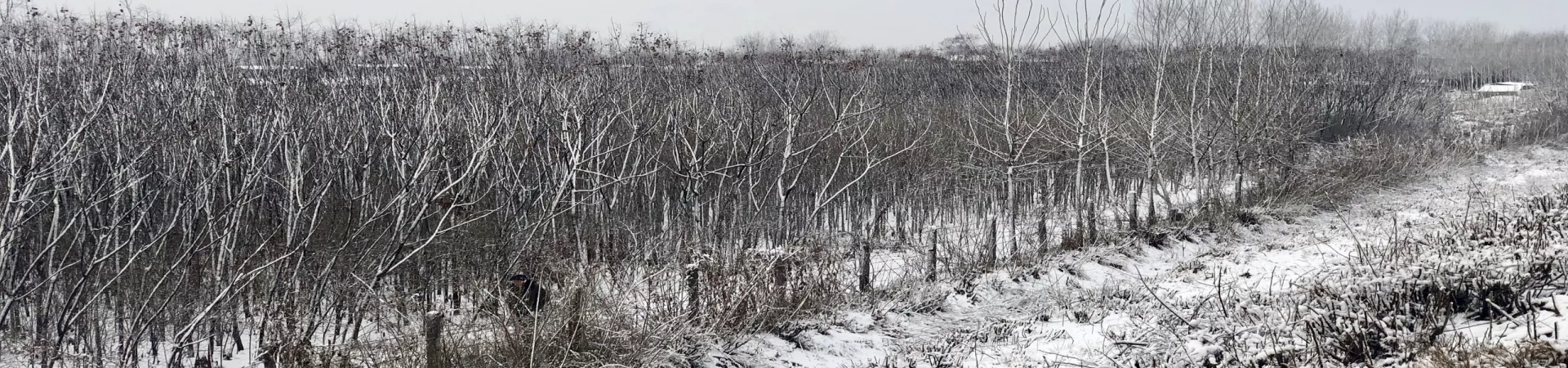
A Visitor's Guide to the Han-Wei Xudu Ancient City Ruins Park in Xuchang
Nestled in the heart of Henan Province, the city of Xuchang holds a profound place in China's historical narrative. It was here, during the tumultuous yet culturally fertile period following the Han Dynasty, that the city served as a pivotal capital. The Han-Wei Xudu Ancient City Ruins Park is not merely an archaeological site; it is a vast, open-air museum dedicated to preserving the memory of this significant era. For history enthusiasts and curious travelers alike, a visit to this park offers a tangible connection to the power struggles, literary achievements, and societal transformations that shaped early medieval China.
Understanding the Historical Context: Why Xuchang Matters
To fully appreciate the ruins, one must understand their historical backdrop. The park encompasses the remnants of the capital city during the late Eastern Han Dynasty and the subsequent state of Wei during the Three Kingdoms period (c. 196-220 AD and beyond).
- The Eastern Han's Final Act: As the Eastern Han Dynasty weakened, the warlord and chancellor Cao Cao effectively controlled the imperial court. In 196 AD, he moved Emperor Xian to Xuchang, making it the de facto political and military center of the realm. For over two decades, Xuchang was the heart of Chinese statecraft.
- Cradle of the Wei State: Following Cao Cao's death, his son Cao Pi formally ended the Han Dynasty and established the state of Wei in 220 AD, with Xuchang as one of its key capitals. This transition marks the official beginning of the Three Kingdoms period, immortalized in literature and folklore.
- A Literary and Strategic Hub: This era was not only about warfare. Xuchang under Cao Cao became a gathering place for scholars, poets, and strategists. The Jian'an style of literature, known for its emotional depth and realism, flourished here. Walking through the park, one treads the same ground that inspired some of China's earliest poetic masterpieces.
Exploring the Park: Layout and Key Features
The park is a thoughtful blend of preserved archaeological foundations, reconstructed structures, and informative displays designed to guide visitors through history.
2.1 The Southern Gate and Central Axis The main entrance often aligns with the historical southern approach to the palace complex. A broad central avenue leads north, evoking the grand processional way that would have led to the heart of the imperial city. This axis helps visitors visualize the city's symmetrical layout and hierarchical design, emphasizing the imperial authority that once radiated from its center.
2.2 Foundations of Power: Palace Complex Ruins The most evocative areas are the exposed foundations of palaces and administrative halls.
- Remnants of the Imperial Court: Carefully marked earthen platforms and stone bases outline where grand halls once stood. These are the foundations of buildings where emperors held court, ministers debated policy, and the fate of the nation was decided. Informational plaques detail the likely function and architecture of each structure.
- Archaeological Insight: The presentation of these ruins is deliberately non-reconstructive, allowing visitors to see the authentic archaeological layers while using imagination and provided diagrams to mentally rebuild the grandeur above.
2.3 Commemorative Monuments and Statuary Scattered throughout the park are statues and steles commemorating major historical figures.
- Cao Cao's Legacy: A prominent statue of Cao Cao often captures visitors' attention. Rather than portraying merely a ruthless general, it typically depicts him as a statesman and poet, reflecting his complex legacy as a military genius, shrewd politician, and patron of the arts.
- Other Key Figures: You may also find representations of other central personalities like Cao Pi, Emperor Xian, or renowned advisors, serving as focal points for understanding the interpersonal dynamics of the era.
2.4 The City Wall and Moat System Traces of the massive defensive earthworks that surrounded the ancient capital are still visible. Sections of the city wall ramparts, now covered in grass, and remnants of the protective moat highlight the city's strategic military importance. Walking along these perimeter lines offers a sense of the city's scale and the constant need for defense during a period of fragmentation.
Practical Information for Your Visit
3.1 Location and Access The Han-Wei Xudu Ancient City Ruins Park is located in the eastern part of modern Xuchang city, Henan Province. It is easily accessible by taxi or public bus from the city center. The site is well-signposted in both Chinese and English.
3.2 Opening Hours and Best Times to Visit The park operates on seasonal hours: * Summer (Approx. May - October): 08:00 - 19:00 * Winter (Approx. November - April): 08:00 - 18:00 It is open year-round, Monday through Sunday. Spring and autumn offer the most pleasant weather for exploring the extensive grounds. Early mornings or late afternoons provide softer light for photography and a quieter atmosphere.
3.3 On-Site Facilities and Amenities The park is equipped with visitor centers where you can obtain maps and introductory materials. Clean restrooms are available at key points. Paved pathways make most of the site accessible, though some areas near the wall ruins may be more natural. Allow at least 2-3 hours for a comprehensive visit.
Enhancing the Experience: Tips for Visitors
4.1 Preparing for Your Tour A basic familiarity with the Three Kingdoms period will immensely enrich your visit. Reading a brief historical summary or even episodes from the classic novel Romance of the Three Kingdoms beforehand will make the ruins come alive. Comfortable walking shoes are essential due to the park's size.
4.2 Suggested Route Start at the Southern Gate area to grasp the city's layout. Proceed along the central axis towards the main palace foundations, spending time interpreting the archaeological signs. Then, branch out to explore the commemorative statues and a section of the city walls. The park is designed for a logical, chronological flow.
4.3 Connecting with Broader Xuchang History Consider combining your visit with the Xuchang Museum, which houses a superb collection of artifacts excavated from the site, including pottery, tiles, coins, and more delicate items that contextualize daily life in the ancient capital. This one-two combination—the open-air context of the park and the curated artifacts of the museum—provides a complete historical picture.
The Han-Wei Xudu Ancient City Ruins Park stands as a solemn yet inspiring monument to a foundational chapter in China's story. It invites contemplation on the rise and fall of empires, the enduring impact of literary culture, and the physical traces history leaves upon the land. More than just old stones and earthworks, it is a place where the echoes of ambition, poetry, and power still seem to resonate for those who take the time to listen.