Xuchang Guandi Temple
Subtitle: A Journey into the Heart of Loyalty and Valor in Xuchang
1. Introduction: A Monument to a Legend Nestled within the historic city of Xuchang in China's Henan province stands a revered sanctuary of history, culture, and collective memory—the Xuchang Guandi Temple. Recognized as one of the nation's eight most significant temples dedicated to Lord Guan (Guan Yu), this site transcends its role as a mere religious structure. It serves as a profound testament to a cultural icon whose virtues have shaped Chinese moral and social ideals for centuries. Its importance is further underscored by its designation in May 2013 as a Major Historical and Cultural Site Protected at the National Level by China's State Council, a status that affirms its invaluable contribution to the nation's heritage. For any visitor, the temple offers not just an architectural tour but an immersive journey into the enduring legacy of the Three Kingdoms period and the deified hero at its center.
2. Historical Origins and Cultural Significance 2.1. The Foundation: Commemorating a Pivotal Moment The temple's genesis is rooted in a specific and poignant episode from Chinese history and folklore. It was constructed to commemorate the legendary event at Baling Bridge, where the revered general Guan Yu, having rendered service to the warlord Cao Cao, famously refused permanent allegiance. According to the tale, after defeating his foes, Cao Cao sought to detain Guan Yu with honors and gifts. At Baling Bridge, Cao Cao presented him with a ceremonial robe. Demonstrating both respect and unwavering loyalty to his sworn brother Liu Bei, Guan Yu used the tip of his sword to lift the robe from a distance, accepting the gift without dismounting or compromising his dignity, before continuing his arduous journey. This act became the ultimate symbol of righteous conduct, blending respect (yi) with unwavering loyalty (zhong).
2.2. A Community's Tribute Unlike many imperial constructions, the Xuchang Guandi Temple was born from widespread communal reverence. Erected in the 28th year of the reign of Emperor Kangxi of the Qing Dynasty (1689 AD), its construction was funded through a collective effort. Contributions came from local mourners, residents who donated both money and land, supplemented by financial support from the regional government. This grassroots origin highlights the deep-seated public veneration for Guan Yu, whose transformation from a historical general into a cultural and religious symbol was by then complete.
2.3. A Unique Theological and Cultural Synthesis Perhaps the most distinctive and thought-provoking feature within the temple is found in its main hall. Here, Guan Yu is enshrined not in isolation, but sharing the sacred space with Cao Cao, the very figure from whom he famously departed. This rare arrangement is a unique cultural phenomenon rarely seen in other Guan Yu temples. It reflects a nuanced local historical perspective that acknowledges the complex relationship between the two figures. While Guan Yu is celebrated for his loyalty, the simultaneous veneration of Cao Cao in Xuchang—a city that served as his power base—suggests a recognition of his role as a patron and a formidable ruler of the era. This co-habitation within a single hall invites contemplation on the multifaceted nature of history, moving beyond simplistic narratives of good versus evil to present a more integrated historical memory.
3. Architectural Layout and Artistic Heritage 3.1. A Classical Symmetrical Complex The extant ancient architectural complex is an exemplary model of traditional Chinese temple design, covering an area of 11,026 square meters. Its layout is meticulously planned along a central north-south axis, embodying principles of balance, hierarchy, and harmony. The complex forms a sophisticated arrangement of three sequential courtyards, encompassing "nine halls and one pavilion."
3.2. Journey Along the Central Axis A visitor's progression follows this central axis, moving through a series of structures that gradually build in solemnity: * Shanmen (Mountain Gate): The imposing entrance gate that marks the transition from the secular world into the sacred precinct. * Yimen (Ceremonial Gate): A second gate historically used for formal ceremonies, further emphasizing the temple's importance. * Juanpeng (Curved-Roof Hall): A structure often used for gatherings or as a forehall, typically featuring a gracefully curved roof without a main ridge. * Dadian (Main Hall): The architectural and spiritual core of the temple. This is the hall that houses the remarkable statues of both Guan Yu and Cao Cao. Its design and central position underscore its supreme significance. * Chunqiu Ge (Spring and Autumn Pavilion): The culminating structure on the axis, often a multi-storied pavilion. Its name references the "Spring and Autumn Annals," a historical text that Guan Yu was said to reverently study, symbolizing his embodiment of the loyalty and righteousness espoused within it.
3.3. Supporting Structures and Artistic Treasures Flanking the central axis on both sides are complementary structures that complete the symmetrical layout and functional space. These include the Bell Tower and Drum Tower, traditionally used to mark time and ceremonies; East and West Side Halls; and East and West Wing Rooms. Together, they create an enclosed, introspective environment conducive to worship and reflection. The entire complex is characterized by a dignified and elegant aesthetic, with careful attention to proportion, wooden bracketing systems (dougong), and ornamental details that reflect the architectural styles of the Qing dynasty.
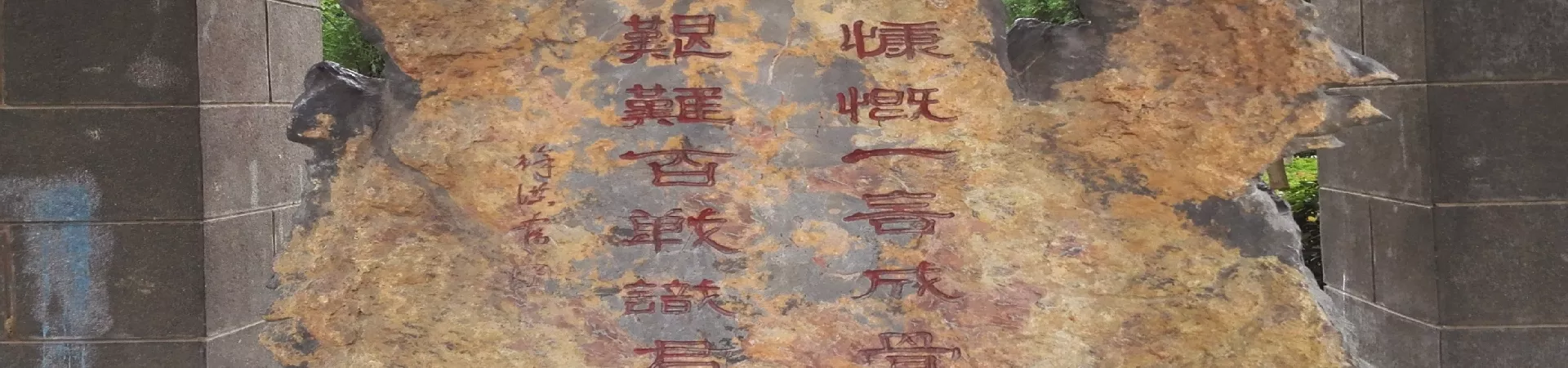
The temple grounds also serve as an open-air museum of epigraphy, preserving over 50 stone steles and tablets from the Ming and Qing dynasties. These inscribed stones are not merely decorative; they contain commemorative texts, poems, and historical records that provide invaluable primary source material for scholars researching the evolution of Three Kingdoms culture, local history, and the cult of Guan Yu.
4. The Enduring Legacy: Guan Yu as a Cultural Ideal The artifacts, architecture, and very atmosphere of the Xuchang Guandi Temple collectively narrate a story of enduring admiration. They showcase the profound reverence of later generations for the spirit of Guan Yu, crystallized into the four cardinal virtues: Loyalty (Zhong), Righteousness (Yi), Benevolence (Ren), and Courage (Yong). These principles transcended their military origins to become guiding ethics in business, community, and personal life. For the modern visitor, the temple is more than a historical site. It is a space where one can trace the physical footprints of a legendary past, understand the philosophical ideals that have shaped Chinese society, and witness the unique local interpretation of a national narrative through its unparalleled architectural harmony and the provocative enshrinement of two historical giants side by side.