Wu Yue Ancient Road
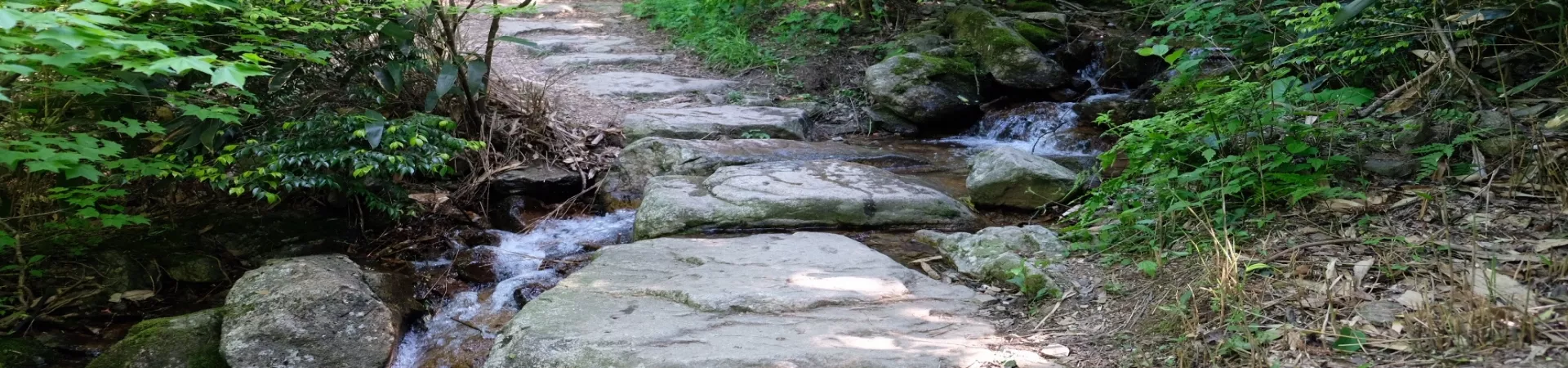
Subtitle: Tracing Ancient Steps: A Journey Through the Wu-Yue Ancient Trail
Introduction: A Path Through Time Nestled within the verdant, mist-shrouded landscapes that straddle the modern border of Anhui and Zhejiang provinces lies a ribbon of history—the Wu-Yue Ancient Trail. Stretching approximately 35 kilometers, this stone-paved path is far more than a scenic hiking route; it is a silent witness to a pivotal era in Chinese history. Originally forged as the primary conduit between two powerful rival states during the tumultuous Five Dynasties and Ten Kingdoms period (907-979 CE), the trail connected the Kingdom of Wuyue, with its capital in modern-day Lin'an, Hangzhou, and the Kingdom of Southern Tang, administered from Ningguo, Xuancheng. Today, it offers visitors a profound opportunity to walk in the footsteps of ancient soldiers, merchants, and diplomats, experiencing a unique blend of natural splendor and historical resonance that is accessible year-round, 24 hours a day.
Section 1: The Historical Tapestry of the Trail 1.1 An Arterial Route of Rival Kingdoms The Wu-Yue Ancient Trail's significance is rooted in its strategic geopolitical role. During the 10th century, China was fragmented. The trail served as a vital logistical and communication artery between the culturally sophisticated Southern Tang and the economically robust Wuyue kingdom. It facilitated not only military maneuvers and the transport of goods but also the subtle exchanges of culture and ideas. Walking its length, one traverses the very boundary that once delineated these two distinct spheres of influence, making every step a passage through a historical frontier.
1.2 Architectural Endurance and Design The trail's construction is a testament to ancient engineering. Built to withstand the region's humid climate and rugged terrain, the path is meticulously laid with local stone. Certain sections feature remarkably preserved steps, drainage channels, and retaining walls. These elements reveal the builders' deep understanding of their environment, creating a durable route that has survived centuries of weathering and neglect before its restoration and recognition as a cultural heritage site. The craftsmanship speaks to a time when such roads were crucial infrastructure, vital to state security and prosperity.
Section 2: The Hiking Experience: From Ningguo to Zhejiang 2.1 Trailheads and Key Segments The classic traverse of the Wu-Yue Ancient Trail typically begins in Ningguo, Xuancheng (Anhui), and concludes in Lin'an, Zhejiang, though the reverse is equally popular. The trail is often divided into distinct segments, each with its own character. The initial ascent from the Anhui side is demanding but rewarding, leading hikers through dense bamboo forests and past cascading streams. The middle section, often crossing high-altitude passes, offers sweeping vistas of rolling hills and distant peaks. The final descent into Zhejiang presents a gentler landscape of tea plantations and traditional villages.
2.2 Natural Splendor and Biodiversity The trail acts as a green corridor through the Tianmu Mountain region. Hikers are treated to a constantly changing tableau of flora: from towering stands of bamboo and ancient, gnarled pines to, in springtime, spectacular blooms of azaleas and wildflowers. The area is rich in biodiversity, with the sounds of birdsong and cicadas providing a constant soundtrack. The microclimates shift noticeably along the route, with cool, damp air in the forested valleys giving way to clearer, crisper atmospheres on the ridgelines, where clouds often drift at eye level.
Section 3: Practical Information for the Modern Explorer 3.1 Accessibility and Timing The Wu-Yue Ancient Trail is open to the public 24 hours a day, every day of the year. This unrestricted access allows for flexibility but demands careful personal planning. The most recommended seasons for hiking are spring (April-May) and autumn (September-October), when temperatures are mild, rainfall is less frequent, and the foliage is at its most vibrant. Summer can be hot, humid, and prone to sudden thunderstorms, while winter may bring frost and occasional snow to higher sections, requiring appropriate gear and caution.
3.2 Preparation and Navigation While the main route is well-trodden and marked, preparation is essential. Hikers should allocate 2-3 days to complete the full traverse at a comfortable pace, allowing time for photography and rest. Sturdy hiking boots are mandatory due to the uneven stone path. Essential supplies include ample water, high-energy snacks, weather-appropriate clothing (including rain gear), a basic first-aid kit, and a reliable map or GPS device. While there are simple guesthouses and homestays in villages near the trailheads, options along the central remote sections are limited, so planning overnight stops is crucial.
Section 4: Cultural Echoes and Etiquette 4.1 Legacy in Local Lore Beyond its stone path, the trail lives on in local culture. Villages at either end of the route maintain traditions that hint at the ancient exchange. Stories of legendary figures, skirmishes, and historic journeys are part of local folklore. Visitors may notice subtle differences in dialect, architectural styles, and culinary preferences between the Anhui and Zhejiang trailheads—a living legacy of the trail's role as a cultural bridge between two distinct regions.
4.2 Responsible Trekking Practices As a heritage site, the trail demands respect. The principle of "Leave No Trace" is paramount: all waste must be carried out. Hikers should avoid damaging vegetation, disturbing wildlife, or removing any historical artifacts or stones from the path itself. Preserving the trail's pristine condition and tranquil atmosphere is a shared responsibility. Supporting local businesses by using village guesthouses and purchasing supplies locally is an excellent way to contribute positively to the communities that safeguard this historical treasure.
Information last updated: February 2, 2023. Credit and thanks to contributor Sanliudu Zhang for editorial input.