Tai Chi Cave
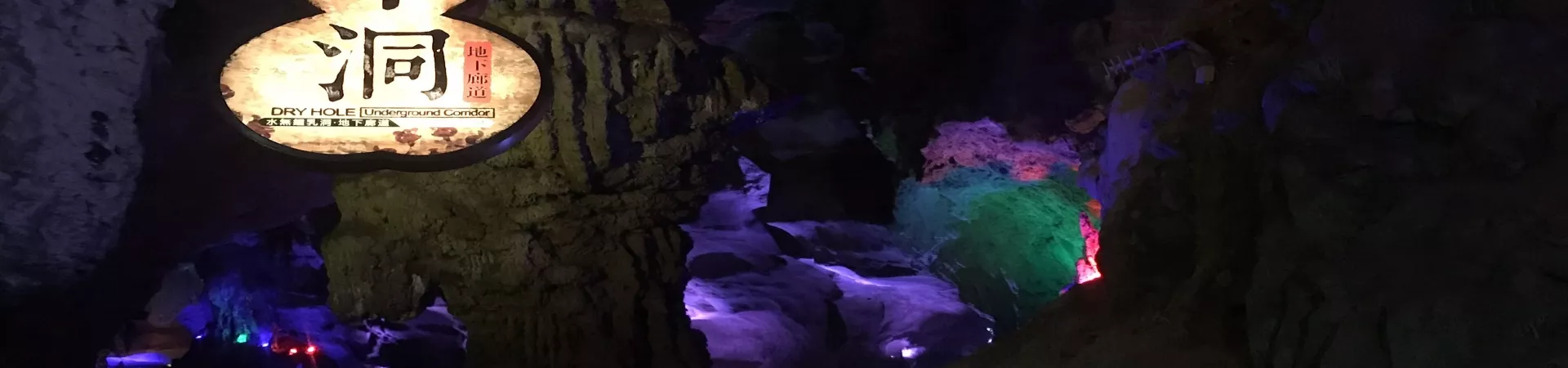
Subtitle: A Journey Through Time and Stone: Unveiling the Mysteries of Xuancheng's Tai Chi Cave
Introduction: A Realm of Natural Wonder
Nestled within the verdant landscapes of Xuancheng City in Anhui Province, China, lies a subterranean masterpiece that has captivated visitors for centuries—the Tai Chi Cave (太极洞). Far more than a mere geological formation, this vast karst cave system is a profound testament to the slow, artistic hand of nature, intertwined with rich cultural and philosophical significance. Recognized as one of China's first AAAA-level tourist attractions and a National Key Scenic Spot, Tai Chi Cave has evolved from a spectacular natural cave into the nation's premier Tai Chi Culture Theme Park. Its name, steeped in Taoist legend, is said to derive from the tale of Laozi, the supreme Taoist deity, who was so enchanted during his travels here that he lingered indefinitely. The cave's very structure is seen as a physical manifestation of the Tai Chi (Yin-Yang) principle, naturally dividing into distinct dry and water sections, offering an immersive experience that blends awe-inspiring natural beauty with the depth of traditional Chinese philosophy.
The Grand Scale and Historical Imprint
An Architectural Marvel of Nature The sheer scale of Tai Chi Cave is its first declaration of grandeur. Encompassing a staggering total area of 150,000 square meters, the cave stretches for miles underground. Its layout is a complex, labyrinthine network where colossal chambers intertwine with smaller grottoes, all connected in an unpredictable maze. Visitors navigate through passages that constantly shift in character—from narrow confines to expansive halls, from high ceilings to low corridors. The environment itself alternates, offering contrasting sensations of warmth and coolness, dry land and water surfaces, creating a truly mesmerizing and unpredictable journey.
A Gateway Through Time The historical human connection to the cave is palpable at its entrance. Above the main doorway, the three characters for "Tai Chi Cave" (太极洞) are carved in stone, bearing the calligraphy of Wu Tongchun, a high-ranking official from the Ministry of Justice during the Ming Dynasty's Wanli era. This enduring inscription, still clearly visible today, serves as a bridge linking the natural wonder to centuries of Chinese history. The adventure begins in an immense entrance hall, covering approximately 1,600 square meters with a height ranging from 5 to 10 meters, historically capable of accommodating a thousand people—a fittingly grand prelude to the wonders within.
A Gallery of Stone: The Dry Caves' Sculptures
The Symphony of Stalactites and Stalagmites Venturing deeper into the dry sections of the cave, visitors are greeted by a breathtaking gallery of speleothems. The wealth of stalactites, stalagmites, stone curtains, and flowstones is unparalleled, each formation a unique sculpture shaped by millennia of dripping mineral-rich water. Their forms ignite the imagination: some resemble delicate lotuses, tender bamboo shoots, towering pillars, blooming flowers, or elegant draperies; others take the shapes of mythical beasts or serene human figures; while further formations mimic everyday objects and grand phenomena like bells, drums, chessboards, tables, soaring phoenixes, or lurking dragons. The artistry is so exquisite, so seemingly deliberate, that it is universally described as the work of supernatural craftsmanship—a true "ghostly axe and divine skill."
The Division of Two Realms A pivotal point in the cave is marked by another inscription from Wu Tongchun, which reads "二仪攸分" (The Two Forms Are Divided). This philosophical declaration perfectly mirrors the cave's physical layout at this spot, where the path splits into Eastern and Western branches. The Eastern Cave, in particular, is noted for its steep, rugged, and mysteriously intricate contours, where deposits of milky-white calcite create a surreal, otherworldly landscape. After traversing about a hundred meters of these dramatic dry formations, the environment undergoes a magical transformation, heralding the beginning of the cave's most celebrated section.
The Enchanting Water Cave: An Underground Fantasy
Navigating the Subterranean River The transition from rock to water marks the entrance to the legendary Water Cave. This is where the Tai Chi Cave experience elevates from remarkable to sublime. Here, the silent stone gives way to the gentle sounds of flowing water. The scenery evolves into a dreamlike panorama of underground peaks rising from hidden valleys, cascading stone waterfalls, tranquil pools resembling celestial jade terraces, and a shimmering "Underground Milky Way." A particular section, where light plays upon the water and walls, is poetically named the "Jade Belt with Golden Light." The watercourse extends for over 2 kilometers, with a navigable section allowing for a serene 700-meter boat ride. Gliding silently on the cool, clear water beneath the ancient rock vaults, surrounded by reflections of fantastical stone formations, is an experience of profound tranquility and wonder, often described as the highlight of the visit.
Cultural Resonance and Artistic Acclaim The unique synthesis of natural splendor and philosophical concept is what distinguishes Tai Chi Cave from other karst caves in China. This harmonious blend did not escape the notice of the late Mr. Zhao Puchu, a revered former chairman of the Buddhist Association of China. After his visit, he was moved to pen a verse that has since become synonymous with the cave's beauty: "A true fairyland, between heaven and earth. / Boating in the cave is like sailing through the distant Silver River, / The towering strange rocks rival those of Huangshan. / The pinnacle of wonder, unparalleled in the mortal world." His words perfectly capture the ethereal and majestic quality that defines the Tai Chi Cave experience.
Practical Visitor Information
Planning Your Visit * Ticket Information: The general admission ticket is priced at 60 RMB. Please note that all advertised free ticket policies apply only to the main scenic area entrance fee. * Opening Hours: The cave is open daily from 8:00 AM to 4:30 PM, with last entry at 4:30 PM. Some seasonal variations may apply, with hours occasionally shifting to 8:30 AM to 4:30 PM, with last entry at 4:00 PM. It is advisable to confirm the precise schedule before your visit. * Contact: For inquiries, you may contact the management at 0563-6850446 or 0563-6850200.
Essential Tips for a Comfortable Tour 1. Climate Control: The cave maintains a constant natural temperature of approximately 18°C (64°F) year-round, making it pleasantly cool in summer and relatively mild in winter. A light jacket or long sleeves are recommended for comfort during the tour. 2. Footwear and Safety: The cave paths and steps can become slippery, especially after rainy weather or due to natural moisture. It is crucial to wear sturdy, non-slip shoes and to proceed with caution while walking, holding onto railings where provided. 3. The Journey: Be prepared for a walk that involves various elevations and some steps. The boat ride in the Water Cave offers a peaceful respite. Allocate sufficient time to fully appreciate the different sections without rush.