The "Sichuan Tibet Line" in southern Anhui
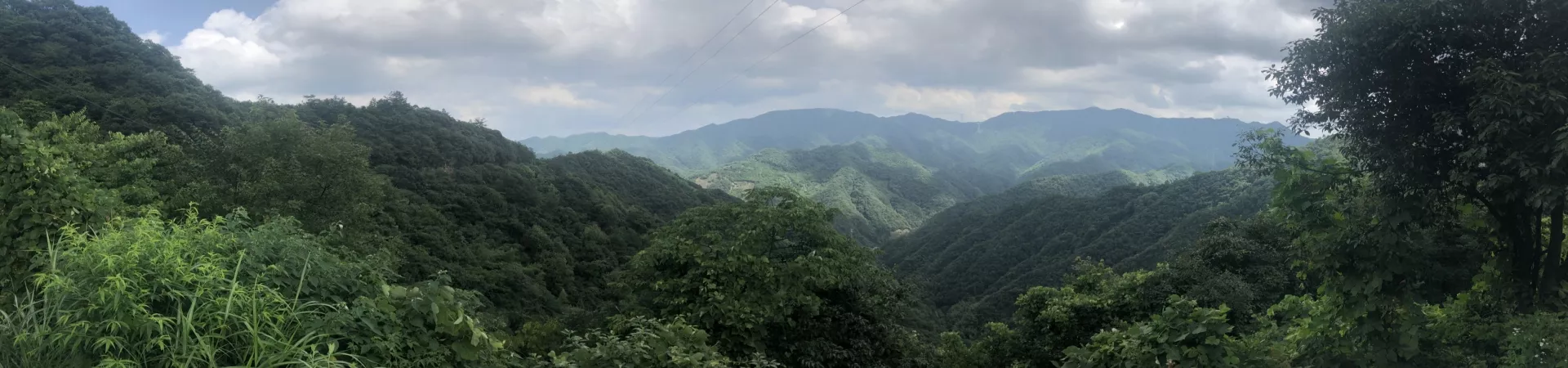
Subtitle: A Scenic Adventure Through Anhui's Hidden Highlands
1. Introduction: The Allure of the "Anhui Tibet Line" Nestled in the heart of southern Anhui Province, far from the well-trodden paths of Huangshan's peaks, lies a driving route of breathtaking beauty and thrilling adventure: the Southern Anhui "Tibet Line." This 120-kilometer journey, weaving through the majestic landscapes of Xuancheng's Jingxian and Ningguo regions, has earned its evocative nickname not for high altitude, but for its serpentine mountain roads, pristine ecological environment, and a sense of remote discovery that rivals the famed Sichuan-Tibet Highway. It is a meticulously curated experience for self-drive enthusiasts, photographers, and nature lovers, offering a captivating blend of dramatic geology, serene forestry, ancient cultural pockets, and the simple pleasures of rural life.
2. The Journey: A Stage-by-Stage Exploration 2.1. The Eastern Gateway: Chuling to Taohuatan The adventure typically commences in Chuling Town, Jingxian County. The road quickly introduces travelers to the route's character, climbing into verdant hills. The first major highlight is Taohuatan (Peach Blossom Deep Pool). More than just a scenic spot, it is a poetic expanse where emerald-green waters, formed by a mountain reservoir, are framed by dense forests and peculiar rock formations. It sets a tranquil yet awe-inspiring tone for the journey ahead.
2.2. The Thrilling Core: The Panjiang Sky Road Departing from Taohuatan, the route enters its most exhilarating segment. This is the legendary Panjiang Sky Road. Carved precariously along the steep cliffsides, this section features over 350 curves and multiple hairpin bends, with the road seemingly suspended above deep valleys. Driving here demands focus and rewards with unparalleled panoramic vistas. The sense of achievement upon navigating this "72-Turn" challenge is immense, with the ever-changing perspectives of layered mountain ranges creating a photographer's paradise.
2.3. A Brush with History: Suhong Village After the adrenaline of Panjiang, the route descends towards a touch of timeless heritage at Suhong Village. This ancient hamlet, accessible via a narrow lane, feels like a step back in centuries. Its well-preserved Hui-style architecture—white walls, black tiles, horse-head gables—and cobblestone paths tell stories of a bygone era. The surrounding terraced fields, which glow golden in harvest season or reflect the sky when flooded, add to the village's picturesque and peaceful charm.
2.4. The Western Finale: Ningguo's Reservoir Vistas As the journey progresses into Ningguo City territory, the landscape transforms once more. The route skirts along the shores of large, serene reservoirs, such as those in the Fangtang area. The contrast between the calm, expansive blue waters and the surrounding forested mountains is strikingly beautiful. This segment offers a more relaxed driving experience, perfect for leisurely stops to enjoy the water views and the fresh, pine-scented air.
3. Beyond the Road: Experiences and Local Culture 3.1. Culinary Delights and Rural Stays The "Tibet Line" is also a journey for the senses. Roadside villages and farmhouses offer authentic Anhui rural cuisine. Must-try dishes include Preserved Pork with Bamboo Shoots, Stinky Mandarin Fish (a fermented delicacy with a unique aroma and flavor), and various wild vegetable specialties. Accommodation ranges from comfortable boutique inns to genuine farmstay guesthouses (nongjiale), where visitors can experience local hospitality and wake up to misty mountain views.
3.2. Seasonal Splendor The route's character changes dramatically with the seasons. Spring brings a burst of wildflowers, blooming azaleas covering the slopes, and vibrant green tea terraces. Summer offers a cool, emerald-green escape from the lowland heat. Autumn is arguably the most spectacular, as the mixed forests erupt in a fiery palette of red, orange, and yellow, particularly stunning around Suhong's terraces. Even Winter has its magic, with occasional snow dusting the peaks and creating a serene, monochromatic landscape.
4. Practical Travel Essentials 4.1. Optimal Travel Times The most recommended periods for the journey are April to June and September to November. These months avoid the peak summer heat and potential winter ice, while offering comfortable temperatures and optimal conditions for photography, especially during the autumn foliage season.
4.2. Vehicle and Navigation Advice A well-maintained vehicle with good handling and braking systems is essential. While the main route is now fully paved, sections like the Panjiang Sky Road are narrow and winding. Drivers should exercise extreme caution, use low gears on descents, and honk on blind corners. Offline maps are crucial due to sporadic mobile signals in the deep mountains. A two-day, one-night itinerary is ideal to fully appreciate the route without rush.
4.3. Responsible Travel Ethos As a destination growing in popularity, preserving its pristine environment is paramount. Travelers are urged to carry out all trash, respect local customs and private property in villages, drive cautiously to protect wildlife, and support the local economy by purchasing handicrafts or agricultural products directly from residents. This ensures the Southern Anhui "Tibet Line" remains a magnificent and sustainable destination for future explorers.