Jiapeng Township
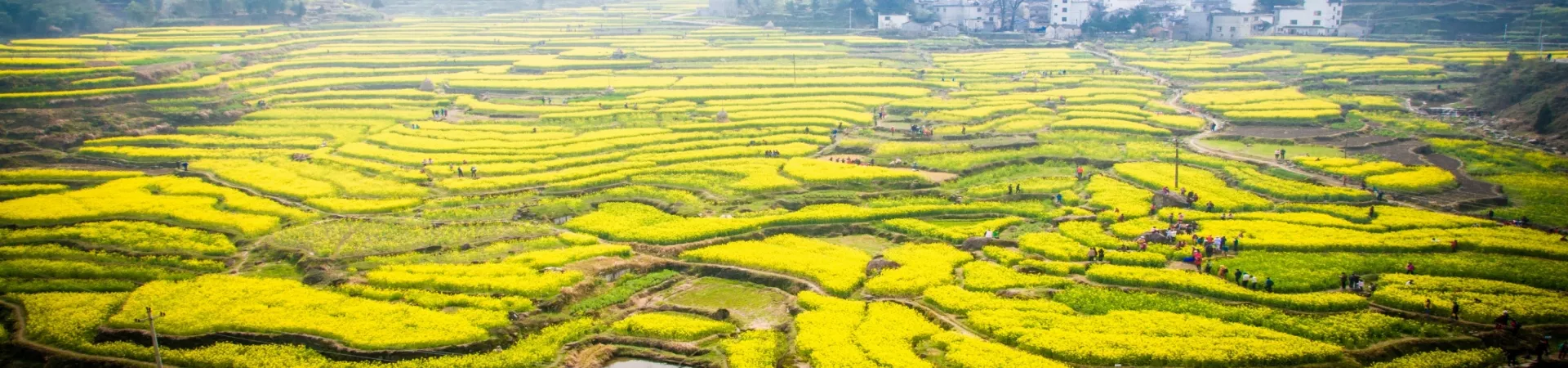
Subtitle: A Journey into the Heart of Anhui's Hidden Gem: Scenery, Culture, and Timeless Charm
I. Introduction: The Allure of a Hidden Landscape
Nestled within the majestic embrace of the Huangshan Mountain range in Xuancheng, Anhui Province, lies Jiapeng Township, a destination that remains one of China's best-kept secrets. Far from the bustling crowds of mainstream tourist circuits, Jiapeng offers an authentic and profound experience of rural China, where dramatic natural beauty intertwines seamlessly with centuries-old Huizhou culture. It is a place where time appears to slow down, inviting visitors to immerse themselves in a world of terraced fields that paint the mountainsides with seasonal palettes, ancient villages built of white-walled and black-tiled houses, and a serene atmosphere that feels untouched by modernity. This is not merely a scenic spot; it is a living canvas and a cultural sanctuary, promising a journey of discovery for the discerning traveler seeking tranquility, photographic splendor, and a deep connection with China's agrarian and architectural heritage.
II. The Natural Canvas: A Symphony of Seasons and Scenery
The landscape of Jiapeng is its most immediate and breathtaking language, speaking most eloquently through the changing seasons.
A. The Iconic Terraced Fields The soul of Jiapeng's scenery lies in its vast, sculpted terraced fields. These are not merely agricultural plots but works of art carved into the contours of the hills over generations.
- Spring's Floral Spectacle: From late March to early April, Jiapeng transforms into a legendary sea of yellow. The rapeseed flowers bloom in unison, covering the terraces in a vibrant, golden blanket that contrasts stunningly with the dark green pine forests, misty blue mountains, and the white-and-black villages nestled within. This period marks the famous Jiapeng Rapeseed Flower Festival, attracting photographers and nature lovers from across the country.
- The Verdant Summer Palette: As spring fades, the terraces turn into cascading layers of lush, emerald green rice paddies and other crops. The greenery is deep and vibrant, offering a scene of prosperous vitality under the summer sun, often shrouded in ethereal mountain mists.
- Autumn's Golden Harvest: Come autumn, the landscape shifts to a warm, golden-brown hue as the crops mature. The terraces take on a textured, earthy appearance, and the clear, crisp air provides perfect visibility for panoramic views of the harvest season.
- Winter's Serene Beauty: In winter, a dusting of snow can transform the terraces into a monochromatic masterpiece of black, white, and grey, creating a scene of stark, silent, and poetic beauty.
B. Meichuan Ridge: The Panoramic Vantage Point To fully appreciate the grandeur of the terraces and the village layout, a hike or drive to Meichuan Ridge is essential. This mountain ridge offers a commanding, bird's-eye view of the entire Jiapeng basin. From here, visitors can witness the magnificent scale of the terraces as they sweep across the valleys and the harmonious arrangement of ancient villages like Shangcun and Xiacun. It is the premier location for sunrise and sunset photography, where the interplay of light and shadow over the landscape creates truly magical moments.
III. Cultural Heritage: Walking Through Living History
Beyond its natural scenery, Jiapeng is a custodian of the profound Huizhou culture, evident in its well-preserved ancient villages and local traditions.
A. The Ancient Villages: Shangcun and Beyond The villages in Jiapeng, particularly Shangcun Village, are exemplary models of Huizhou architecture and Feng Shui philosophy.
- Architectural Harmony: Strolling through the flagstone streets of Shangcun feels like stepping back in time. The architecture is characterized by elegant white walls topped with black-tiled "horse-head" gables, intricately carved wooden windows and door frames, and quiet courtyards. The overall aesthetic is one of understated elegance and harmony with nature.
- Historical Significance: Shangcun Village has a history spanning over 800 years. It is laid out in the shape of a fish, symbolizing prosperity and auspiciousness according to ancient Chinese beliefs. Key historical sites include the Xu's Ancestral Hall, a Ming Dynasty structure showcasing exquisite wood and stone carvings that speak of the clan's prestige, and the Yong'an Ancient Bridge, a simple yet graceful stone bridge that has witnessed the village's daily life for centuries.
B. Local Life and Intangible Culture The cultural experience in Jiapeng is enriched by the rhythms of local life and traditional customs.
- Agrarian Rhythms: The daily activities of farmers tending to the terraces, drying crops in the autumn sun, or carrying baskets along mountain paths are integral to the scene. Visitors may have the chance to observe or even participate in seasonal farming activities.
- Festivals and Crafts: While quieter than major cities, local festivals and markets offer glimpses into traditional customs. The preservation of handicrafts, local dialect, and culinary traditions adds layers of authenticity to the visit.
IV. Experiential Travel: Engaging with Jiapeng
A truly rewarding trip to Jiapeng involves active engagement with its environment and culture.
A. Hiking and Photography Trails Jiapeng is a paradise for hiking enthusiasts and photographers. Numerous trails wind through the terraces, connecting villages and leading to vantage points like Meichuan Ridge. These range from gentle walks through Shangcun village to more strenuous hikes up the surrounding peaks. Each trail offers constantly shifting perspectives of the landscape, making every turn a potential photographic opportunity.
B. Culinary Discoveries The local cuisine is a humble yet flavorful aspect of the Jiapeng experience. Influenced by Huizong culinary traditions, it features fresh, locally sourced ingredients. Dishes to try include stinky mandarin fish (a fermented delicacy with a strong aroma but delicious taste), hairy tofu, bamboo shoots, and various cured meats. Meals are often simple, hearty, and perfectly suited to the mountain climate.
C. Practical Considerations for Visitors * Accommodation: Options primarily consist of local guesthouses ("nongjiale") within the ancient villages. These offer basic but clean lodging and home-cooked meals, providing an authentic stay with local families. * Best Time to Visit: The landscape offers distinct beauty year-round. The peak tourist season is spring (late March to April) for the rapeseed flowers. Autumn (September to October) is ideal for pleasant weather and golden harvest views. Weekdays are significantly less crowded than weekends. * Accessibility: Jiapeng is relatively remote. The most common access is via a 2-3 hour drive from Huangshan City (Tunxi) or the Huangshan Mountain scenic area. Self-driving or hiring a private car offers the most flexibility for exploring the surrounding countryside.