Huihang Road
Subtitle: A Journey Through Time: Hiking the Historic Huizhou-Hangzhou Ancient Road
I. Introduction: The "Third Famous Ancient Road" of China
Nestled amidst the verdant, rolling landscapes of southern Anhui province, the Huizhou-Hangzhou Ancient Road, often simply called the Huihang Ancient Road, stands as a monumental testament to China's rich historical tapestry and breathtaking natural beauty. Spanning approximately 25 kilometers, this stone-paved pathway once served as a vital commercial and cultural artery, intricately linking the prosperous merchant communities of Huizhou (modern-day Huangshan region) with the bustling metropolis of Hangzhou, the southern terminus of the Grand Canal. Its historical significance has earned it the distinguished title of China's "Third Famous Ancient Road," following the Silk Road and the Ancient Tea Horse Road. Today, having shed its primary role as a trade route, it has been masterfully reborn as a premier destination for outdoor enthusiasts, offering one of the most accessible and rewarding introductory long-distance hiking experiences in the country. It is a path where every step traverses centuries, connecting modern adventurers with the echoes of ancient porters, scholars, and merchants.
II. A Tapestry of Natural Splendor and Cultural Depth
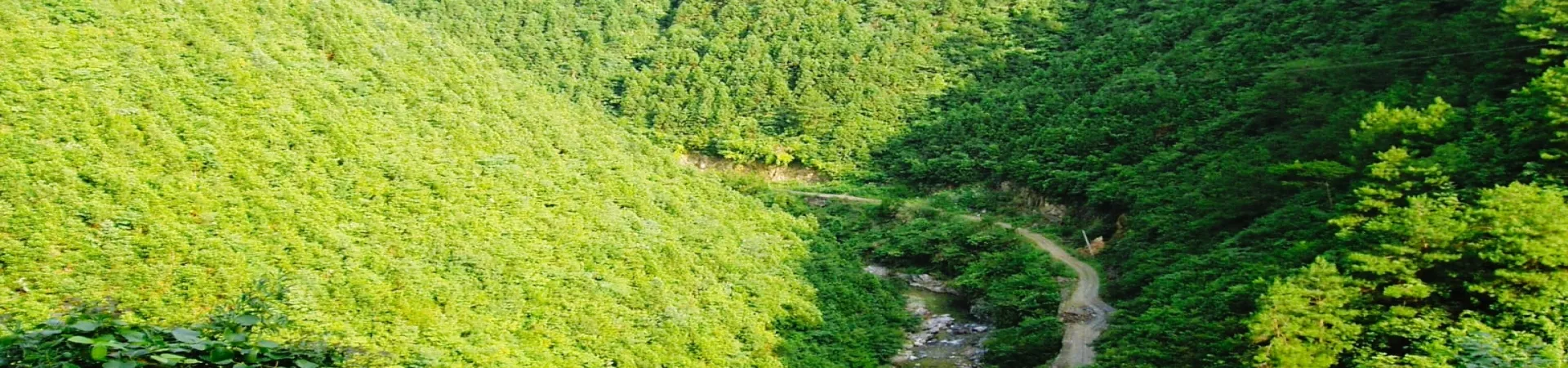
A. The Landscape: A Symphony for the Senses The Huihang Ancient Road is far more than a historical relic; it is a vibrant, living corridor celebrated for possessing some of the most spectacular and spiritually resonant scenery in eastern China. The journey is a feast for the senses. The air is notably crisp and fragrant, unpolluted and invigorating. The trail masterfully weaves through a diverse terrain that encapsulates quintessential Chinese pastoral beauty—often described by locals with the poetic characters 青 (qīng, lush greenery), 幽 (yōu, serene seclusion), 灵 (líng, ethereal spirituality), 奇 (qí, wondrous uniqueness), and 野 (yě, untamed wilderness). Hikers are treated to a constantly evolving panorama: dense bamboo forests whispering in the breeze, rugged granite peaks piercing the clouds, serene mountain streams cascading over smooth stones, and vast expanses of wild vegetation.
B. Key Scenic Attractions Along the Route The main trail acts as a spine, providing access to several remarkable standalone attractions that enhance its allure: * Zhangshan Grand Canyon: A dramatic geological wonder located near the trail, featuring sheer cliff faces, deep pools, and roaring waterfalls, showcasing the powerful erosive forces that have shaped this land. * Hushi Ancestral Hall (胡氏宗祠): A magnificent example of Huizhou-style architecture, characterized by elegant white walls, dark gray tiles, and intricate wood carvings. This hall offers a profound glimpse into the clan culture, Confucian traditions, and the immense wealth of the historic Huizhou merchants. * Qingliang Peak: One of the highest points in the region, challenging more experienced hikers with a detour. The summit rewards with breathtaking, panoramic views of endless mountain ranges shrouded in mist—a truly awe-inspiring sight. * Jiangnan First Pass (江南第一关): This formidable stone gate and fortified pass, built strategically at a narrow point in the valley, historically controlled access along the route. Standing here, one can easily imagine the caravans of goods and travelers that were once inspected and granted passage through this crucial checkpoint.
III. Practical Guide for the Modern Traveler
A. Optimal Time for Visit While the trail is accessible for much of the year, the undisputed best season for hiking is late March through April. This period transforms the mountainsides into a painter's palette of vibrant colors as countless wild azaleas (rhododendrons) burst into magnificent bloom. The contrast of the vivid pink and red flowers against the deep greens of the pines and the stark, light-gray granite is a visual spectacle not to be missed. Spring also offers mild, comfortable temperatures ideal for prolonged physical activity.
B. Trail Logistics and Planning * Hiking Duration: A through-hike of the entire classic 25-kilometer section typically requires 6 to 8 hours for a fit hiker, allowing time for photography and short breaks. Many visitors choose to segment the hike over two days, staying in simple guesthouses in villages along the way to fully absorb the atmosphere. * Ticket Information: Entry to the maintained sections of the Huihang Ancient Road requires a ticket. As of recent information, the standard admission fee is approximately 62 RMB. It is crucial to note that pricing and policy are subject to change by the managing authority. * Operating Hours: The official operating hours for ticketed entry points are generally from 8:00 AM to 4:30 PM daily, with last entry permitted until 4:00 PM. These hours can vary seasonally or due to weather conditions.
IV. Essential Tips for Your Journey
Important Disclaimer: All practical information regarding ticket prices, exact operating hours, and specific trail access points should be verified immediately before your visit. Conditions can change, and it is highly recommended to check for the latest updates from official local tourism sources or reputable travel platforms. The contact number 0563-8155795 may connect you with local tourist information, but availability is not guaranteed.
The Huihang Ancient Road perfectly marries physical challenge with cultural immersion and natural appreciation. It is an "ultimate destination for outdoor sports and leisure," catering not only to the adventurous spirit of the trekker but also to the soul of the traveler seeking tranquility and a deep, tangible connection with China's historical landscape. Prepare to walk in the footsteps of history, surrounded by a beauty that has inspired poets and painters for generations.