Chaji Ancient Village
Subtitle: A Journey Through Time in Anhui's Preserved Hui-Style Village
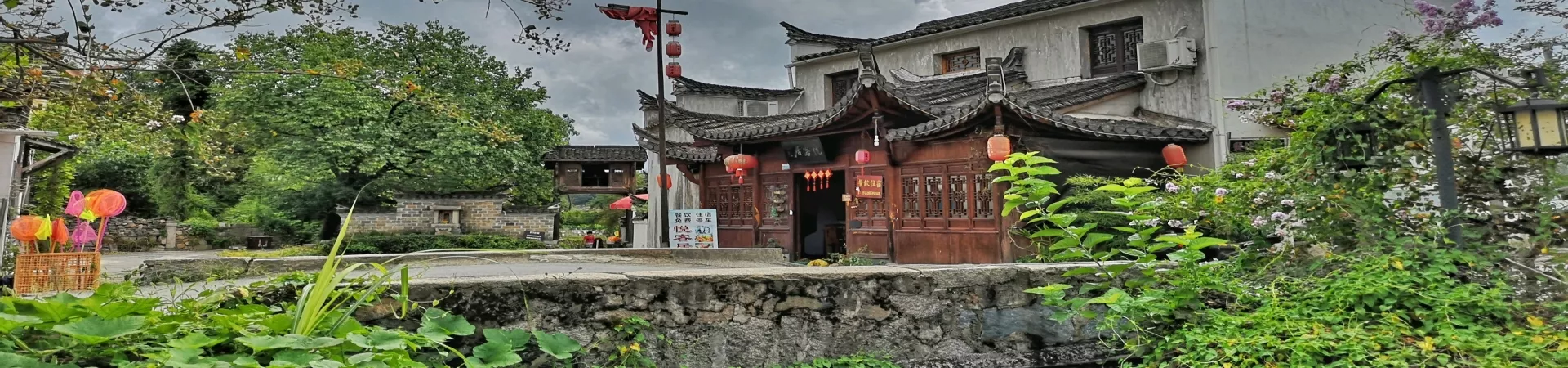
Introduction: Where Three Streams Converge Nestled within Jing County, Anhui Province, lies Zhaji Ancient Village, a remarkably preserved ensemble of traditional architecture that offers a serene escape into China's historical and cultural landscape. The village's unique charm is immediately defined by its geography: the Cen, Xu, and Shi streams meander through the settlement, converging within its heart. Along their banks, the iconic white walls and dark grey tiles of Hui-style buildings rise in harmonious layers, creating a picturesque scene where the gentle flow of water complements the timeless elegance of the structures. This seamless integration with nature forms the foundational character of Zhaji, presenting a living postcard of rural life from centuries past.
Architectural Heritage: A Gallery of Stone, Wood, and Brick The soul of Zhaji is encapsulated in its exquisite architecture, which represents the pinnacle of the Hui School, renowned for its "Three Carvings."
The Grandeur of Ancestral Halls Zhaji is often called a "museum of ancient Chinese folk residences," largely due to its surprising density of ancestral temples (citang). Among these, the Erjia Ancestral Hall stands out as a masterpiece. Its imposing structure serves as a canvas for some of the village's most detailed and symbolic carvings, narrating stories of clan history, folklore, and Confucian values through intricate art.
The Art of the Three Carvings The true brilliance of Hui architecture is in the details, showcased through the famed Three Carvings: * Brick Carving (Zhuan Diao): Often found on gate towers, door frames, and eaves, these reliefs feature delicate patterns of flora, fauna, and legendary figures. * Wood Carving (Mu Diao): This art form adorns beams, pillars, window lattices, and furniture inside the halls. The carvings range from complex historical scenes to elegant, simple patterns, demonstrating extraordinary craftsmanship. * Stone Carving (Shi Diao): Primarily seen in door foundations, stone lions, archways, and stele inscriptions, these carvings convey a sense of solidity and permanence, often guarding the thresholds of important buildings.
A Glimpse into the Yuan Dynasty: De Gong Hall House For history enthusiasts, a visit to the ancient De Gong Hall House is essential. Dating back to the Yuan Dynasty (1271-1368), this structure is one of the older surviving buildings in the village. Its architectural style and elements offer a valuable contrast to the more prevalent Ming and Qing Dynasty structures, providing a tangible link to an even earlier period of Chinese history.
Cultural Immersion: From Local Delicacies to Silver Screen Magic Beyond its static beauty, Zhaji offers immersive cultural experiences that engage the senses.
A Taste of Tradition: Mao Tofu No visit is complete without sampling local specialties. "Mao Tofu" (literally "Hairy Tofu") is a must-try. This fermented tofu, characterized by its unique texture and strong, pungent flavor, is a beloved snack among locals and an adventurous culinary experience for visitors, perfectly representing the rustic and authentic flavors of the region.
Zhaji on Screen: Filming Locations The village's authentic atmosphere has attracted filmmakers, making parts of it familiar to audiences. The "Airi Hall" (爱日堂) served as a key location for the film "Deserted Village Inn," adding a layer of cinematic mystique. Furthermore, the "Yuegui Villa" (悦桂山庄) was depicted as the hometown of the character played by popular actor Hu Ge in the TV series "Life Revelation," connecting the ancient village with contemporary pop culture.
Exploring the Surroundings: The Poetic Peach Blossom Pond Zhaji's location makes it an ideal base for exploring another iconic literary site. Approximately 20 kilometers to the east lies the famous Peach Blossom Pond (Taohuatan). This site was immortalized by the Tang Dynasty poet Li Bai in his poem "To Wang Lun" ("I, Li Bai, board the boat, just as we're ready to go, When suddenly on the bank your farewell songs o'erflow. However deep the lake of peach blossoms may be, It's not so deep, O Wang Lun! as your love for me."). The pond, surrounded by lush hills, complements a visit to Zhaji perfectly, allowing travelers to experience both a preserved living village and a landscape steeped in poetic history. They are commonly visited together on a single trip.
Practical Visitor Information
Admission Fees: * Peak Season (March 1 - October 31): 65 RMB. * Low Season (November 1 - February 28/29): 55 RMB. * Concession Tickets (Half-price): Available for minors aged 6 (not inclusive) to 18 (inclusive); seniors aged 60 (inclusive) to 64 (inclusive) with valid ID; full-time undergraduate students and below with valid student ID. * Free Admission: For children with a height of 1.2 meters and below or aged 6 and below; seniors aged 65 and above with valid ID; active military personnel, retired officers, and persons with disabilities with valid certificates. * Note: The above information is for reference only. Please refer to the actual disclosure at the scenic area on the day of your visit.
Opening Hours: The village is open to visitors 24 hours a day, all year round.
Suggested Duration: A thorough exploration of the village's lanes, streams, and major halls requires a minimum of 3 hours. A more leisurely visit, including meals and extended photography, can easily fill half a day or more.
Contact: For inquiries, you may contact: 0563-5995299.
Information last updated: April 2023.