Xishuangbanna Rainforest Valley
Subtitle: A Journey into the Heart of China's Tropical Wilderness
1. Introduction to Xishuangbanna Rainforest Valley
Nestled within the southwestern frontier of China's Yunnan Province lies a realm of unparalleled natural wonder and cultural richness: the Xishuangbanna Rainforest Valley. This destination is not merely a scenic area; it forms the core of China's only tropical rainforest national nature reserve. It stands as a magnificent testament to biodiversity, offering visitors an immersive experience into one of the planet's most vibrant and ancient ecosystems, seamlessly interwoven with the unique traditions of indigenous minority cultures. For the traveler seeking adventure beyond the ordinary, this valley promises a profound encounter with nature's grandeur and human heritage preserved against the tide of time.
2. The Lungs of China: A Biodiversity Hotspot
2.1. A Primeval Ecosystem The Rainforest Valley is a living, breathing museum of natural history. Unlike any other region in China, it boasts a classic tropical rainforest climate, characterized by high humidity, abundant rainfall, and a staggering variety of flora and fauna. The air is thick with the scent of damp earth and blooming flowers, while the symphony of insects, birds, and flowing water creates a constant, soothing backdrop. This environment has fostered an explosion of life, making it a critical sanctuary for species found nowhere else in the country.
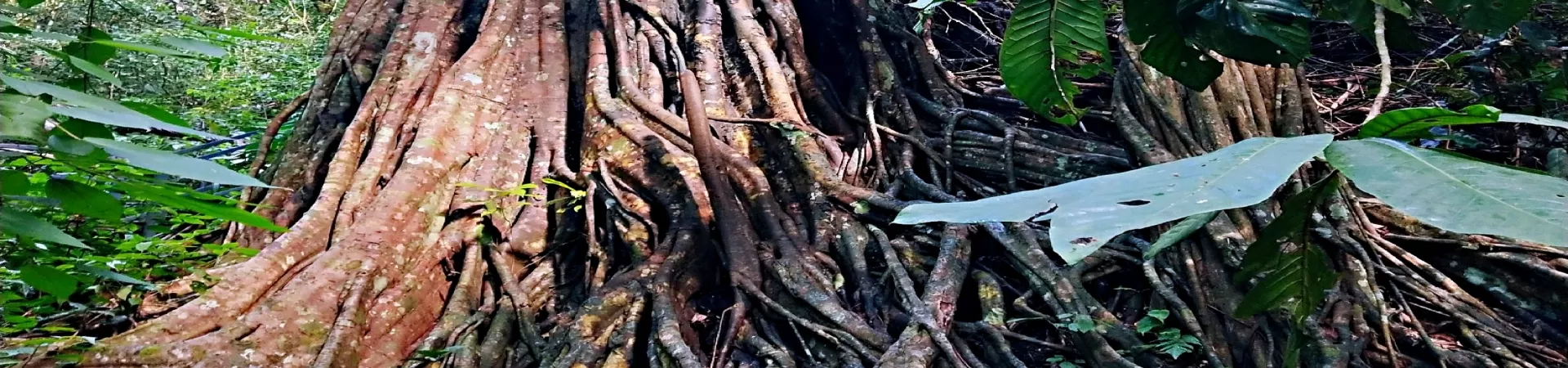
2.2. Botanical Giants and Ancient Survivors Walking through the valley is akin to stepping back in time. The canopy, a multi-layered green tapestry, is dominated by giants that inspire awe. Among them are record-holding specimens that have become legends in their own right: * The Giant Hairy Fig (Ficus drupacea): This colossal tree is recognized as the largest known of its kind in China, its massive trunk and sprawling roots a testament to centuries of growth. * The Pale Hookvine (Uncaria homomalla): A remarkable climber, celebrated for its size and botanical significance. * The "Strangler King": A dramatic example of the rainforest's fierce competition for light, this fig species has enveloped and ultimately surpassed its host tree, creating a breathtaking and somewhat haunting natural sculpture.
Perhaps most astonishing are the living relics from the age of dinosaurs. The valley protects several species of "living fossil" plants, such as cycads and tree ferns, whose lineages have remained virtually unchanged for millions of years. Encountering them offers a direct, tangible link to a prehistoric world.
3. Cultural Mosaic: The Enigmatic Kemu People
3.1. Guardians of the Forest The soul of the Rainforest Valley is also embodied by its human inhabitants. Deep within this green expanse live the Kemu people, an ethnic group with a population of just over 3,000, primarily residing in Mengla and Jinghong counties. They are an integral part of the forest ecosystem, with a culture and lifestyle finely adapted to its rhythms. For centuries, they have developed a profound symbiotic relationship with the rainforest, relying on its resources while respecting its balance through traditional knowledge and beliefs.
3.2. Traditions in Harmony with Nature A visit to the valley provides a rare opportunity to learn about the Kemu's distinct customs, language, and spiritual practices, which are deeply connected to animism and reverence for nature. Their presence adds a profound cultural dimension to the ecological experience, reminding visitors that this landscape is not just a wilderness but also a homeland. Observing their traditional stilted houses and learning about their sustainable practices offers invaluable insights into a way of life that prioritizes harmony with the environment.
4. Practical Information for Your Visit
4.1. The Spectacle of Songkran To experience the region's cultural vibrancy at its peak, plan a visit during the annual Water-Splashing Festival (Songkran). Held from April 13th to 15th, this event marks the Dai New Year and has earned the moniker "the Oriental Carnival." The streets and villages come alive with joyous water fights, symbolic of washing away misfortune and welcoming blessings. Elaborate parades, dragon boat races, and traditional performances create an atmosphere of infectious celebration, drawing visitors from across the globe to participate in this unforgettable spectacle of water and joy.
4.2. Planning Your Exploration * Opening Hours: The Rainforest Valley is open daily from 8:00 AM to 5:00 PM, with the last admission at 4:00 PM. These hours are consistent throughout the year. * Recommended Duration: To fully appreciate the hiking trails, botanical wonders, and cultural exhibits at a comfortable pace, allocate a minimum of 3 hours for your visit. Many visitors find themselves spending half a day or more to immerse themselves completely. * Contact: For specific inquiries, you may contact the site at +81-13988180598.
4.3. Journey Essentials When preparing for your trip, consider that the rainforest terrain can be muddy and slippery. Sturdy, waterproof walking shoes are essential. Light, breathable clothing, high-quality insect repellent, rain gear (even outside the monsoon season), and ample drinking water are highly recommended. A knowledgeable local guide can greatly enhance the experience by pointing out hidden flora and fauna and explaining the cultural context of the Kemu people and the ecosystem.