Xishuangbanna Dai Ethnic Park
Subtitle: A Living Cultural Tapestry: Experiencing Authentic Dai Heritage in Xishuangbanna
Introduction Nestled in the lush, tropical landscape of Xishuangbanna in China's southern Yunnan province, the Xishuangbanna Dai Ethnic Garden stands as a remarkable and immersive cultural preserve. More than a conventional theme park, it is a living, breathing community comprised of five beautifully preserved Dai natural villages: Manjiang, Manchunman, Manting, Manzha, and Manga. This unique destination offers visitors an unparalleled opportunity to step into the heart of Dai culture, architecture, and daily life, providing a deep and authentic connection to one of China's most vibrant ethnic minorities. The garden serves as a dynamic museum without walls, where ancient Buddhist temples echo with daily prayers, traditional stilted houses line serene paths, and the joyous spirit of festivals fills the air every day.
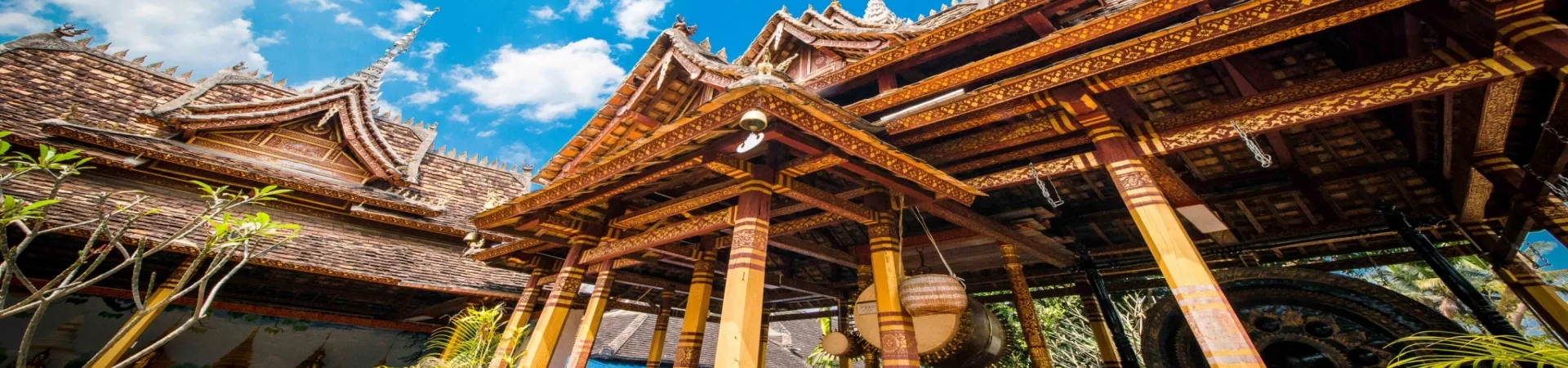
The Five Villages and Architectural Heritage 1.1 A Composition of Authentic Communities The fundamental structure of the Dai Ethnic Garden is its five integral villages. Each retains its original layout and residential character, allowing visitors to wander through genuine Dai communities. The villages are connected by shaded pathways, often flanked by towering palm trees and vibrant tropical flowers. The traditional Ganlan-style houses, built on stilts with distinctive sloping roofs, are not mere exhibits but active homes. Observing the architectural details—from the wooden carvings to the practical design that accommodates the humid climate and prevents flooding—offers insight into the Dai people's harmonious adaptation to their environment.
1.2 Daily Life and Cultural Immersion As you explore the villages, you witness the rhythm of daily life. You might see local artisans weaving intricate brocade textiles, elders crafting traditional tools, or farmers tending to their small gardens. This unobtrusive immersion is the garden's greatest strength, presenting culture in context rather than behind glass. Engaging respectfully with villagers, who are the true custodians of this heritage, provides a personal dimension to the visit that is both educational and profoundly moving.
Core Cultural Experiences and Sites 2.1 The Welcoming Ritual at the Greeting Square Your cultural journey formally begins at the Greeting Square just inside the main gate. Here, you are welcomed with the renowned Dai hospitality. Dancers in elaborate traditional costumes perform the graceful Peacock Dance and other folk dances, their movements telling stories of nature and mythology. The ceremony often includes the singing of auspicious祝福 (zhùfú) songs and the gentle, blessing ritual of water-sprinkling—a symbolic prelude to the famous Water-Splashing Festival. This warm reception immediately envelops you in the celebratory and respectful spirit of Dai culture.
2.2 Spiritual Serenity at Manchunman Ancient Buddhist Temple A cornerstone of the garden's spiritual and historical significance is the Manchunman Ancient Buddhist Temple. Revered as one of the oldest temples in Xishuangbanna, its history stretches back over 1,400 years. The temple's architecture, with its ornate eaves, golden decorations, and serene Buddha statues, exemplifies the profound influence of Theravada Buddhism on Dai society. The tranquil atmosphere is daily deepened by the resonant chanting of monks, a hauntingly beautiful sound that drifts through the complex. This site is not only for sightseeing but for quiet reflection on the deep-rooted spiritual life that permeates the community.
2.3 The Daily Celebration: Water-Splashing Festival Plaza While the actual Dai New Year, or Songkran, is celebrated with massive regional festivities in April, the Dai Ethnic Garden brings this quintessential joy to life every single day at its dedicated Water-Splashing Festival Plaza. The plaza becomes a vortex of laughter and excitement as visitors and staff alike participate in this playful yet ritualistic event. Donning Dai clothing, people engage in friendly water battles, using basins and buckets to splash each other. This activity is far more than fun; it is a symbolic washing away of misfortune and illness, and an invocation of happiness, health, and prosperity for the coming year. It is an unforgettable, participatory experience that captures the essence of Dai celebratory culture.
Practical Visitor Information 3.1 Ticket Details and Operating Hours The garden is open to visitors daily throughout the year. The standard admission fee is 45 RMB for adults. For convenience, an electric sightseeing car (tourist trolley) service is available for an additional fee of approximately 40 RMB, which is recommended given the site's expansive area. The garden operates with an "all-day" opening policy, though specific activity times (like the water-splashing and welcome ceremonies) are scheduled. It is advisable to check the official schedule upon arrival to plan your visit around these key events.
3.2 Policy on Discounts and Exemptions The park offers free admission to several groups as part of its cultural and social policy. These typically include: children under 1.2 meters in height, senior citizens aged 70 and above (with valid ID or senior citizen certificate), individuals with disabilities (with a disability certificate), active-duty military personnel (with official officer certificate), and tour guides leading groups (with a valid guide license). Valid original documentation is required to claim these exemptions.
Transportation and Access 4.1 Getting There from Jinghong The Dai Ethnic Garden is located approximately 28 kilometers from downtown Jinghong, the capital of Xishuangbanna. Several transportation options are available: * Direct Tourist Shuttle: The most straightforward option for tourists is the dedicated scenic area shuttle bus. It departs from near the main gate of Gaozhuang (Jinghong's popular tourist area). The fare is around 20 RMB per person, and it provides a direct route to the garden. * Express Bus: For a local commute option, you can take a Gaokuai (express) bus from the Xishuangbanna Passenger Transport Station (locally known as the Fantai Chang Station) in Jinghong heading towards the Menglun/Mengla direction. Inform the driver or conductor that you wish to alight at the Dai Ethnic Garden (Dai Zu Yuan).
4.2 Suggested Duration of Visit To fully appreciate the villages, attend the cultural performances, participate in the water-splashing, and explore the ancient temple at a leisurely pace, a minimum visit duration of 3 to 4 hours is highly recommended. Allocating a half-day ensures a comprehensive and unhurried experience without missing the garden's highlights.
Contact Information For the most current information regarding schedules, events, or to make inquiries, visitors can contact the administration using the following telephone numbers: +86 (691) 250-4099 or +86 (691) 241-5155.
Information last verified and updated: October 1, 2023. Credit and thanks to contributor Xue Shurui for editorial input.