Sipsongpanna Botanical Garden, Chinese Academy of Sciences
A Comprehensive Guide to Visiting the Xishuangbanna Tropical Botanical Garden
Nestled in the lush embrace of Xishuangbanna Dai Autonomous Prefecture in Yunnan Province, the Xishuangbanna Tropical Botanical Garden (XTBG) stands as a crown jewel of botanical research and natural splendor in China. Operated by the Chinese Academy of Sciences, it is far more than just a garden; it is a vital center for tropical scientific research, species conservation, and public education. As the largest botanical garden in China, it boasts the most extensive collection of plant species and the highest number of specialized plant zones, offering an unparalleled journey into the heart of tropical biodiversity.
Visitor Experience and Key Areas The garden is divided into three main open areas for visitors to explore, each with its unique character and attractions.
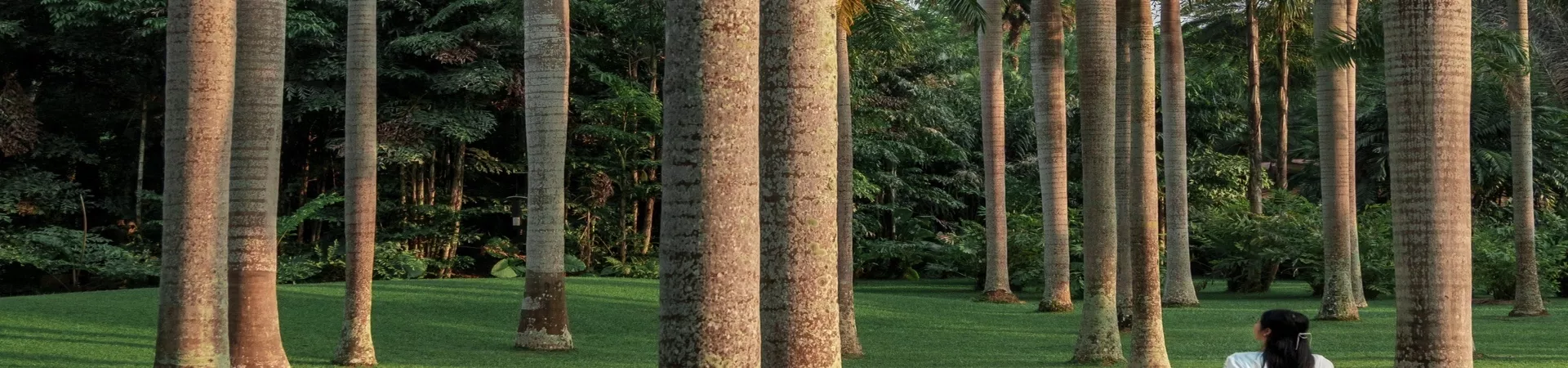
The Western Section (Cultivated Gardens) This area is the most meticulously landscaped part of the garden, designed to showcase the astonishing diversity and ornamental beauty of tropical flora. It features over 30 specialized plant collections and gardens. Visitors can wander through the majestic Palm Garden, be enchanted by the vibrant colors of the Heliconia Garden, find serenity in the Bamboo Garden, and marvel at the strange and wonderful shapes in the Succulent Plant Garden. This section is ideal for understanding plant classification, adaptation, and their relationships with human culture in a beautifully arranged setting.
The Tropical Rainforest Valley (Primeval Forest) This section offers an authentic and immersive experience of a pristine tropical monsoon rainforest ecosystem. A well-maintained boardwalk snakes through the dense jungle, allowing visitors to witness nature's raw, untamed beauty. Here, you will encounter the dramatic phenomena typical of tropical rainforests: towering trees competing for sunlight, massive woody lianas hanging like natural ropes, strangler figs enveloping their host trees, and the eerie, beautiful sight of "one-tree forests" created by banyan trees. The air is filled with the sounds of insects and birds, providing a truly sensory immersion into one of the planet's most vital biomes.
The Green Stone Forest This unique area combines karst limestone formations with rich tropical vegetation, creating a surreal landscape. The eroded limestone hills, covered in a thick green carpet of mosses, ferns, and trees, present a striking contrast. Hiking trails lead through this geological wonder, where you can discover plants specially adapted to the thin soil and rocky outcrops. It's a fascinating study of how life tenaciously colonizes and thrives in challenging environments.
A Treasury of Botanical Wonders With nearly 13,000 species of living plants from tropical and subtropical regions around the world, the garden is a living library of flora. Among these, numerous rare and peculiar species captivate visitors. You might see the famous "Shy Plant" (Mimosa pudica) whose leaves fold upon touch, the explosive seed dispersal of the Sandbox Tree, the enormous aquatic leaves of the Victoria amazonica water lily, or the bizarre flowers of tropical Aristolochia. The garden's conservation efforts are crucial for preserving such species, many of which are endangered in their native habitats.
Essential Visitor Information
- Location: Menglun Town, Mengla County, Xishuangbanna Prefecture, Yunnan, China.
- Opening Hours: 8:00 AM - 6:00 PM, daily throughout the year. Last admission is typically one hour before closing.
- Recommended Visit Duration: A minimum of 3-4 hours is recommended to appreciate the main sections. A full day allows for a more comprehensive and leisurely exploration, especially for photography and nature enthusiasts.
Admission Fees (For reference, subject to change) * Standard Adult Ticket: 80 RMB. * Concession Tickets (40 RMB): Applicable to children between 1.2m and 1.4m in height, seniors aged 60-69, and full-time students with valid ID. * Free Admission: Granted to children under 1.2m (or under 6 years old), seniors aged 70 and above, active-duty military personnel and disabled veterans (with valid ID), and individuals with disabilities (with valid certificate). It is advisable to check the official website or contact the garden for the most current and detailed policy regarding all concession categories.
Transportation Guide The most common and straightforward way to reach the garden from Jinghong, the capital of Xishuangbanna, is by bus. 1. Go to the Xishuangbanna Passenger Bus Station (No. 3 Minhang Road). 2. Purchase a ticket for a bus heading to Menglun (勐仑). Buses destined for Mengla (勐腊) also pass through Menglun. 3. The journey takes approximately 1 to 1.5 hours. Inform the driver or conductor that you are going to the Tropical Botanical Garden ("Redai Zhiwuyuan"). 4. Alight at the Menglun bus stop. The main entrance to the garden is within walking distance from the stop (follow signs, approximately a 5-10 minute walk).
Tips for an Enhanced Visit * Guides and Tours: Consider hiring a knowledgeable guide at the entrance or joining a guided tour. Their insights into plant ecology, unique adaptations, and local ethnobotanical knowledge (how local Dai and other ethnic groups use plants) greatly enrich the experience. * What to Bring: Wear comfortable walking shoes, as you will cover significant distances. Bring sunscreen, a hat, insect repellent, and plenty of drinking water. Rain gear is advisable during the rainy season (May to October). * Climate: Xishuangbanna has a tropical climate—hot and humid year-round. Mornings are often the most comfortable time to visit. * Facilities: The garden has basic facilities including restrooms, souvenir shops, and a couple of cafes/restaurants near the entrance and in the Western Section.
A visit to the Xishuangbanna Tropical Botanical Garden is more than a stroll through beautiful gardens; it is an educational adventure into the complexity and wonder of tropical ecosystems. It highlights the critical importance of conservation while providing a breathtaking escape into nature. Whether you are a botanist, a photographer, a nature lover, or simply a curious traveler, this world-class institution promises a deeply rewarding and memorable experience.