Mengjinglai Scenic Resort
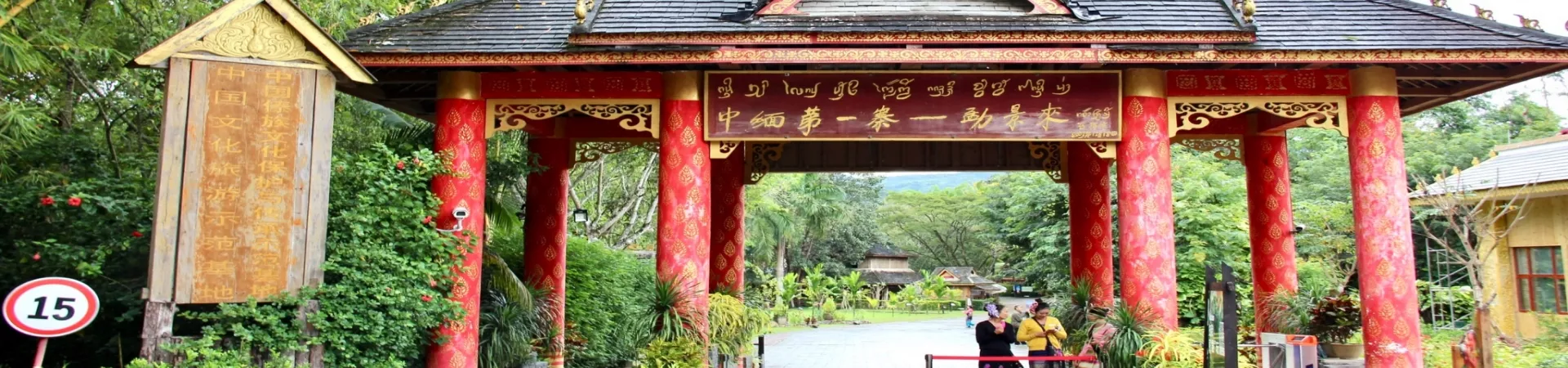
Subtitle: A Journey to Mengjinglai: Where China Meets Myanmar, and Serenity Embraces Spirituality
Introduction: The Cross-Border Sanctuary
Nestled along the picturesque border between China and Myanmar, Mengjinglai Village stands as a living testament to centuries of shared cultural and religious heritage. Once a pivotal religious and cultural hub for communities on both sides of the border, it has earned the revered title of "The First Village on the China-Myanmar Border." The village is cradled by the crystal-clear waters of the Daluo River, which flows gently along its western edge, serving as a natural, serene demarcation line between the two nations. Across the river, the hills of Myanmar rise in the distance, a constant reminder of the village's unique geopolitical and cultural position. More than just a scenic spot, Mengjinglai is an immersive experience—a harmonious blend of spiritual ambiance, architectural beauty, and the tranquil rhythms of Dai ethnic life, offering visitors a genuine escape into a world that feels both timeless and profoundly peaceful.
The Spiritual Heart: Sacred Sites and Living Traditions
At the core of Mengjinglai's identity are its sacred sites, which have drawn pilgrims and devotees for generations. The spiritual journey often begins at the village entrance.
- The Pagoda Forest and Ancient Trees: A collection of graceful, white pagodas (stupas) stands near the entrance, their spires pointing skyward amidst lush greenery. These structures, alongside revered ancient trees considered sacred by the local Dai people, form a tranquil pagoda forest. They are not mere relics but active sites of veneration, embodying the deep-rooted Theravada Buddhist faith of the community.
- The Sacred Spring: A natural spring, believed to possess holy properties, is another focal point. The water from this spring is often used in religious ceremonies and is considered a source of blessing, adding to the village's aura of sanctity.
- A Center for Pilgrimage: During traditional festivals, such as the Water-Splashing Festival, Mengjinglai truly comes alive as a spiritual center. Devotees from surrounding areas in China and Myanmar flock to the village to participate in rituals, make offerings at the pagodas ("tan fo"), and listen to Buddhist scriptures. This vibrant practice of faith reinforces the village's historical role and its enduring significance as a cross-border sanctuary.
An Immersion in Dai Culture: Architecture, Sensations, and Daily Life
Stepping into Mengjinglai is like entering a beautifully preserved canvas of Dai culture. The village layout and daily life offer a captivating experience for all the senses.
- Traditional Dai Architecture: The village is adorned with exquisite Dai-style bamboo houses, often built on stilts. These structures, with their distinctive sloping roofs and airy designs, are perfectly adapted to the local climate. Ornate Buddhist temples and the central pagoda further enhance the architectural landscape, their detailed carvings and gold accents glinting in the subtropical sun.
- A Symphony for the Senses: The air in Mengjinglai is perpetually fragrant with the scent of tropical flowers and ripe fruit from the surrounding orchards. This sweet aroma mingles with the soft, melodic sounds of the Dai language spoken by villagers going about their daily routines. The chorus is complemented by the cheerful songs of birds ("lingque"), creating an auditory backdrop of pure, undisturbed tranquility.
- The Pace of Life: Life here moves with a gentle, rhythmic pace. Visitors might observe locals weaving traditional textiles, crafting pottery, or tending to their gardens. This immersion into the unhurried daily life provides a stark and welcome contrast to the bustle of modern cities, making the village a true "Shangri-La" of beauty and harmony.
Practical Information for Visitors
To fully appreciate Mengjinglai, planning your visit with the following practical details in mind is essential.
1. Admission Fees The village charges an entrance fee, with concessions available for various groups. All fees are in Chinese Renminbi (RMB). * Standard Ticket: 50 RMB per adult. * Family Ticket (2 adults + 1 child): 125 RMB. * Concession Ticket (25 RMB): Applicable to full-time students (with valid student ID) and seniors aged 60 to 69 (with valid senior certificate or ID card). * Free Admission: Granted to: * Seniors aged 70 and above (with valid senior certificate or ID card). * Children aged 6 and under, or whose height is 1.2 meters and below. * Visitors with disabilities (with valid disability certificate). * Active-duty military personnel (with valid officer certificate). * Retired veteran cadres (with valid certificate).
2. Opening Hours Mengjinglai is open to visitors daily throughout the year. * Operating Schedule: 8:30 AM to 6:00 PM. * It is advisable to arrive with sufficient time to explore the village leisurely before closing.
3. Suggested Duration of Visit To thoroughly explore the pagoda forest, interact with the local community, appreciate the architecture, and soak in the atmosphere, allocating approximately one full day is recommended. This allows for an unhurried experience without the need to rush between sites.
4. Contact Information For any inquiries prior to your visit, you can contact the scenic area using the following phone numbers: * +86 (0)691 5566828 * +86 (0)691 5566880
(Information last updated: July 24, 2023. Credit to contributor Te Fuir.)