Xi Jiachi
Subtitle: A Journey Through Time: The Millennia-Old Gardens of Xiangyang
1. Introduction: The Cradle of History and Horticulture Nestled at the southern foot of Fenghuang Mountain (also known as Baima Mountain), approximately five kilometers south of Xiangyang City in Hubei Province, lies the Xijiachi Garden. This site is not merely a scenic spot but a living chronicle, its foundations rooted deep in the early years of the Eastern Han Dynasty (25-56 AD). Its creation marks the beginning of a remarkable narrative that intertwines aristocratic ambition, scholarly pursuit, literary genius, and military lore across centuries. More than just an ancient pond, Xijiachi represents a meticulously cultivated landscape where human history and natural beauty have been in constant, graceful dialogue for nearly two thousand years, offering visitors a rare portal into China's illustrious past.
2. Historical Foundations: From Aristocratic Estate to Literary Sanctuary 2.1. The Vision of Marquis Xi Yu The garden's story begins with Xi Yu, the Marquis of Xiangyang. Inspired by the aquaculture methods of Fan Li, a renowned minister from the ancient Yue Kingdom during the Spring and Autumn period, Marquis Xi embarked on an ambitious project. At the base of Baima Mountain, he constructed an earthen embankment measuring sixty paces long by forty paces wide. By channeling the clear, spring-fed waters from the mountain, he created a purpose-built fish pond, establishing the core of what would become Xijiachi. This initial act combined practical husbandry with the beginning of landscape aesthetics.
2.2. The Scholarly Legacy of Xi Zuochi The garden's intellectual and cultural significance was profoundly elevated during the Eastern Jin Dynasty by Xi Zuochi, a descendant of the founding family. He transformed the serene environment into a personal studio for contemplation and scholarship. By the pond's edge, he immersed himself in books, and within its pavilions, he composed his monumental historical work, Han Jin Chunqiu (History of the Han and Jin Dynasties). This masterpiece secured his reputation as a historian of enduring fame and irrevocably linked the name of Xijiachi with high literary culture and scholarly achievement, attracting learned visitors for generations to come.
3. Cultural Tapestry: Poets, Generals, and Evolving Fame 3.1. The "High Yang Wine Drinker" During the Western Jin Dynasty, the garden's character embraced a more convivial spirit. Shan Jian, the General who Garrisoned the South stationed in Xiangyang, was a frequent visitor. He found the setting perfect for leisurely banquets and drinking parties. It is said that after indulging in wine, he would jovially refer to himself as the "High Yang Wine Drinker." This association led to the garden acquiring its alternative, romantic name: Gaoyang Chi, or the High Yang Pool.
3.2. Poetic Immortalization The garden's dual identity—as a serene scholarly retreat and a site of celebrated gatherings—captured the imagination of later poets. The renowned Tang Dynasty poet Meng浩然, in his verses, nostalgically recalled the era when Xiangyang was at the peak of its power, singing, "In those days of Xiangyang's grandeur, Lord Shan was often drunk at Xijiachi." Such lines cemented the pool's place in the Chinese poetic consciousness, ensuring its story was passed down through literary tradition as much as through historical record.
4. Architectural and Natural Landscape 4.1. The Heart of the Garden: The Hexagonal Pavilion The central visual and architectural focal point of Xijiachi is the exquisite hexagonal pavilion, commonly known as the "Mid-Lake Pavilion." Standing on a circular platform within the pond, this structure features double-eaved roofs, a classic element of traditional Chinese architecture that adds grandeur and layered beauty. Encircled by carved stone balustrades, the pavilion offers an ideal vantage point. Visitors leaning on these rails can enjoy a tranquil view of lotus flowers breaking the water's surface and fish swimming leisurely below, a scene that has remained essentially unchanged for centuries.
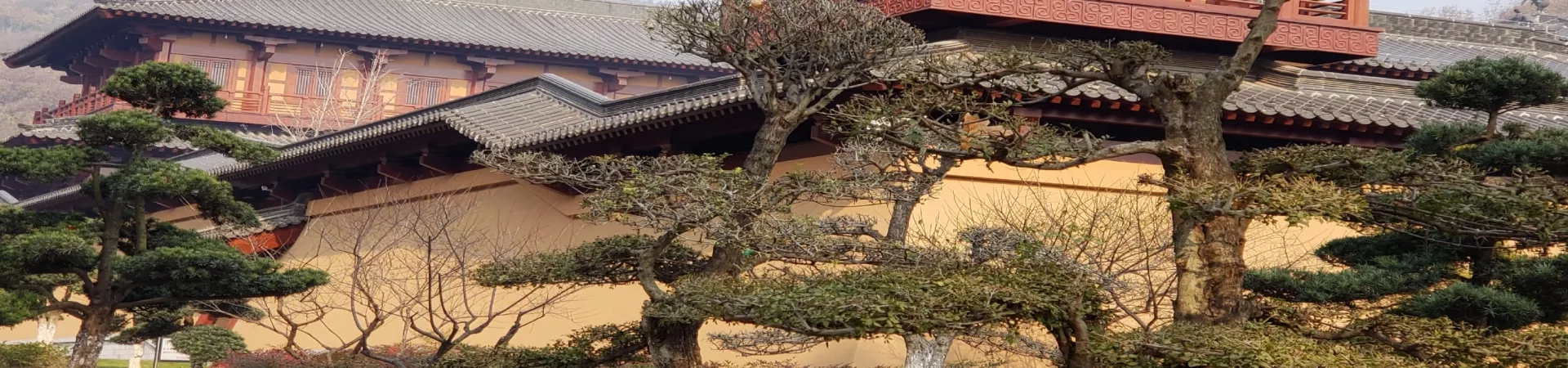
4.2. A Symphony of Scenery The garden was historically designed as a comprehensive aesthetic experience. Beyond the main pool and pavilion, the site once featured additional structures such as the Fengquan Pavilion and the Furong Terrace, complemented by the tomb of founder Xi Yu. The overall layout masterfully integrates with the natural environment: it is embraced by rolling hills, shaded by ancient pines and cypresses, and animated by the gentle murmur of flowing water. Pavilions and terraces appear and disappear amidst the greenery, creating picturesque frames at every turn. The air, filled with the scent of flowers and the songs of birds, completes an atmosphere of profound peace and refined elegance. This harmonious blend is what consistently drew, and continues to draw, artists, poets, and seekers of tranquility.
5. Visitor Information For travelers planning a visit, Xijiachi offers a highly accessible glimpse into ancient Chinese garden culture. * Admission Fee: A nominal fee of 5 RMB is required for entry. * Opening Hours: The garden is open to visitors all day, every day, throughout the year (January 1st to December 31st, Monday through Sunday). This allows for flexibility in planning, whether for a morning stroll or a contemplative afternoon visit.
Information last updated: January 9, 2023.