Xiangyang Museum
Subtitle: A Journey Through Millennia: Unveiling Xiangyang's Story at the Xiangyang Museum
1. Introduction: The Guardian of a Strategic Crossroads
Nestled within the ancient city of Xiangyang, a place whose name resonates through Chinese history as a formidable military stronghold and a vital cultural hub, the Xiangyang Museum stands as a modern custodian of a profound past. More than just a repository of artifacts, it is a narrative space that decodes the region's pivotal role in shaping the destiny of dynasties. For any visitor seeking to understand the soul of Hubei province beyond its natural landscapes, this museum offers an indispensable key. Its collections, thematically curated, span from prehistoric times through the era of feudal kingdoms to the bustling industrial age, presenting a comprehensive tapestry of life, war, art, and innovation along the middle reaches of the Han River. A visit here is not merely an educational tour but a chronological voyage, connecting the dots between legendary battles, scholarly achievements, and craft traditions that defined this strategic crossroads of China.
2. Historical Context and Architectural Presence
2.1. The City's Legacy: More Than Just Walls To appreciate the museum's holdings, one must first grasp Xiangyang's historical significance. For centuries, its imposing city walls and position at the confluence of the Han and Yangtze Rivers made it a "throat" between northern and southern China. It was a military linchpin, famously besieged for years during the Southern Song Dynasty, and a thriving commercial center. This dual identity as a fortress and a marketplace fostered a unique cultural blend, influencing everything from metallurgy to poetry. The museum itself, through its contemporary architectural design, reflects this blend of solidity and elegance, providing a serene and purposeful environment for contemplation.
2.2. Museum Structure and Layout The museum's exhibition space is systematically organized across multiple floors and halls, each dedicated to a specific historical period or theme. The flow is generally chronological, guiding visitors from the ancient origins of human activity in the region up to the modern developments of the 20th century. Clear signage in both Chinese and English, along with detailed explanatory panels, contextualizes the artifacts, making the complex historical narratives accessible to all.
3. The Core Exhibition Halls: A Thematic Walkthrough
3.1. Hall of Ancient Foundations: Prehistory to the Han Dynasty This section lays the groundwork, showcasing the dawn of civilization in the Xiangyang region. * 3.1.1. Neolithic Beginnings: Artifacts such as polished stone tools, intricately painted pottery, and early jade ornaments testify to the sophisticated Neolithic cultures that flourished along the Han River. These items reveal early agricultural practices, ritual beliefs, and social organization. * 3.1.2. Bronze Age Glory: The highlight here is the magnificent collection of bronze ware from the Zhou Dynasty, particularly from the powerful Chu state that controlled the area. Elaborate ritual vessels, weapons, and bells inscribed with ancient script illustrate not only advanced metallurgical skills but also the political and religious power structures of the time. * 3.1.3. Unification and Integration (Qin & Han Dynasties): Exhibits transition to reflect the region's integration into a unified empire. Models of tombs, Han dynasty pottery figurines depicting daily life, iron agricultural implements, and early coinage showcase the economic and social stabilization under imperial rule.
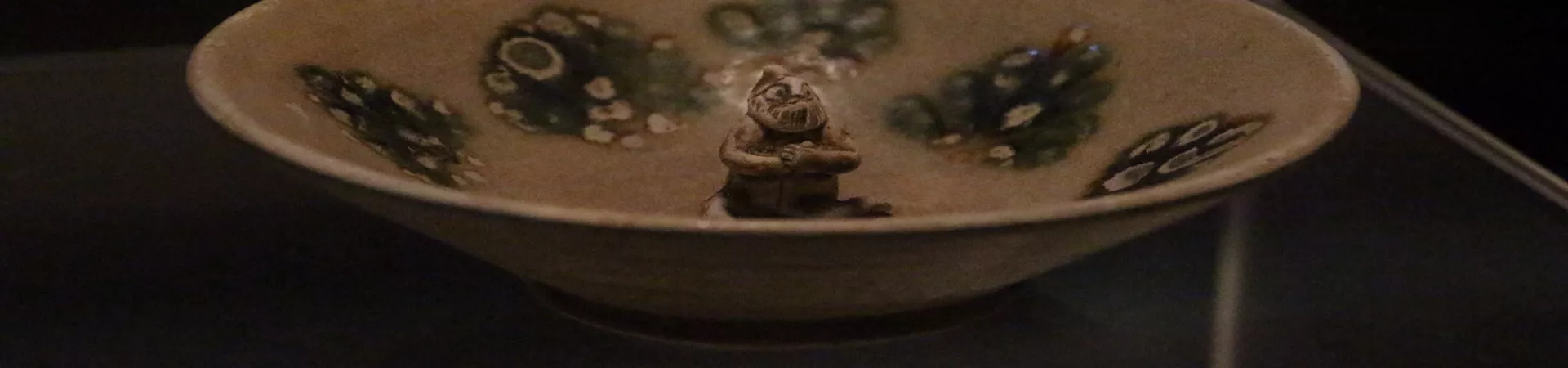
3.2. Hall of Strategic Pivot: The Era of Divided Kingdoms and Cultural Fusion This hall addresses the period when Xiangyang's strategic importance reached its zenith, from the Three Kingdoms period through the Tang and Song dynasties. * 3.2.1. The Three Kingdoms Legacy: Given Xiangyang's central role in the Romance of the Three Kingdoms, this section is particularly captivating. It displays weapons, armor, and tactical maps related to the legendary sieges and figures like Zhuge Liang. The exhibits strive to distinguish historical fact from literary romance, providing a grounded look at the warfare and politics of the era. * 3.2.2. Buddhism and the Silk Road: As a node on trade routes, Xiangyang became a conduit for Buddhism. A stunning collection of Buddhist statues, steles, and gilt bronze figurines from the Northern and Southern Dynasties through the Tang period demonstrates the artistic evolution of Buddhist art and its profound local influence. * 3.2.3. Scholarly Refinement in the Song Dynasty: Despite its military turmoil, the Song Dynasty was an age of cultural excellence. This subsection features exquisite Song porcelain (celadon and white ware), scholarly objects (ink stones, brushes), and calligraphy specimens, reflecting the aesthetic pursuits and intellectual life of the literati class in the region.
3.3. Hall of Local Spirit: Ming, Qing, and Folk Traditions Moving into the later imperial periods, the focus shifts to the distinctive local culture that developed in Xiangyang. * 3.3.1. Ming and Qing Decorative Arts: The craftsmanship of these eras is evident in finely detailed blue-and-white porcelain, lacquerware, and furniture. These objects speak to the prosperity of the city as a commercial center and the domestic tastes of its wealthy merchants and officials. * 3.3.2. Intangible Cultural Heritage: This vibrant section brings local folk customs to life. Displays include traditional Xiangyang embroidery, colorful folk paintings, theatrical masks used in local operas, and models depicting festival celebrations. It highlights the living traditions that have been passed down through generations.
3.4. Hall of Modern Transformation: From Late Qing to Contemporary Times The final major section chronicles the region's journey through upheaval and modernization. * 3.4.1. The Late Qing and Republican Period: Photographs, documents, and personal effects tell the story of Xiangyang's experience during the decline of the empire, the Republican era, and the war years, emphasizing social change and resilience. * 3.4.2. Industrial and Urban Development: The narrative concludes with exhibits on the city's 20th-century transformation, including the development of local industries such as the automotive sector. This part connects the ancient strategic city to its modern identity as an industrial hub in Hubei province.
4. Practical Information for Visitors
4.1. Location and Accessibility The Xiangyang Museum is located within the city proper, easily reachable by public bus or taxi. Its central location makes it a convenient part of any city tour, often combined with a visit to the nearby ancient city wall.
4.2. Opening Hours and Admission The museum is open to the public from 9:00 AM to 4:00 PM, Tuesday through Sunday. It is closed on Mondays for maintenance. Admission is typically free, but a valid form of identification (such as a passport) may be required for entry. It is always advisable to check the latest visitor policies before your visit.
4.3. Contact Information For any inquiries regarding special exhibitions, group visits, or accessibility services, you can contact the museum directly at: +86-710-3513330.
4.4. Enhancing Your Visit To make the most of your time, consider allocating at least two to three hours for a thorough exploration. Audio guides or guided tour services, if available, can provide deeper insights. The museum often hosts temporary exhibitions on specific themes, which can offer a fresh perspective on its permanent collections. Photography is usually permitted without flash, but it is best to confirm the rules upon entry.