Xiangyang City Wall
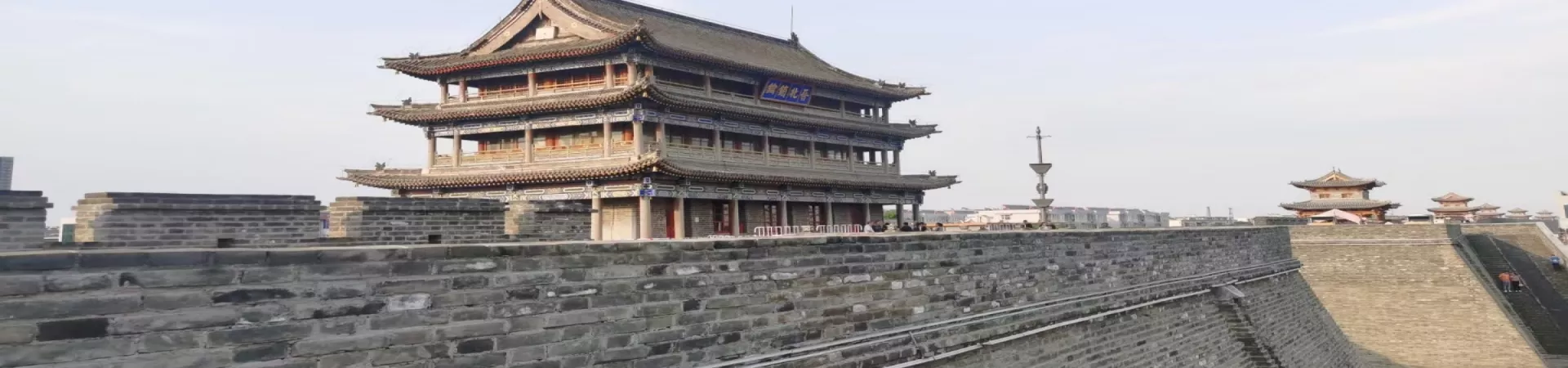
A Journey Through Time: Exploring the Xiangyang City Wall
Nestled within the Xiangcheng District of Xiangyang City, Hubei Province, lies a monumental testament to Chinese history and architectural prowess—the Xiangyang City Wall, also reverently known as the Xiangyang Defensive Wall. More than just an ancient structure, it is the enduring soul of the city, a stone-and-earth chronicle that has silently witnessed the ebb and flow of dynasties, sieges, and the daily life of its inhabitants for nearly two millennia. A visit here is not merely a sightseeing stop; it is an immersive walk through time, offering a profound sense of place and a tangible connection to China's illustrious past.
Historical Significance and Architectural Grandeur
The story of the Xiangyang City Wall begins in the Han Dynasty (206 BCE – 220 CE), marking its origins over 2,000 years ago. This initial construction laid the foundation for what would become one of the most formidable and strategically vital fortification systems in all of China. Its primary historical role was as a critical military stronghold, famously guarding the middle reaches of the Yangtze River. The wall's legendary resilience was proven during the epic, six-year siege by the Mongol armies in the 13th century, a defense that significantly altered the course of history.
While its foundations are ancient, the wall you see today is a palimpsest of history, bearing the marks of numerous repairs, reinforcements, and restorations undertaken across successive dynasties, including the Song, Ming, and Qing. Despite these necessary interventions, the wall has magnificently retained its original majestic scale and imposing character. Stretching for approximately 7.3 kilometers and enclosing the old city core, it stands as a complete and remarkably well-preserved example of ancient Chinese military architecture. Its formidable presence, with towering ramparts, sturdy battlements, and strategic gates, continues to evoke a sense of awe and respect for the engineering ingenuity of its builders.
The Visitor Experience: A Walk Along History
A journey onto the Xiangyang City Wall is the highlight of any visit. Walking along its broad, flagstone-paved top offers unparalleled panoramic views. To one side, you gaze upon the orderly, historic layout of the ancient city, with its traditional tiled roofs and quiet lanes. To the other, the modern skyline of contemporary Xiangyang rises, creating a striking dialogue between the old and the new. This physical perspective is a powerful metaphor for the city's evolution.
The atmosphere atop the wall is one of serene contemplation. Away from the bustle of modern traffic, you can stroll at your own pace, feel the same stones underfoot that soldiers and citizens have for centuries, and let the imagination wander. Each watchtower and beacon tower tells a silent story. It is here that you truly absorb the "unique charm" of the ancient city—a palpable, quiet dignity that permeates the air. The experience is particularly magical during sunrise or sunset, when the warm light bathes the ancient bricks in a golden hue, deepening the sense of timelessness.
Key Gates and Strategic Features
The wall's design is a masterclass in medieval defense, and its several gates are focal points of interest. Each gate was a complex defensive structure in itself.
- The North Gate (Zhenbei Gate): Often considered the most imposing, this gate faced the greatest threat from northern invasions. Its robust construction and additional defensive layers speak volumes about its strategic importance.
- The East Gate (Yangchun Gate): Historically the main ceremonial entrance, this gate welcomed officials and dignitaries. Its name, meaning "Spring Sun," hints at a more welcoming purpose alongside its defensive one.
- The West Gate (Xihua Gate) and South Gate: These gates complete the defensive circuit, each with its own unique architectural details and historical anecdotes, controlling access from the Han River and southern roads.
Beyond the gates, visitors can observe sophisticated defensive features like crenellated parapets for archers, embrasures for cannons (added in later periods), and spacious platforms for troop mobilization. The wall's intelligent alignment with the natural topography and the nearby Han River further underscores its strategic genius.
Practical Information for Your Visit
To ensure a smooth and enriching experience, please note the following practical details:
Admission Fee: One of the most remarkable aspects of the Xiangyang City Wall is that it offers free admission to all visitors. This open-access policy makes this priceless historical treasure readily available to everyone, encouraging exploration and education.
Opening Hours: The wall is open daily from 8:00 AM to 5:30 PM. This schedule is consistent throughout the year, from January 1st to December 31st. It is advisable to allocate at least 1 to 2 hours for a meaningful visit. This allows sufficient time for a leisurely walk along a substantial section of the wall, careful observation of its architectural details, photography, and simply soaking in the atmosphere. While an hour provides a good introduction, history enthusiasts may wish to spend longer exploring the full circuit and its various gates.
Best Time to Visit: The wall is accessible year-round. Spring and autumn, with their mild temperatures and pleasant weather, are ideal for comfortable walking. Early mornings on the wall are especially peaceful and perfect for photography.
In essence, the Xiangyang City Wall is far more than a relic; it is a dynamic monument where history is etched into every brick. It invites you to traverse its length, to touch the weathered stone, and to stand where generations before have stood in defense, in contemplation, and in daily life. It is an essential, unforgettable chapter in the story of China, waiting to be explored.