Xiangyang Ancient City Wall moat
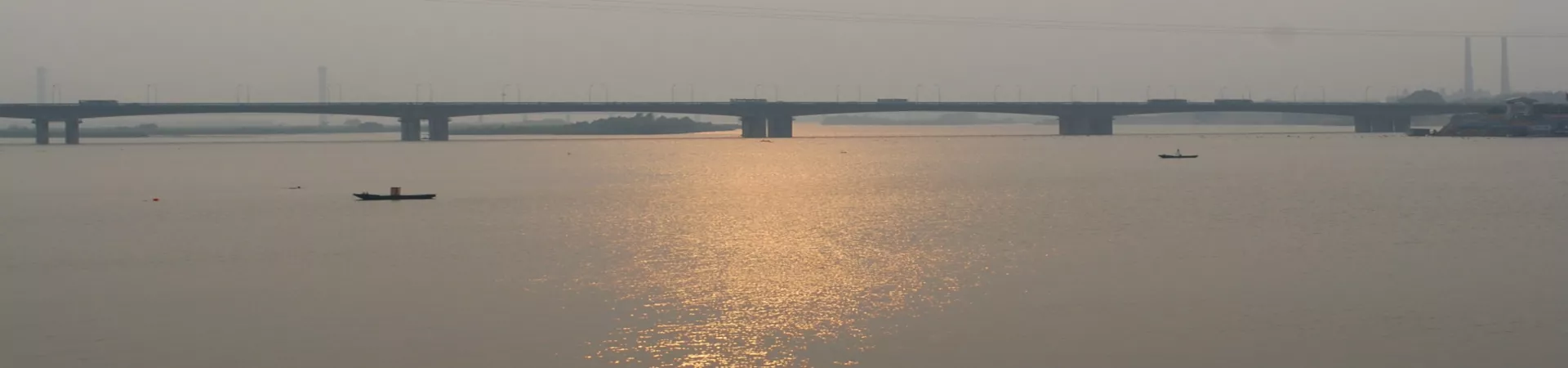
Subtitle: A Journey Through Time: Exploring Xiangyang's Ancient City Wall and Moat
Introduction: The Unyielding Sentinel of Central China
Standing as a monumental testament to China's enduring military architecture and historical turbulence, the Ancient City Wall and its accompanying Moat in Xiangyang, Hubei Province, form one of the most formidable and well-preserved ancient defense systems in the country. Often hailed as the "Iron-Walled Xiangyang," this complex is not merely a relic but the very soul of the city, having silently witnessed over two millennia of dynastic rises and falls, epic sieges, and the relentless flow of the Han River. Unlike many fragmented ruins, Xiangyang's wall offers a remarkably complete circuit, allowing visitors to literally walk along the same ramparts where generals once strategized and soldiers stood guard, providing an immersive, tangible connection to a profound historical narrative.
1. Historical Significance: The Strategic Keystone
1.1. A Legacy Forged in Stone and Warfare The wall's origins trace back to the Western Han Dynasty (206 BCE – 9 CE), with its foundational structure established over 2,800 years ago. However, its legendary status was cemented during the protracted and brutal Xiangyang–Fancheng Campaign (1267–1273) of the Mongol–Song wars. For six grueling years, the city's defenders, utilizing this incredibly robust fortification, held back the overwhelming forces of Kublai Khan. This epic resistance significantly delayed the Mongol conquest of Southern Song China, making the wall a symbol of tenacious defense and altering the course of Chinese history. Subsequent dynasties, especially the Ming (1368–1644), invested heavily in expanding and reinforcing the structure with large, uniform blue bricks, giving it the majestic form we see today.
1.2. Architectural Evolution and Dynastic Imprint Each layer of brick and stone tells a story of architectural adaptation. The current wall, stretching approximately 7.3 kilometers in a trapezoidal shape, primarily reflects Ming-era military engineering genius. The meticulous construction allowed it to withstand not only assaults but also the natural floods of the adjacent Han River. Key historical figures, from the legendary strategist Zhuge Liang of the Three Kingdoms period, who is said to have used Xiangyang as a base, to the generals of the Song and Ming dynasties, are all intrinsically linked to this site, their stories echoing from its watchtowers.
2. Architectural Marvel: Deconstructing the Defense
2.1. The Moat: China's Premier City Trench Encircling the wall is the majestic moat, renowned as the "Number One Moat under Heaven." With an average width of 180 meters and reaching up to 250 meters at its broadest, it is unparalleled in scale among Chinese ancient city moats. Originally a critical defensive barrier, it was fed by the Han River, creating a massive watery obstacle for any invading army. Today, its serene, mirror-like waters reflect the ancient battlements, creating breathtaking vistas and serving as a venue for boat tours that offer a unique, low-angle perspective of the wall's imposing grandeur.
2.2. The Wall Structure: A Masterclass in Fortification The wall itself rises to a height of around 10 meters, with a thickness at the top wide enough for five horses to run abreast. Its strategic design includes several sophisticated elements: * Battlements and Parapets: The crenellated parapets provided essential cover for archers and defenders. * Gate Complexes: The six main city gates (like Zhaoming, Gongchen, and Linhan) were engineering feats in themselves. Each was a fortified complex with barbicans, watchtowers, and multiple portcullises, designed to trap and confuse enemies who breached the outer door. * Watchtowers and Barbicans: Strategically placed towers allowed for flanking fire along the wall's length. The barbicans, or enclosed outer gateways, formed deadly kill zones.
2.3. Key Preserved Sections and Gates Walking the wall, several sections stand out. The "Long Wall" section near the Han River offers sweeping views. The Zhongxuan Tower area provides insight into the architectural complexity. The best-preserved gate, Chaoyang Gate, with its majestic barbican, serves as a primary access point and a powerful example of medieval military gatehouse design.
3. The Visitor Experience: Walking Through History
3.1. The Scenic Perimeter Walk The primary activity is walking or cycling along the broad top of the wall. This leisurely stroll transports visitors back in time, offering panoramic views of the juxtaposition of ancient architecture and the modern city skyline. The path is especially enchanting at sunset, when the warm light bathes the ancient bricks in a golden glow, and in the evening, when the walls and towers are artistically illuminated.
3.2. Museums and Cultural Insights Embedded within the wall structure or nearby are key cultural sites: * The Xiangyang Museum: Located just outside the wall, it houses a vast collection of artifacts excavated from the region, including ancient weapons, pottery, and documents that contextualize the wall's history. * The City Wall Museum: Situated within the Ming-era Fu-style building near the wall, it delves specifically into the construction techniques, archaeological findings, and military history of the fortifications themselves.
3.3. Activities and Seasonal Highlights Beyond walking, visitors can: * Take a boat tour on the moat for a different vantage point. * Participate in seasonal cultural festivals or light shows held on the wall grounds. * Explore the adjacent Xiangyang Ancient City area inside the walls, with its traditional streets, shops, and local snacks, completing the historical immersion.
4. Practical Information for Planning Your Visit
4.1. Location and Accessibility Xiangyang Ancient City Wall is situated in Xiangcheng District, Xiangyang City, Hubei Province. The city is well-connected by high-speed rail (to Xiangyang East Station) and expressways. From the city center, the wall is easily accessible by taxi, public bus, or even on foot.
4.2. Ticketing and Opening Hours The wall has multiple access points, each with ticket offices. A general admission ticket typically covers entry to the wall walk and key gates. It is advisable to check for combined tickets that include museum entry. Operating hours are generally from 8:00 AM to 6:00 PM, with extended hours for night illumination viewing in certain sections.
4.3. Recommended Touring Tips * Allocate at least 3-4 hours to fully appreciate a walk along a significant section, visit a gate complex, and explore a museum. * Wear comfortable walking shoes, as the path, while well-maintained, involves considerable distance. * Consider visiting either early in the morning or later in the afternoon to avoid peak crowds and heat. * Engaging a licensed tour guide at the site is highly recommended to fully unlock the strategic significance and historical anecdotes of each segment and tower.