Linhan Gate
Subtitle: A Journey Through Time at Xiangyang's Ancient Water Gate
1. Introduction: The Riverside Sentinel
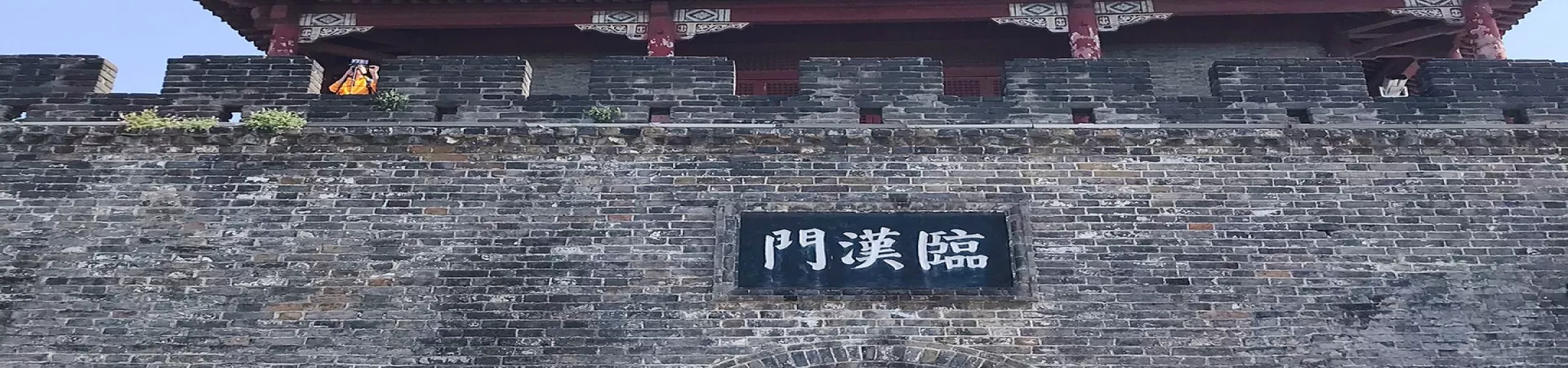
Standing solemnly on the northern banks of the Han River in Xiangyang City, Hubei Province, the Linhan Gate is far more than an ancient architectural relic; it is a stone-and-wood chronicle of Chinese military history and a profound symbol of resilience. As the sole surviving water gate of the illustrious Xiangyang City Wall—a fortification system famed for its near-impregnability throughout the Song and Yuan dynasties—this gate offers visitors a rare, tangible portal into a past defined by strategic brilliance and epic sieges. Unlike grand palaces or tranquil gardens, Linhan Gate speaks of a city's steadfast spirit, its very structure echoing with tales of defense, diplomacy, and daily life centered around the vital artery of the Han River. A visit here is not merely sightseeing; it is an immersive step onto the historic stage where the fate of empires was often decided.
2. Historical Significance: The Key to Xiangyang's Defense
2.1. Strategic Role in the City Fortifications The significance of Linhan Gate is inextricably linked to the legendary Xiangyang City Wall. During the Southern Song Dynasty (1127–1279), Xiangyang, alongside its sister city Fancheng across the river, formed a critical defensive bulwark against northern invasions. The city wall, renowned for its strength and sophistication, was a masterpiece of medieval military engineering. Linhan Gate served as a crucial node in this system. As a water gate, it controlled access to the city from the Han River, regulating the flow of people, goods, and military supplies. Its design allowed for both commerce in times of peace and secure lockdown during conflicts, making it a linchpin in the city's survival during prolonged sieges, most notably the decades-long Mongol assault.
2.2. Witness to the Mongol-Yuan Wars Linhan Gate's most defining historical moment came during the protracted Xiangyang-Fancheng campaign (1267–1273), one of the longest and most pivotal sieges in world history. For six years, the defenders of Xiangyang, led by formidable generals, held out against the overwhelming forces of Kublai Khan. The gate, facing the river, would have been a hive of activity and a point of vulnerability, requiring constant vigilance. Its survival through this period, while the city ultimately fell due to the introduction of powerful counterweight trebuchets, underscores its robust construction. The gate stands today as a silent witness to this epochal struggle, which directly led to the collapse of the Southern Song Dynasty and the establishment of the Yuan Dynasty.
3. Architectural Features and Layout
3.1. Structure and Design Philosophy The architecture of Linhan Gate is a testament to pragmatic, defense-first engineering combined with classical Chinese aesthetic principles. The gate complex primarily consists of a massive, arched gateway built directly into the thick city wall, allowing boats to pass beneath. Above this water passage sits a formidable gate tower (chenglou). This multi-story wooden structure, with its overhanging eaves and traditional dougong bracket system, served as a command post, observation tower, and defensive stronghold. The design seamlessly integrates the gate with the towering ramparts, creating a unified defensive front. The use of large stone foundations, grey bricks, and sturdy timber reflects the no-nonsense military architecture of the frontier, yet the upward-curving roofs impart a sense of dignified grandeur.
3.2. The Gate Tower and Battlements Ascending to the gate tower rewards visitors with the perspective of a Song dynasty sentinel. The interior, though often austere, houses exhibitions on the city's history. The real spectacle lies outside: walking along the adjacent battlements offers breathtaking, panoramic views of the modern Han River, juxtaposed with stretches of the restored ancient wall snaking across the landscape. Looking north from the tower, one can envision the historical vista—a bustling riverine port during peace and a controlled military zone during war. The architectural details, from the arrow slits (shechuang) to the machicolations, clearly illustrate its primary function in repelling attackers from both land and water approaches.
4. Visitor Information and Experience
4.1. Practical Details for Planning Your Visit To ensure a smooth and enriching visit, please note the following practical information. The operational details are subject to change, and visitors are strongly advised to verify conditions prior to their trip.
4.1.1. Admission Tickets: Access to the Linhan Gate and its associated sections of the city wall typically requires an admission ticket. A standard ticket fee is applied, and it is often included in a combined pass for multiple historical sites in Xiangyang. It is crucial to check the latest pricing and ticket policy directly with the scenic area management, as offerings may vary seasonally or for special exhibitions.
4.1.2. Opening Hours: The site is generally open to the public daily. The published operating hours are from 08:00 to 17:30. These hours are consistent throughout the year, from January 1st to December 31st, Monday through Sunday. However, this schedule is for reference only. Opening times may be adjusted due to weather conditions, maintenance activities, or official events. Therefore, confirming the exact hours on the day of your intended visit is essential to avoid disappointment.
4.2. Immersive Activities and Surroundings A visit to Linhan Gate is best enjoyed as part of a broader historical exploration. Walking along the restored wall sections from the gate provides a tangible sense of the fortress's scale. The surrounding area, including the riverside park, is popular for leisurely strolls, especially in the evening when the gate and walls are beautifully illuminated. Combining the visit with a trip to the nearby Xiangyang Museum can provide deeper contextual understanding, while a boat ride on the Han River offers the unique, classic view of the gate from the water—the same view shared by traders and admirals centuries ago. The contrast between the ancient stone and the modern city skyline across the river creates a powerful dialogue between past and present, making Linhan Gate an unforgettable highlight of any journey to central China.