Gulongzhong
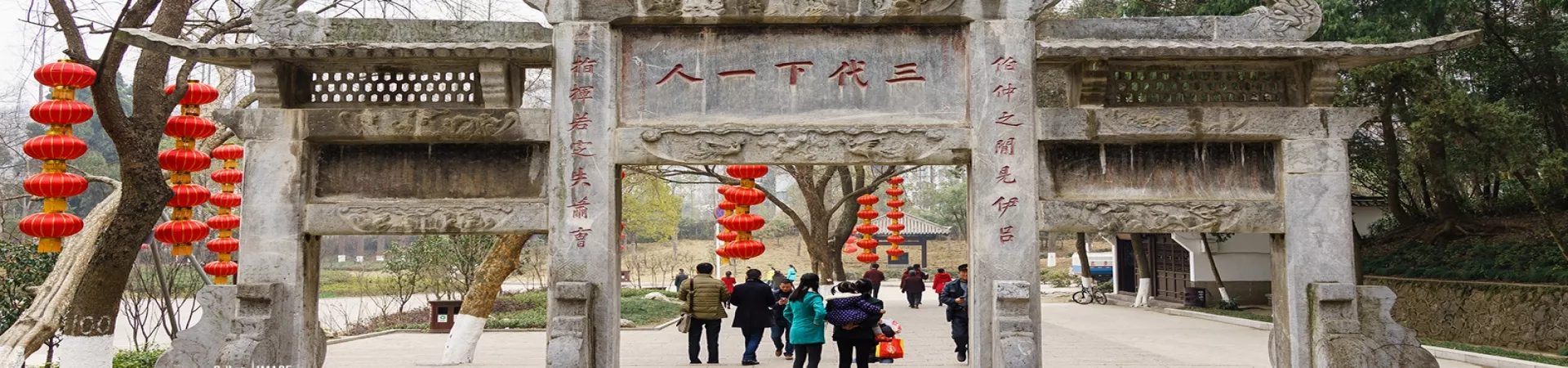
A Journey to the Cradle of a Legend: Visiting Zhuge Liang's Ancient Retreat
Nestled in the serene hills approximately 15 kilometers west of Xiangyang City in Hubei Province, lies Gǔ Lóng Zhōng—a name that resonates deeply within Chinese history and culture. Far more than a simple scenic area, this is hallowed ground, the very place where one of China's most revered figures, Zhuge Liang, spent his formative years in reclusive study before altering the course of a nation. For any visitor with an interest in the epic history of the Three Kingdoms period, a pilgrimage to Ancient Longzhong is essential. It is here that the threads of brilliant strategy, enduring loyalty, and political philosophy were woven into the tapestry of Chinese legend, at the humble thatched cottage where the future Prime Minister of Shu Han awaited his destiny.
The Historical Heart: Zhuge Liang and the Three Kingdoms Era
To understand Longzhong's significance, one must understand the man it nurtured. Zhuge Liang (181–234 AD), styled Kongming, is a polymath figure who embodies the Confucian ideal of the scholar-statesman. A master strategist, inventor, administrator, and diplomat, his intellect and unwavering integrity have been celebrated for nearly two millennia. During the tumultuous era following the collapse of the Han Dynasty, when the land was divided into three warring states—Wei, Shu, and Wu—Zhuge Liang chose these quiet woods and valleys as his place of cultivation, away from the chaos of the world.
The Legacy in the Landscape: Key Sites and Stories
The entire area of Ancient Longzhong is a living museum, with each site commemorating a chapter from this foundational story. The layout encourages a contemplative walk through history, allowing visitors to follow in the footsteps of both the recluse and his illustrious visitors.
The Thatched Cottage (Máo Lú) This simple reconstruction is the spiritual core of Longzhong. It represents the humble dwelling where Zhuge Liang lived, farmed, read, and discussed affairs with like-minded friends. Its profound importance stems from the legendary event that transpired here: the Three Visits by Liu Bei. Liu Bei, a nobleman fighting to restore the Han Dynasty and later the founding emperor of the State of Shu, heard of Zhuge Liang's genius. In a supreme act of sincerity and determination, he journeyed to this cottage three times to petition the recluse to join his cause. This story, known as "Liu Bei's Three Calls at the Thatched Cottage," is a cornerstone of Chinese folklore, symbolizing the value placed on genuine respect for talent and wisdom.
The Longzhong Dialogue Platform It was during the third visit, within or near this cottage, that Zhuge Liang presented his masterful analysis of the empire's situation to Liu Bei. This conversation, immortalized as the "Longzhong Dialogue" or "Longzhong Dui," outlined a grand strategy for Liu Bei to secure a base of power and ultimately contend for supremacy. The platform today marks the spot where this pivotal strategic blueprint, which would guide the Shu state for decades, was first unveiled. Standing here, one can almost feel the weight of the discussion that shaped a kingdom's fate.
Wuhou Temple Dedicated to Zhuge Liang, who was posthumously granted the title "Marquis Wu" (Wuhou), this temple complex is the architectural centerpiece. Built during the Ming Dynasty and expanded in the Qing, its halls house statues of Zhuge Liang, Liu Bei, and other key figures. The atmosphere is one of reverence, with ancient cypress trees, inscribed steles, and couplets praising the Marquis's loyalty and wisdom adorning the spaces. It is a place for quiet reflection on his immense legacy.
Sanshu Hall & The Longzhong Stele Forest Sanshu Hall specifically commemorates the Three Visits, with murals and exhibits detailing the story. Nearby, the Stele Forest contains a collection of stone tablets from various dynasties, inscribed with poems, commentaries, and calligraphy by scholars and officials paying homage to Zhuge Liang through the ages, testifying to his enduring influence on Chinese thought and leadership.
Planning Your Visit: Practical Information for the Modern Traveler
While steeped in ancient history, Ancient Longzhong is a well-maintained scenic area that caters to contemporary visitors, offering both educational depth and natural beauty.
Admission and Fees The standard admission covers access to the main historical sites. A combined ticket including round-trip shuttle transport within the extensive grounds is highly recommended for convenience. * Combo Ticket (Admission + Shuttle): Adult: 87 RMB; Concession: 53 RMB. * Concession Eligibility: Minors with height between 1.2m and 1.4m; seniors aged 60-69 with valid ID; full-time undergraduate students and below with valid student ID. * Free Admission: Children under 1.2m; seniors aged 70 and above with valid ID; active-duty military personnel and individuals with disabilities with valid certificates. * Note: All information is for reference. Please confirm the latest prices and policies at the ticket office on the day of your visit.
Operating Hours The scenic area is generally open from 8:30 AM to 5:30 PM daily, with last entry at 4:30 PM. It is advisable to allocate a minimum of three hours for a thorough visit, though history enthusiasts may wish to spend half a day or more exploring the pavilions, halls, and tranquil paths at a leisurely pace. Always verify the exact opening hours before your trip, as they may be subject to seasonal adjustments.
Location and Contact Ancient Longzhong is located in Xiangyang District, Xiangyang City, Hubei Province. For any specific inquiries, you may contact the scenic area at 0710-3591656.
A trip to Ancient Longzhong is more than a sightseeing tour; it is an immersion into a foundational narrative of Chinese civilization. It offers a unique opportunity to connect with the historical reality behind the legends, to walk the same paths as Zhuge Liang and Liu Bei, and to ponder the timeless virtues of wisdom, patience, and dedication that continue to inspire millions. The serene environment, filled with the whispers of history, provides a perfect backdrop for understanding why this secluded spot was chosen for contemplation and how it ultimately became a cradle for world-changing ideas.