Liu Gong Island
Subtitle: A Comprehensive Guide to Liugong Island: Where History Meets Natural Splendor
1. Introduction: The Pearl of Weihai Bay Nestled like a radiant pearl within the embrace of Weihai Bay on the Shandong Peninsula, Liugong Island stands as a destination of profound historical significance and breathtaking natural beauty. Located just 2.1 nautical miles from downtown Weihai, this 3.15-square-kilometer island stretches 4.08 km from east to west, with its widest north-south point spanning 1.5 km. Its terrain is crowned by Qiding Mountain, the highest point at 153.5 meters above sea level. Historically, its strategic location has earned it the formidable titles "Bulwark of the Eastern Seas" and "Unsinkable Warship," marking it as a crucial military stronghold for centuries. Today, however, it is equally celebrated as a serene escape, often called a "Fairyland on the Sea" or an "Earthly Paradise," offering visitors a unique blend of poignant history and rejuvenating scenery.
2. A Tapestry of Natural Wonders 2.1. An Ecological Sanctuary Liugong Island is a verdant oasis, boasting a remarkable forest coverage rate of 87%. This lush environment led to its designation as China's first National Maritime Forest Park. The island's flora creates a vibrant, green tapestry that changes with the seasons, providing habitats for diverse bird species and a sense of tranquil seclusion.
2.2. A Mild Maritime Climate The island enjoys a distinct and pleasant maritime climate, characterized by warm winters and cool summers. With an annual average temperature around 12°C (53.6°F), it presents an ideal destination for escaping summer heat or enjoying a mild winter retreat. This comfortable climate makes it perfect for year-round exploration, leisurely holidays, and wellness getaways.
3. The Heart of History: From Ancient Times to Modern Memory Liugong Island is, above all, a living museum of modern Chinese history, forever etched into the national consciousness.
3.1. The Cradle and Battleground of the Beiyang Fleet The island served as the headquarters and primary naval base for the Qing Dynasty's Beiyang Fleet, China's first modern navy. It was from here that the fleet sailed to its tragic fate in the First Sino-Japanese War (1894-1895). The island itself became a pivotal battlefield, and the scars and monuments of that era remain deeply evocative.
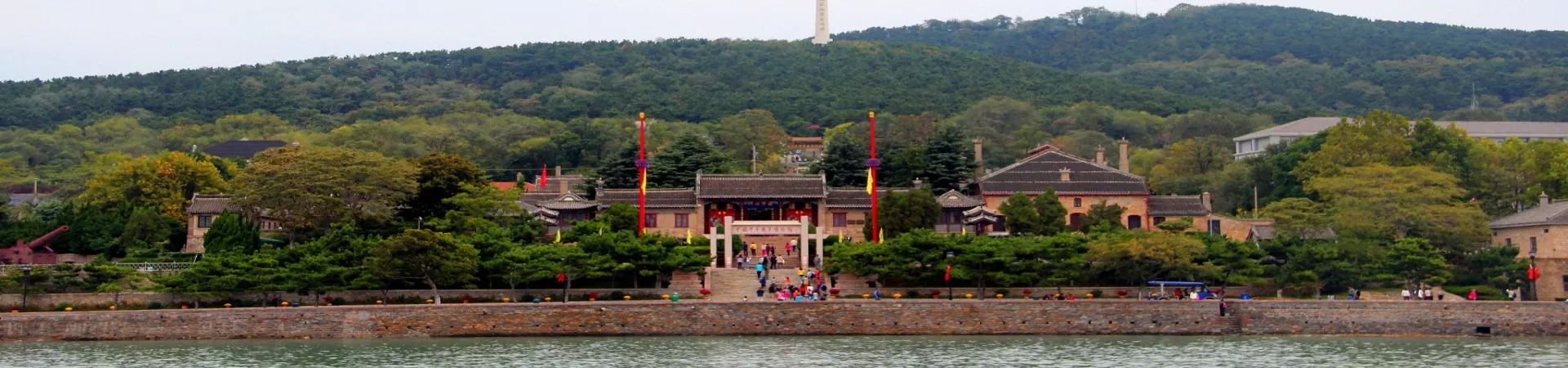
3.2. Key Historical Sites and Museums 3.2.1. The Beiyang Naval Office (Admiralty) This well-preserved complex of government offices was the nerve center of the fleet. Walking through its courtyards and halls offers a tangible connection to the ambitions and ultimate tragedy of this historical chapter.
3.2.2. The Sino-Japanese War Museum A must-visit for any history enthusiast, this comprehensive museum provides detailed historical context, artifacts, and exhibitions that narrate the story of the war, the fleet, and its lasting impact on China.
3.2.3. Historic Fortifications The island is dotted with well-preserved ancient fortresses and artillery batteries, such as the Donghong Fort Exhibition Hall. These structures, including the iconic Iron Pier, silently testify to the island's long-standing military importance.
3.3. Layers of Cultural Heritage History on Liugong Island is multi-layered. Artifacts date back to the Warring States Period (over 2,000 years ago). Furthermore, the period of British colonial lease in the early 20th century left behind a collection of charming European-style architectural relics, adding another unique facet to the island's cultural landscape. The island is also famously referenced as one of the "Seven Sons" in the patriotic poem by renowned scholar Wen Yiduo, symbolizing territories lost to foreign powers.
4. Practical Visitor Information 4.1. Getting There Access to Liugong Island is exclusively by ferry. Visitors must first reach the Liugong Island Passenger Terminal in Weihai. * By Public Bus: Take Weihai public bus route 10 to "Weihai No.2 Middle School North Campus" stop, or take K8 to "Liugong Island Tourist Wharf" stop, and walk to the passenger terminal. * By Taxi/Rideshare: A convenient option directly to the terminal.
4.2. Tickets and Operating Hours * Operating Hours: 07:30 - 17:30 daily, with last entry at 15:00. * Standard Ticket: The basic ticket price is approximately 122 RMB. This typically includes round-trip ferry transfer and entry to the main island scenic area and core historical sites (like the Naval Office and War Museum). Always confirm inclusions at the ticket counter. * Free Admission: Children aged 6 and under, or those with a height of 1.2 meters and below, generally receive free ferry and scenic area entry. * Additional Attraction Fees: Several popular optional experiences require separate tickets: * Cable Car (round-trip): ~60 RMB * Island Circumnavigation Boat Tour: ~60 RMB * Submarine Exhibit: ~30 RMB * Sightseeing Bus Route 1 (may include Submarine Exhibit): ~60 RMB
4.3. Suggested Itinerary and Attractions A full day (approximately 6-8 hours) is recommended to appreciate the island adequately. Key attractions to plan for include: * Liugong Island National Forest Park: For hiking and nature immersion. * The Beiyang Naval Office & Sino-Japanese War Museum: The historical core. * Liugong Island Expo Garden: Showcasing broader cultural and historical themes. * Donghong Fort and other ancient batteries: For panoramic views and military history. * The Rare Animal Zoo: A family-friendly option. Visitors can explore on foot, by the sightseeing bus, or via the cable car for elevated views.
4.4. Contact Information For the most current information, especially regarding weather-related ferry schedules, it is advisable to contact the official terminal: * Telephone: 0631-5205128; 0631-5287807
Information last updated: September 25, 2023. Details such as ticket prices and operating hours are subject to change; verification before your visit is recommended.