Dingyuan Ship Scenic Area
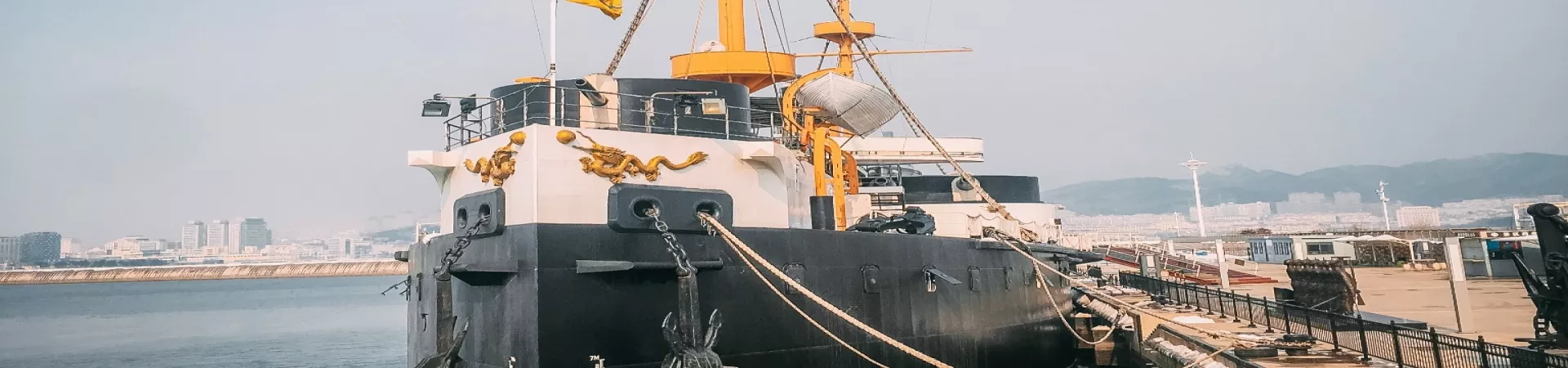
Subtitle: A Journey into Naval History: Exploring the Weihai Dingyuan Warship Scenic Area
1. Introduction to the Dingyuan Warship Scenic Area
Nestled within the vibrant urban heart of Weihai, a picturesque coastal city in Shandong Province, lies a powerful tribute to China's modern naval history: the Dingyuan Warship Scenic Area. The centerpiece of this immersive attraction is a full-scale, meticulously detailed replica of the "Dingyuan," the flagship of the Beiyang Fleet during the late Qing Dynasty. This isn't merely a static museum piece; it is a portal to a pivotal era, offering visitors a tangible connection to the triumphs and tragedies of China's first modern navy. The site serves as both an educational monument and a place of reflection, where the echoes of the past resonate powerfully against the backdrop of Weihai's serene seaside setting.
2. The Historical Significance of the Dingyuan
2.1. The Flagship of an Era The original Dingyuan was a formidable ironclad battleship, among the most advanced warships of its time when commissioned in the 1880s. As the flagship of Admiral Ding Ruchang, it symbolized the Qing government's ambitious, albeit ultimately troubled, efforts to modernize its naval defenses through the Self-Strengthening Movement. The Dingyuan represented national pride and military aspiration.
2.2. Witness to the First Sino-Japanese War The replica commemorates the vessel's crucial role in the First Sino-Japanese War (1894-1895), particularly the pivotal Battle of the Yalu River. As the fleet command center during this intense naval engagement, the Dingyuan was at the forefront of China's struggle. Its story is intrinsically linked to this conflict, which dramatically altered the geopolitical landscape of East Asia. While the storms of war have long subsided, the history embodied by this ship continues to stir deep reflection on national destiny, resilience, and memory.
3. Exploring the Full-Scale Replica
3.1. Authentic Design and Layout The replica is constructed with rigorous attention to historical accuracy based on original blueprints and records. Visitors can walk its decks and explore its interior spaces, gaining a genuine sense of the ship's immense scale and powerful presence. The experience is designed to transport you back to the 1890s, from the commanding bridge to the crew quarters below.
3.2. Immersive Exhibits and Artifacts Throughout the warship, detailed exhibits bring daily life and naval operations to life.
3.2.1. Armaments and Military Technology Key features include replicas of the ship's primary and secondary artillery, torpedo launchers, and rapid-fire guns. Informative displays explain the capabilities and mechanics of this late-19th-century naval technology, allowing visitors to appreciate the ship's formidable firepower.
3.2.2. Life on Board Carefully recreated quarters, including the officers' cabins, sailors' berthing areas, galley, and infirmary, are furnished with period-appropriate items. These spaces showcase the practical daily essentials, uniforms, and personal effects used by the crew, highlighting the human element within the iron hull.
3.2.3. The Surround-Dome Theater A highlight of the visit is the onboard surround-dome theater. Here, high-quality documentary footage and cinematic recreations are used to dramatize key historical events, including naval battles and life aboard the historic fleet. This audio-visual experience provides powerful context and emotional depth to the physical surroundings.
3.2.4. Historical Documents and Archives The scenic area also houses a collection of valuable historical documents, photographs, and archival materials related to the Beiyang Fleet, the Dingyuan, and the First Sino-Japanese War. These artifacts offer scholars and enthusiasts alike a deeper, research-based understanding of the period.
4. Practical Visitor Information
4.1. Location and Transportation The scenic area is conveniently located in Weihai's city center, at Haigang Dasha (Seaport Mansion). Accessible public transportation options include: * From Weihai Railway Station or Long-Distance Bus Station: Take Bus No. 1 and alight at "Haigang Dasha" station. The attraction will be on your right. * From within the city: Multiple bus routes (including 1, 7, 9, 13, 16, 17, 22, 23, 24, 26) stop at "Haigang Keyunzhan" (Seaport Passenger Terminal). The site is a short walk from this stop.
4.2. Opening Hours * Operating Hours: 8:00 AM - 5:30 PM daily. Last admission is at 5:30 PM. * It is always advisable to confirm the latest schedule before your visit, as times may be subject to change for maintenance or special events.
4.3. Suggested Duration of Visit To thoroughly explore the decks, internal exhibitions, watch the theater presentation, and examine the archival displays, a visit typically takes between 1.5 to 3 hours. This allows for a comfortable and comprehensive experience without feeling rushed.
Information last updated: July 28, 2023. Credit and thanks to contributor Xiao Haimo for editorial input.