Yalu River Border Railway Bridge
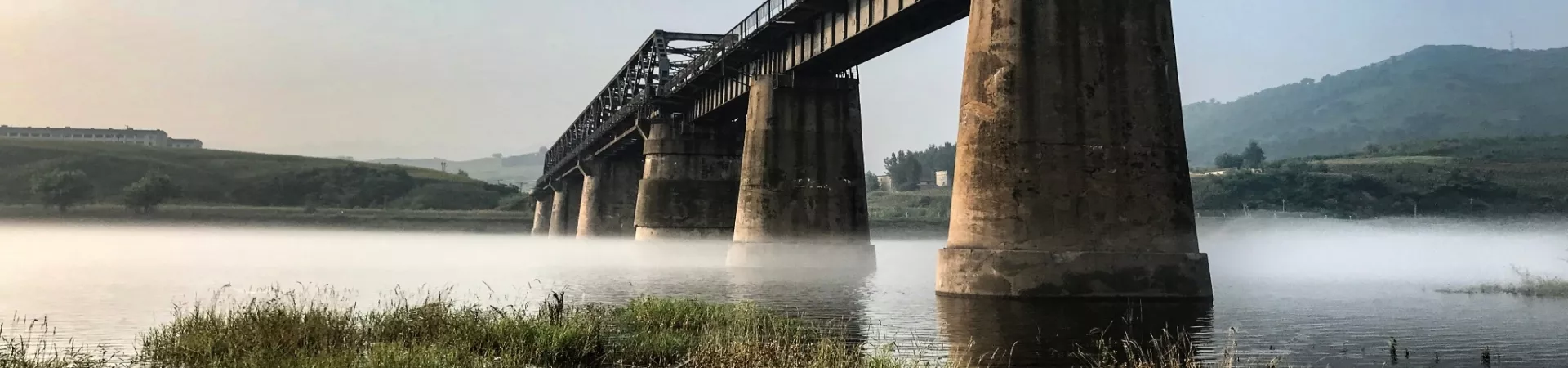
Subtitle: A Journey Through History: Exploring the Yalu River Border Railway Bridge in Tonghua, China
Introduction
Nestled in the northeastern region of Jilin Province, the city of Tonghua serves as a gateway to one of modern Chinese history's most poignant and strategically significant landmarks: the Yalu River Border Railway Bridge. This structure is far more than a mere physical connection between China and the Democratic People's Republic of Korea (DPRK); it is a silent witness to decades of geopolitical shifts, wartime tribulation, and enduring, complex neighborly relations. For the discerning visitor, a trip to this site offers a profound, tangible connection to the mid-20th century, set against the dramatic backdrop of the winding Yalu River. The experience is not one of typical leisure but of reflective exploration, where the rusting steel and preserved sections of the bridge tell a story that history books can only summarize.
1. Historical Context and Significance
1.1. The Bridge's Role in the War to Resist U.S. Aggression and Aid Korea The primary historical weight of the Yalu River Border Railway Bridge stems from its critical role during the War to Resist U.S. Aggression and Aid Korea (1950-1953). As the most vital transportation artery linking China with the Korean Peninsula, it was dubbed the "lifeline of the war." Across its span rolled a continuous stream of Chinese People's Volunteers troops, military supplies, food, and medical aid heading into the DPRK. Conversely, it facilitated the transport of wounded soldiers back to China. Its strategic importance made it a prime target for relentless bombing campaigns by opposing forces, leading to severe damage. Standing on the bridge today, one can almost hear the echoes of whistling trains and distant aircraft, a sobering reminder of the immense cost and fierce determination of that era.
1.2. Architectural Testament and Symbolic Divide Constructed initially in the 1930s during the Japanese occupation period, the bridge represents the industrial engineering of its time. Following the war, the bridge was repaired, but its history is visibly etched into its structure. The most striking visual testament to its past is its present state: the bridge is severed. The Chinese side has been preserved and maintained as a historical monument and tourist site, while the connecting spans on the Korean side remain mangled and unrepaired since the war, a permanent, physical representation of the conflict's aftermath and the ongoing political division. This stark contrast is the bridge's most powerful feature, offering a unique perspective on how history is remembered and presented by neighboring nations.
2. Practical Visitor Information
2.1. Location and Access The Yalu River Border Railway Bridge is located in the vicinity of Tonghua City, near the border town of Ji'an (note: visitors should confirm the precise location as "Yalu River" bridges exist in several border cities; the most famous war-era bridge is in Dandong. The Tonghua/Ji'an area has significant related sites). It is easily accessible by road from Tonghua. Most visitors opt for a guided tour or private car hire to reach the site, as it allows for contextual narration of the history and scenery en route.
2.2. Opening Hours and Admission The site operates on a fixed schedule for visitors. It is open daily from 8:30 AM to 4:30 PM. It is crucial to note that the last admission is at 4:30 PM, so planning an arrival well before this cutoff is essential to ensure adequate time for exploration. The site is open year-round, including weekends and public holidays, maintaining the same schedule from January 1st to December 31st.
2.3. Ticketing and Special Exemptions Standard admission fees apply for general visitors. However, there are specific provisions for certain groups: * Tour Guides: Temporary tour guide certificates are valid for free admission only when the guide is actively leading a tour group. This exemption is not for personal visits. * Religious Personnel: Individuals with recognized religious credentials (e.g., clergy, monks, nuns) are eligible for free admission upon presenting their relevant official identification. Prospective visitors are advised to verify the current standard ticket price and any additional exemption policies through official channels or their tour operator before their visit.
3. The Visitor Experience
3.1. Walking the Historic Span The core experience involves walking onto the preserved Chinese section of the railway bridge. The wooden planks laid over the original railway ties creak underfoot, and the original steel trusses tower overhead. Informational plaques in Chinese and English detail key historical events and points of interest. The walk leads you toward the midpoint of the river, right up to the point where the bridge ends abruptly, offering an unobstructed view of the severed girders stretching toward the opposite bank.
3.2. Panoramic Vistas and Reflective Moments From the bridge deck, panoramic views of the Yalu River are spectacular. The river itself is serene, often dotted with fishing boats. Looking across to the Korean side, one can observe villages and landscapes, inviting contemplation on the lives just a short distance away yet separated by history and politics. The viewing platforms are ideal spots for photography, capturing the juxtaposition of the broken bridge against the natural beauty of the river and surrounding mountains.
3.3. On-Site Museum and Exhibits Adjacent to the bridge entrance, there is typically a small museum or exhibition hall. This facility houses artifacts from the war period, including photographs, military uniforms, weapons, and personal effects of soldiers. These exhibits provide essential context, personalizing the grand historical narrative and deepening the understanding of the bridge's role. Models and maps illustrate the bombing campaigns and logistics routes, making the history more accessible.
4. Planning Your Visit: Tips and Considerations
4.1. Best Time to Visit The region experiences four distinct seasons. Autumn (September to October) is highly recommended, as the weather is cool and comfortable, and the mountain foliage along the riverbanks turns vibrant shades of red and gold, creating a stunning contrast with the industrial history of the bridge. Spring can also be pleasant, while winters are bitterly cold but offer a stark, dramatic atmosphere.
4.2. What to Bring and Wear * Footwear: Comfortable, sturdy walking shoes are mandatory, as the bridge deck can be uneven. * Weather Protection: The bridge is exposed. Bring sunscreen, a hat, and sunglasses in summer. In cooler months, wear layered clothing, a windproof jacket, and a warm hat, as winds coming off the river can be sharp. * Documentation: Always carry your passport or ID. While you will not cross the border, you are in a sensitive frontier area. * Camera and Binoculars: Essential for capturing the scene and observing details on the distant shore.
4.3. Cultural and Etiquette Awareness This is a site of national historical significance and a current border zone. Visitors should maintain a respectful and solemn demeanor. Avoid loud noises or frivolous behavior. It is strictly forbidden to attempt to communicate with individuals on the opposite bank or to throw any objects across the divide. Photography is generally allowed on the Chinese side, but always heed signs and instructions from staff regarding restricted angles, especially those pointing directly at military or sensitive installations on either side. The site is a monument to sacrifice and resilience; respectful observation is the appropriate tone.