Yalu River Border Tourist Area
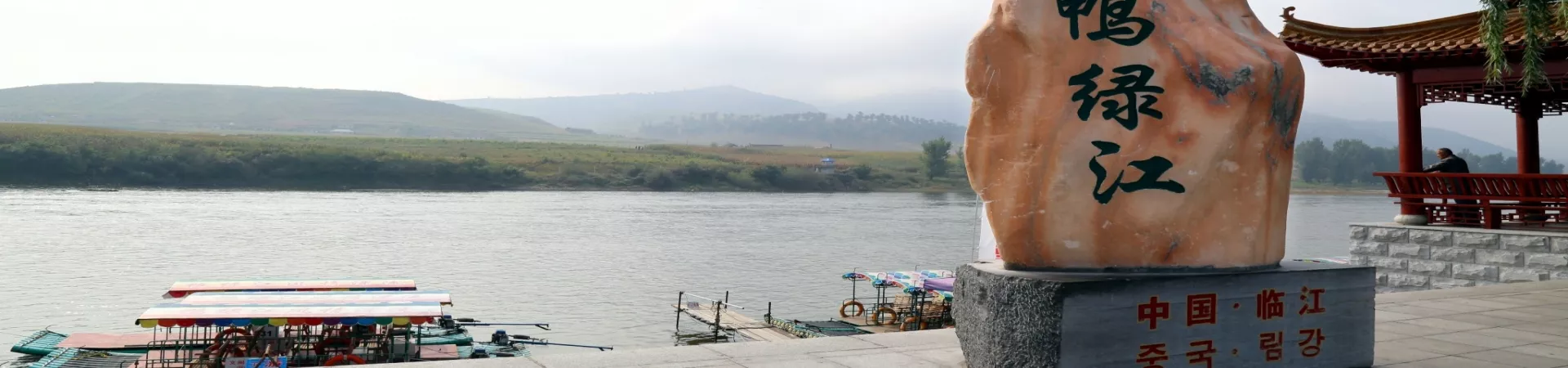
Subtitle: A Journey Through Nature, History, and Borderland Wonders
1. Introduction to the Yalu River Border Tourism Zone Nestled in the remote frontier of China, the Yalu River Border Tourism Zone is a destination of profound natural beauty and deep historical resonance. Located in Ji'an City, in the southeastern part of Jilin Province, the zone stretches along the Yalu River, which forms a serene yet powerful natural border with North Korea. This unique position as a borderland shapes every aspect of the visitor experience, offering a rare blend of dramatic landscapes, a mild climate often called the "Jiangnan of the North," and millennia-old cultural relics. It is a place where the forces of geology have carved spectacular scenery, where the river tells a story of connection and division, and where the ancient kingdom of Goguryeo left an indelible mark on the land.
2. A Tapestry of Natural Landscapes The tourism zone is a masterpiece of geological artistry, presenting a visually stunning array of landforms.
2.1 The Mighty Yalu River and Its Valley The Yalu River itself is the region's lifeline and central scenic artery. Resembling a vibrant green ribbon, it winds through the terrain, connecting scenic spots like the Yunfeng Lake and the Laohushao (Tiger哨) Reservoir into a captivating waterborne route. The river valley showcases a surprising landscape, with features more typical of southern China: lush greenery, gentle waters, and a sense of tranquil beauty. This contrast with the northern locale earns the area its nickname, "Little Jiangnan Beyond the Great Wall."
2.2 Dramatic Geological Formations Beyond the gentle valleys, the terrain rises into a spectacular display of deep-cut, eroded highland topography. Visitors are greeted by towering fault scarps—steep, triangular cliff faces that plunge directly towards the river—and imposing granite cliffs and forested peaks that project an aura of majestic grandeur. The landscape is further adorned with river beaches, sandbars, and picturesque river islands.
2.3 Caves, Cliffs, and Forested Peaks For the adventurous, the zone boasts fascinating karst formations like the Guodong Large Corrosion Cave Group. Sites such as the Tongtian Cave, Xiangsi'ai (Love Yearning), the Triangular Sky Cliff, and the Great Guanyin Cave feature perilous cliffs and intriguing caverns. Complementing this ruggedness is the Jade Maiden Peak Forest Park, a haven of serenity where clear springs, cascading waterfalls, and deep, emerald-green ponds are scattered throughout the forest. The water here is famously pure, sweet, and refreshing.
3. The Unique Border Experience The Yalu River's role as an international boundary provides a unique dimension to the tourism zone, found in few other places.
3.1 "One Step Across Two Countries" The most iconic experience here is the palpable sense of standing between two nations. The river serves as the border, creating "boundary" features at every turn: the boundary river itself, boundary lakes, bridges, and dams. At specific points, visitors can literally stand with one foot metaphorically in each country, a symbolic gesture that offers a special and contemplative feeling.
3.2 Scenic Voyages along the Border To fully appreciate this unique setting, a boat tour on the Yalu River is essential. These voyages provide unparalleled views of both the Chinese and North Korean shorelines, allowing visitors to "gaze upon" the neighboring country from the water. The perspective of the towering cliffs and peaceful villages from the river is unforgettable.
4. Delving into the Goguryeo Historical Legacy Ji'an was once the heart of the ancient Goguryeo Kingdom (37 BC – 668 AD), and the tourism zone is an open-air museum of this UNESCO World Heritage-listed culture.
4.1 Capital Cities and Mountain Fortresses The zone contains the remains of the kingdom's second capital, Guonei City, which served as its political, economic, and cultural center for 425 years. Nearby, perched on a mountain for defense, lies Wandu Mountain City, the largest surviving ruins of a Goguryeo-era city. This fortress complex offers insight into the military and architectural prowess of the kingdom.
4.2 The "Eastern Pyramid" and the Giant Stele The most striking individual monuments are the General's Tomb and the Haotai Wang Stele. The General's Tomb, an imposing step-pyramid structure made of giant stone blocks, is often called the "Eastern Pyramid" for its resemblance to the Mesoamerican monuments and its unique place in Northeast Asian history. The Haotai Wang Stele is a massive stone monument erected in 414 AD to commemorate the achievements of King Gwanggaeto the Great. It is the largest such inscribed stele from its era in China, its text providing invaluable historical records.
4.3 The Vast Tomb Complexes Scattered across the area is one of the largest concentrations of Goguryeo tombs in the world, numbering nearly ten thousand. These tombs, with their elaborate murals and structural designs, offer a profound glimpse into the spiritual life, artistic achievements, and social customs of this ancient civilization, allowing visitors to deeply sense its historical depth and enduring legacy.
5. Practical Visitor Information
5.1 Transportation The tourism zone is conveniently located close to Ji'an's long-distance bus station, within a comfortable 10-20 minute walk. For easier access, local options like pedicabs or taxis are readily available and very affordable, with average fares starting around 3 RMB, depending on the exact distance.
5.2 Admission and Fees Entry to the general tourism zone and its land-based sites is free of charge. However, to experience the core attraction—the river itself—a boat tour is highly recommended. The current fee for the scenic boat ride on the Yalu River is approximately 40 RMB per person.
5.3 Opening Hours The area is generally accessible from 8:00 AM to 6:00 PM daily. The last admission is typically at 6:00 PM. These hours are consistent throughout the year, but it is always advisable to confirm locally for any seasonal adjustments or specific site hours within the zone.