Wunvfeng National Forest Park
Subtitle: A Traveler's Guide to Wunüfeng National Forest Park: Nature's Sanctuary in Jilin
Introduction: A Realm of Natural Wonders Nestled in the southeastern part of Jilin Province, Wunüfeng National Forest Park is a crown jewel of natural beauty in Northeast China. It rests upon the Laoling Mountain Range, on the southern foothills of the legendary Changbai Mountains and near the banks of the Yalu River. This strategic location gifts the park with a stunning tapestry of landscapes and a remarkably pleasant microclimate, often described as warm in winter and cool in summer. Accessible and remote in feel, the park is situated at the 22-kilometer mark of National Highway 303, approximately 83 kilometers from Tonghua City and a mere 21 kilometers from Ji'an City, making it a perfect destination for a day trip or a longer immersive retreat. As a designated National Forest Park spanning an impressive 6,867 hectares, it is a premier destination for eco-tourism, offering visitors a profound escape into a pristine, ancient forest ecosystem.
The Heart of the Forest: Flora and Fauna A Canopy of Life The most defining feature of Wunüfeng is its breathtaking forest, which blankets over 95% of the park's area. This is not a young woodland but a majestic, mature forest characterized by towering ancient trees that create a profound sense of serenity and awe. The air is fresh and fragrant, filled with the scent of pine and earth. The dense canopy is a vibrant mosaic of precious tree species, including resilient pines, graceful linden trees (Tilia), sturdy catalpas (Catalpa), and elegant white birches (Betula), all contributing to a sea of lush, dripping greenery that changes beautifully with the seasons.
A Sanctuary for Wildlife This vast, undisturbed habitat is a thriving paradise for wildlife. The park serves as a crucial refuge for various mammals and birds, whose presence, though often elusive, adds to the wilderness atmosphere. More notably, the region surrounding the park is historically celebrated as the homeland of the "Three Treasures of the Northeast" (Guan Dong San Bao): premium ginseng, precious deer antler, and luxurious marten fur. This legacy underscores the area's ecological richness and its long-standing reputation for harboring some of the most valuable natural resources in traditional Chinese culture. Exploring the trails, one is walking through a living ecosystem that has sustained such iconic species for centuries.
Landscapes and Seasonal Spectacles The Legendary Peaks and Scenic Vistas The park's name, "Wunüfeng" or "Five Maidens Peaks," originates from a cluster of five distinctive and picturesque peaks, each said to resemble the silhouette of a graceful maiden. These奇峰 (qí fēng), or unusual peaks, form the dramatic core of the park's landscape, their rugged contours standing sentinel over the lush valleys below. Hiking trails of varying difficulty wind through this terrain, leading visitors to breathtaking lookout points. From these vantage points, one can absorb panoramic views of endless rolling mountains draped in dense forest, creating vistas so stunning they are often described as a "natural fairyland" or仙境 (xiānjìng).
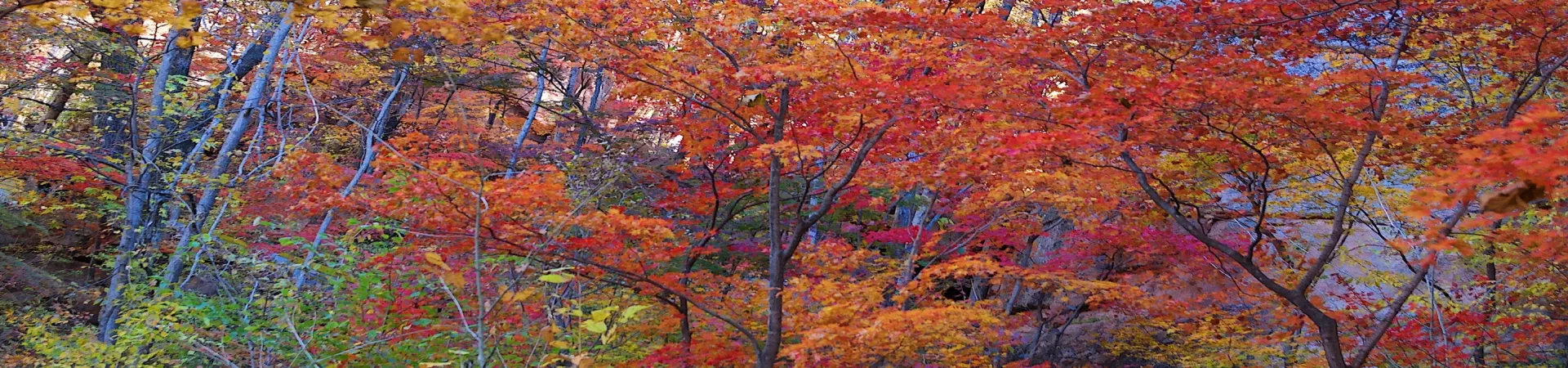
A Seasonal Color Palette The beauty of Wunüfeng is dynamic, transforming dramatically with each season. While spring brings a burst of wildflowers and fresh greenery, and summer offers a deep, cool emerald refuge, it is the autumn that truly sets the park ablaze with color. As temperatures drop, the forest undergoes a magnificent transformation. The maple trees and other deciduous varieties turn brilliant shades of scarlet, crimson, and gold. The "枫叶彤红" (fēngyè tóng hóng) – the deep, fiery red of the maple leaves – paints the mountainsides in a spectacular display, making autumn the most visually spectacular time to visit. In winter, a quiet blanket of snow covers the forest, highlighting the elegant forms of the trees and peaks and creating a serene, monochromatic wonderland.
Practical Information for Your Visit Planning Your Trip To fully appreciate the scale and beauty of Wunüfeng National Forest Park, visitors should allocate a minimum of three to four hours. This allows time for a meaningful hike on one of the main trails, leisurely photography, and simply soaking in the tranquil environment. A full day is recommended for those who wish to explore more extensively or enjoy a picnic amidst the scenery.
Admission and Operating Hours The park is open year-round to welcome visitors. The standard opening hours are from 8:00 AM to 4:00 PM daily. It is important to note that the last admission is at 3:00 PM, so planning an early arrival is advisable to ensure ample time inside. The general admission ticket is priced at 65 Chinese Yuan (RMB). For the latest information or specific inquiries, particularly regarding weather-related closures or special events, you can contact the park at 0435-6688881.
Getting There and Accessibility The park's location along National Highway 303 provides clear road access. Most visitors drive or arrange for private transportation from either Ji'an City (about a 30-minute drive) or the larger Tonghua City (roughly a 1.5 to 2-hour drive). The well-signposted route makes for a straightforward and scenic journey. While there may be limited public bus services from Ji'an, especially during peak tourist seasons, confirming schedules in advance is recommended. For international or out-of-province travelers, flying into Tonghua or arriving by train and then hiring a local car or taxi is the most efficient option.