Triangle Dragon Bay
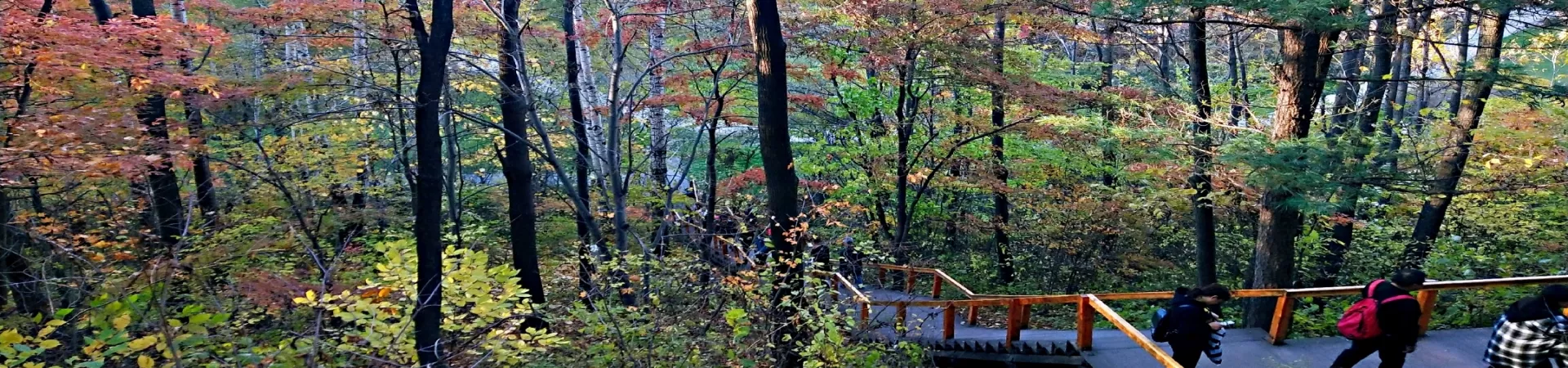
A Visitor's Guide to Sanjiaolongwan (Triangular Dragon Bay), Tonghua, China
Subtitle: Exploring the Volcanic Heart of Jilin's Longwanqun National Forest Park
Nestled within the expansive and ecologically rich Longwanqun National Forest Park in Tonghua City, Jilin Province, Sanjiaolongwan, or Triangular Dragon Bay, stands as a breathtaking testament to the region's volcanic past. It is the largest and most renowned of the park's six crater lakes, formed by massive volcanic eruptions over 600,000 years ago. This guide provides essential information and context to help you plan a fulfilling visit to this natural wonder.
1. The Geological Marvel: Origins and Landscape
1.1. A Legacy of Fire and Water Sanjiaolongwan is not merely a lake; it is a water-filled caldera. Its distinct triangular shape, which gives the bay its name, was carved by a powerful volcanic explosion in the distant past. The lake now rests within the steep, forested walls of the ancient crater, creating a dramatic and serene juxtaposition. The water is renowned for its exceptional clarity and a striking blue-green hue, a result of its depth and mineral composition. With a surface area of approximately 42.6 hectares and a maximum depth reaching over 100 meters, it is a significant body of water that dominates the landscape.
1.2. A Biodiverse Sanctuary The microclimate within and around the caldera supports a diverse ecosystem. The lush, mixed coniferous and broad-leaved forests that cloak the crater slopes are home to various bird species and small mammals. The lake itself sustains aquatic life, contributing to the overall ecological balance of the Longwanqun reserve. Visiting Sanjiaolongwan is as much a lesson in geology as it is an immersion in a pristine natural habitat.
2. Planning Your Visit: Practical Information
A smooth visit requires some practical planning. Here are the key details you need to know.
2.1. Admission and Operating Hours * Ticket Price: The entrance fee for Sanjiaolongwan is approximately 50 RMB per person. This fee typically grants access to the core viewing areas and trails around the lake. Please note that prices are subject to change, and there may be separate charges for parking or certain internal shuttle services within the larger national park. * Opening Hours: The site is open seasonally, primarily during the warmer months. The operational hours are generally from 7:00 AM to 5:00 PM daily. Last admission is usually at 5:00 PM. It is crucial to confirm the specific seasonal dates before your trip, as access is typically restricted during the winter (from late October to late April) due to heavy snow and safety concerns.
2.2. Getting There and Suggested Duration * Location: Sanjiaolongwan is located within Huinan County, under the administration of Tonghua City, Jilin Province. It is roughly a 2 to 3-hour drive from Tonghua city center. The journey itself offers scenic views of the Changbai Mountain foothills. * Recommended Visit Duration: To fully appreciate the scenery, walk the main viewing trails, and perhaps take a boat ride on the lake, a minimum of 3 hours is recommended. Many visitors choose to spend half a day or more, especially if combining the trip with other nearby lakes in the Longwanqun complex, such as Dalongwan or Erlongwan.
3. Experiencing Sanjiaolongwan: Activities and Sights
3.1. Key Vantage Points and Trails Well-maintained walking paths circumnavigate sections of the crater rim, offering ever-changing perspectives of the lake below. Key lookout platforms, such as the "Wangyue Pavilion," provide stunning panoramic views perfect for photography. The contrast between the deep blue water, the green forest, and the rugged crater walls is particularly magnificent on a clear day.
3.2. The Boat Excursion One of the highlights for many visitors is taking a boat trip on the calm waters of the lake. Gliding across the surface allows you to grasp the true scale of the crater and offers unique angles of the surrounding cliffs and foliage. The boat usually stops at a small island in the center of the lake, which features a picturesque pavilion, adding a cultural touch to the natural scenery.
4. Visitor Essentials and Tips
4.1. Best Time to Visit The ideal visiting period is from late spring to early autumn (May to October), when the weather is pleasant, the forests are vibrant, and the lake is unfrozen. Summer brings lush greenery, while autumn transforms the landscape into a brilliant canvas of red, orange, and yellow foliage.
4.2. What to Bring and Wear * Footwear: Comfortable, sturdy walking shoes with good grip are essential for the trails, which can include steps and uneven paths. * Clothing: Dress in layers, as mountain weather can be changeable. A light jacket is advisable even in summer. * Supplies: Carry drinking water, sun protection (hat, sunscreen), and insect repellent. Having some snacks on hand is also a good idea.
4.3. Contact Information For the most current information regarding weather conditions, ticket prices, or operational status, you can contact the park management using the following numbers: * Primary Contact: 0435-8221066 * Alternative Contact: 0435-8862555
4.4. Respecting the Environment As a protected area within a national forest park, it is imperative to follow the principles of ecotourism. Please stay on designated paths, dispose of all trash in provided bins or carry it out, and avoid disturbing the wildlife or removing any natural materials. Preserving the pristine beauty of Sanjiaolongwan ensures it remains a treasure for future visitors.