Tonghua Yuhuangshan Park
Subtitle: A Comprehensive Guide to Tonghua's Yuhuangshan Park: Nature, Culture, and Serenity in the City's Heart
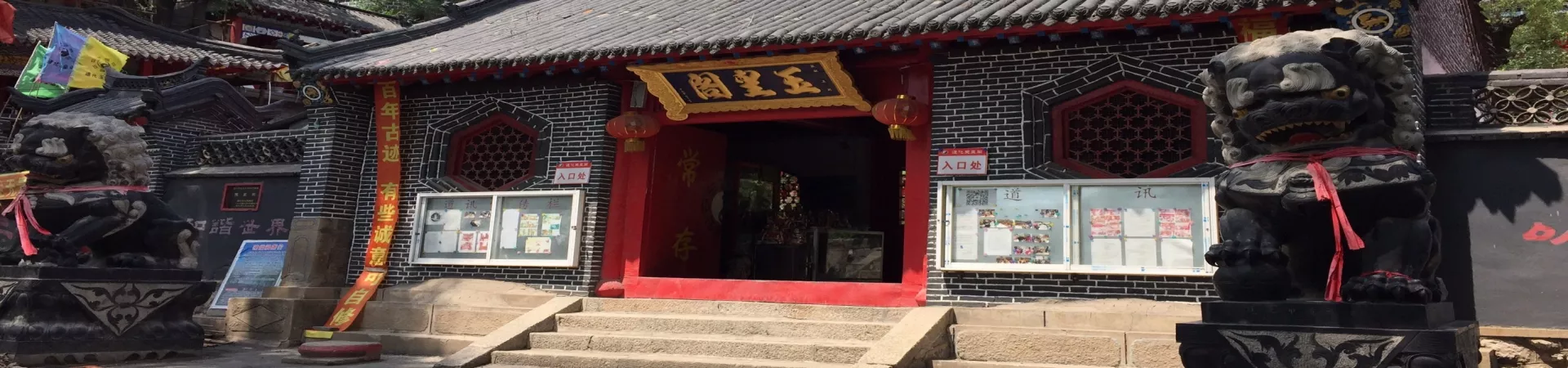
1. Introduction and Historical Significance Nestled against the northern bank of the Hun River in the very center of Tonghua City, Jilin Province, Yuhuangshan Park stands as a premier urban oasis and a beloved cultural landmark. This comprehensive park, masterfully integrating natural scenery, recreational facilities, and tranquil retreats, is situated on the slopes of Yuhuang Mountain, part of the majestic Changbai Mountain range. Its name, meaning "Jade Emperor Mountain," originates from the construction of a Yuhuang Pavilion (Jade Emperor Pavilion) on its grounds in 1887 during the Qing Dynasty under Emperor Guangxu. This historical footnote imbues the park with a sense of timelessness, connecting visitors to the region's rich past. Recognized for its outstanding beauty and management, the park was honored as a National AA-level Tourist Attraction by the China National Tourism Administration in the year 2000, a testament to its quality and appeal.
2. Landscape and Seasonal Charms The park's primary allure lies in its breathtaking natural landscape. Characterized by elegant ridges and embraced by surrounding peaks, it presents a picturesque scene that is both majestic and serene. The park has long been renowned across and beyond Jilin province for its profound sense of peace and exceptionally lush forests.
2.1. Pathways and Architecture A well-designed network of paths crisscrosses the park. These walkways, some broad and inviting, others narrow and winding, lead visitors on a journey of discovery through secluded, quiet corners. Scattered throughout the greenery are traditional Chinese pavilions, towers, and terraces. These structures harmoniously complement the natural environment, creating classic, postcard-perfect vistas where human artistry and nature's beauty reflect and enhance one another.
2.2. A Year-Round Destination The park's character transforms vividly with the seasons, offering distinct experiences throughout the year. In spring and summer, the hills are cloaked in vibrant shades of emerald and jade. The air is filled with the fragrance of blooming flowers and the cheerful songs of birds, creating an atmosphere of vitality and renewal. Autumn sets the foliage ablaze with brilliant red and golden leaves, painting the slopes with a warm, fiery palette. Winter brings perhaps the most magical transformation: the famous "rime ice" or frost-covered trees. This phenomenon, where fog freezes on the branches, coats the entire forest in a sparkling, silvery-white layer of intricate ice crystals, presenting a uniquely stunning spectacle emblematic of Tonghua's northern climate.
3. Park Layout and Key Areas The park is intelligently divided into two main functional zones, catering to different visitor moods and preferences.
3.1. The Front Mountain: Recreation and Activity The slopes of the front mountain are dedicated to observation and entertainment. This is the more dynamic section of the park, where visitors can enjoy leisurely strolls, gather for social activities, and engage with various scenic viewpoints and recreational facilities. It is the lively, accessible heart of the park.
3.2. The Rear Mountain: Tranquility and Contemplation In contrast, the rear mountain is designated as a quiet rest area. This zone is ideal for those seeking solitude, meditation, or a peaceful escape from the urban bustle. Here, the sounds of the city fade away, replaced by the whispering of the wind through the pines and the gentle rustle of leaves, allowing for deep relaxation and connection with nature.
4. The "Garden within a Garden" A particularly exquisite highlight of Yuhuangshan Park is its recently developed "Yuan Zhong Yuan" or "Garden within a Garden." This enclosed space is a masterpiece of traditional garden design and artistry. It is surrounded by a striking 2-meter-high wall painted in a deep crimson-red hue. What makes this wall extraordinary are the numerous delicate, variably shaped windows embedded within it. These windows are crafted into forms such as fans, circles, squares, and plum blossoms, each acting as a framed picture offering a tantalizing glimpse of the beauty within. From a distance, this ornate wall resembles a luxurious red silk curtain adorned with intricate patterns, elegantly encircling this multi-faceted and colorful inner sanctuary. This garden exemplifies the Chinese gardening philosophy of creating curated, poetic microcosms of the natural world.
5. Practical Visitor Information For those planning a visit, the following details are essential. The park is generally considered to require approximately 1 to 3 hours to explore thoroughly, though one could easily spend longer, especially when seeking tranquility in the rear sections or admiring seasonal details. The park operates with remarkably accessible hours, remaining open all day, every day of the year, from January 1st to December 31st. This 24/7 schedule allows for incredible flexibility, whether for a morning jog, an afternoon picnic, or a nighttime stroll under the stars to view illuminated landscapes or winter frost. Regarding admission, it is advisable to check the latest information directly with the park management, as policies and potential fees are subject to change. Visitors are encouraged to confirm this detail prior to their trip to ensure a seamless experience.