Ji'an Museum
Subtitle: A Portal to the Koguryo Kingdom: History, Architecture, and Practical Guide
1. Introduction and Significance Nestled at the intersection of Jianshe Street and Yunshui Road in Ji'an City, the Ji'an Museum stands as a unique and profound cultural institution. It holds the distinguished title of being the only thematic museum in China, and indeed the world, dedicated exclusively to showcasing the history and culture of the Koguryo Kingdom (37 BC – 668 AD). For any visitor to the Tonghua region, this museum is not merely a stop but an essential journey into the heart of an ancient civilization that once flourished along the banks of the Yalu River. Its collection and very architecture serve as a powerful testament to the artistic achievements, military prowess, and spiritual world of the Koguryo people, offering an unparalleled window into a pivotal chapter of Northeast Asian history.
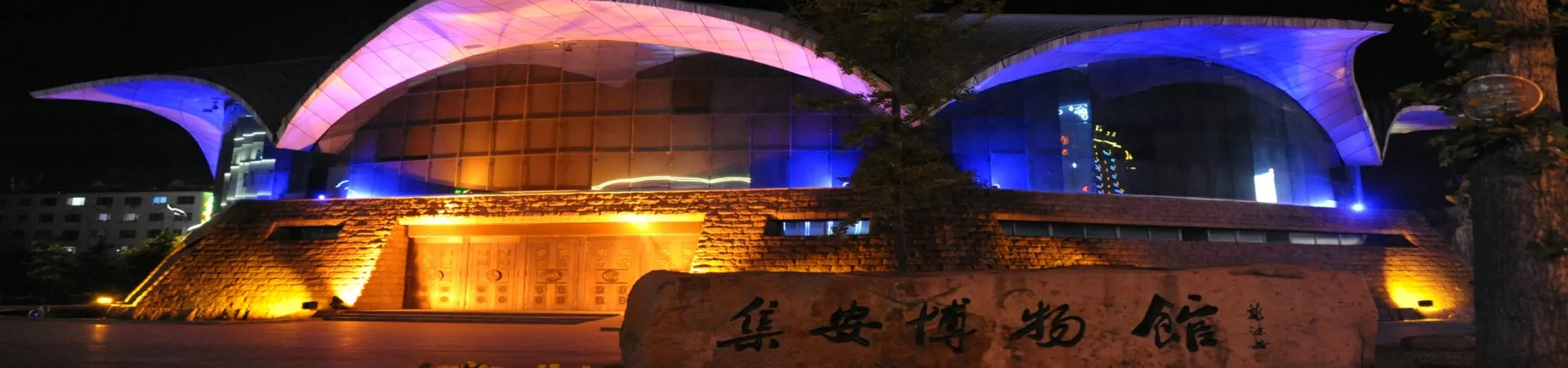
2. Architectural Philosophy and Design The museum's design is a masterpiece in itself, seamlessly blending symbolic meaning with aesthetic grandeur. Its most striking feature is the overall structure shaped like an eight-petaled lotus flower. This design is far from arbitrary; it is a deeply thoughtful integration of cultural motifs and traditional beliefs.
2.1. Symbolism of the Lotus The choice of the lotus flower is a direct homage to a key aspect of Koguryo culture. Historical evidence, particularly from tomb murals, indicates that the Koguryo people held the lotus in high esteem, valuing its symbolism of purity, rebirth, and spiritual enlightenment. By adopting this form, the museum's architecture physically embodies the cultural spirit it seeks to preserve and present.
2.2. Principles of Feng Shui Beyond the lotus symbolism, the building's layout and orientation are said to incorporate principles of traditional Chinese Feng Shui. This ancient practice, concerned with harmonizing human structures with the surrounding environment and energy flows, guides the placement and design to create a space that feels both balanced and auspicious. The design also reflects the Koguryo's appreciation for stone, a durable and revered material in their construction of cities, tombs, and fortifications. Thus, the museum stands as a modern interpretation of ancient wisdom, built upon the very aesthetic and philosophical foundations of the culture it celebrates.
3. Practical Visitor Information To ensure a smooth and enriching visit to the Ji'an Museum, the following practical details are essential for planning.
3.1. Location and Transportation The museum is conveniently located within Ji'an city proper at the junction of Jianshe Street and Yunshui Road. For visitors traveling by private vehicle, the route is straightforward: from downtown Ji'an, proceed to Yalujiang Road, then navigate to the mentioned intersection where the museum is situated. Ample parking is typically available in the vicinity.
3.2. Admission and Opening Hours Admission to the museum is priced at 30 RMB per person, offering significant value given the uniqueness of the collections. The museum operates year-round, opening its doors from 8:00 AM to 5:00 PM, Monday through Sunday. It is advisable to allocate sufficient time for a thorough exploration.
3.3. Suggested Duration of Visit To fully appreciate the exhibits, which range from intricate artifacts and weaponry to detailed models and explanatory panels, a visit of approximately 1 to 3 hours is recommended. This allows time to engage with the historical narratives at a comfortable pace without feeling rushed.
4. Exploring the Core Exhibitions While the architectural shell is impressive, the true treasure lies within. The museum's galleries are meticulously curated to guide visitors through the rise, zenith, and legacy of the Koguryo Kingdom.
4.1. The Historical Narrative The exhibits are organized to tell a comprehensive story. They begin with the origins and establishment of the kingdom, moving through its political development, military campaigns, and diplomatic relations. This contextual foundation is crucial for understanding the artifacts on display and the kingdom's role in the regional dynamics of its time.
4.2. Artifacts and Material Culture The museum houses an exceptional collection of original artifacts excavated from Koguryo sites, including the nearby Capital Cities and Tombs of the Ancient Koguryo Kingdom, a UNESCO World Heritage Site. Key items typically include: * Military Equipment: Iron armor, helmets, horse trappings, and weapons that illustrate the military strength that allowed Koguryo to dominate the region for centuries. * Daily Life Objects: Pottery, tools, bronze vessels, and decorative personal items that provide intimate glimpses into the everyday lives of people from all social strata. * Architectural Elements: Replicas and original stone components, including roof tiles with characteristic lotus patterns, which demonstrate advanced construction techniques and artistic design.
4.3. Artistic and Spiritual Legacy A significant portion of the museum is dedicated to the artistic and spiritual expressions of the Koguryo. This includes detailed reproductions of famous tomb murals, which are vibrant depictions of mythology, daily life, constellations, and hunting scenes. These murals are invaluable for understanding their cosmology, beliefs, and artistic sensibilities. Explanations of burial customs and tomb architecture, particularly the stone-lined earthen mounds, further illuminate their views on the afterlife and social hierarchy.
Information last updated: August 9, 2023. Credit is extended to contributors for their editorial input.