Hanging Water Pot Waterfall
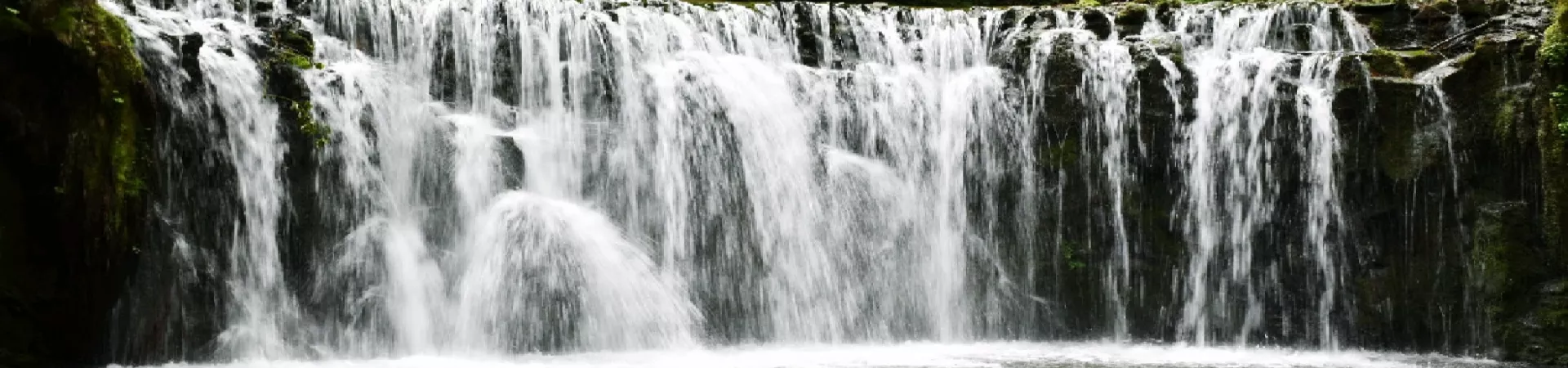
Subtitle: A Geological Marvel and Scenic Retreat in Tonghua, China
Introduction to Diaoshuihu Waterfall
Nestled within the verdant landscapes of Tonghua City in China's Jilin Province, the Diaoshuihu Waterfall presents a captivating natural spectacle that diverges from the typical towering cascade. Located a mere 15-minute drive from the renowned Sanjiaolongwan (Triangular Dragon Bay), this waterfall offers a more intimate yet geologically fascinating experience. Its unique formation and serene setting against the backdrop of the Jinlongdingzi Mountain make it an essential stop for travelers seeking to understand the region's volcanic history and appreciate its subtle beauty. The name "Diaoshuihu," literally translating to "Hanging Water Kettle," is derived from its distinctive flow pattern, which vividly resembles water pouring from a spout, encapsulating both the creativity of local folklore and the precision of natural forces.
The Geological Genesis and Unique Features
The story of Diaoshuihu Waterfall begins millions of years ago with the violent tectonic and volcanic activity that shaped much of Northeast China. Unlike waterfalls carved solely by river erosion over millennia, Diaoshuihu is a direct descendant of ancient volcanic events.
- Formation by Volcanic Force: The waterfall was created following volcanic eruptions when the riverbed in this area, subjected to immense tensional stress from the cooling and shifting basalt, fractured and faulted. This process, known as faulting, created the sudden vertical drop that the stream now traverses. The bedrock here is primarily composed of volcanic basalt, giving the site a dark, rugged aesthetic that contrasts with the lush greenery.
- Dimensions and Flow: The waterfall spans approximately 10 meters in width with a clear, single-drop fall of about 7 meters. While not immense in scale, its power lies in its form and consistency. The water flows year-round, with seasons altering its character—from a vigorous, full stream in the summer and autumn to a more delicate, sometimes partially frozen, spectacle in winter.
- The "Kettle Spout" Phenomenon: The most extraordinary feature, which earned the waterfall its name, is a separate, secondary water flow. This stream does not simply follow the main cliff face. Instead, it jets out horizontally from a mid-point in the rock face before arcing down to the pool below. This precise, focused jet, emerging as if from a spout, creates the unmistakable illusion of a giant celestial kettle pouring water. This feature is a rare hydrological occurrence, likely resulting from a specific combination of fissures and water pressure within the volcanic rock strata.
The Visitor Experience and Natural Surroundings
A visit to Diaoshuihu is as much about the journey and environment as it is about the waterfall itself. The site is developed for accessibility while striving to preserve its natural charm.
- Access and Trails: Well-maintained walking paths and wooden boardwalks lead visitors from the parking area through a mixed forest of pines and broadleaf trees. The approach is gentle, filled with the sounds of birds and flowing water, building anticipation. Several strategically placed viewing platforms offer unobstructed, safe vantage points for photography and contemplation of the main falls and its iconic "spout."
- Symbiosis with Jinlongdingzi Mountain: The waterfall is intimately connected to the Jinlongdingzi Mountain, which rises protectively beside it. The mountain's slopes are the source of the streams that feed the waterfall, and its presence adds a sense of grandeur and seclusion to the valley. Hiking trails around the area sometimes link to broader paths exploring the mountain's lower reaches, allowing for extended nature walks.
- Ecological Niche: The constant mist from the waterfall sustains a microclimate that fosters rich moss growth on the rocks and supports diverse ferns and moisture-loving plants. The pool at the base, clear and cool, is a habitat for small aquatic life and adds to the overall tranquility of the scene.
Practical Information for Planning Your Visit
To ensure a smooth and enjoyable trip to Diaoshuihu Waterfall, the following practical details are essential.
- Operating Hours: The scenic area is open to the public daily from 07:00 to 17:00. This schedule is maintained throughout the year, from January 1st to December 31st. It is advisable to arrive earlier in the day to enjoy quieter conditions and optimal light for viewing.
- Location and Connectivity: The waterfall is situated within the Tonghua county, easily accessible by road. Its proximity (15-minute drive) to the Sanjiaolongwan volcanic lake complex makes it perfectly suited for a combined day-trip itinerary. Visitors often explore the serene lakes of Sanjiaolongwan in the morning and then visit Diaoshuihu in the afternoon.
- Best Times to Visit: Each season offers a distinct perspective. Summer (June-August) provides lush greenery and a powerful water flow. Autumn (September-October) frames the waterfall with spectacular fall foliage. Winter (November-March) transforms the site into a frozen wonderland, where the water spray creates intricate ice formations on the surrounding rocks and vegetation, offering a completely different, ethereal beauty.
- Visitor Facilities: Basic tourist amenities, including parking, restrooms, and small vendor stalls offering water and snacks, are available near the entrance. The paths are generally well-kept, but wearing comfortable, non-slip walking shoes is recommended due to the potentially damp and uneven surfaces near the water.