Goguryeo King City
Subtitle: Exploring the Ancient Capital: A Visitor's Guide to the Koguryo Kingdom's Dual-City Complex in Ji'an
Introduction: A Landscape of History
Nestled in the city of Ji'an, within China's Jilin province, lies an archaeological landscape of profound historical significance: the Capital Cities and Tombs of the Ancient Koguryo Kingdom. This UNESCO World Heritage site, often referred to by the encompassing term "Koguryo Wangcheng" or more specifically for its burial grounds, the "Donggou Ancient Tomb Complex," offers a unparalleled window into the civilization of the Koguryo, a formidable kingdom that flourished from 37 BC to 668 AD. The site's defining and most fascinating characteristic is the unique defensive and administrative system of a paired capital: a plains city (Pingyuan Cheng) and a mountain fortress (Shan Cheng), which functioned in tandem as the heart of the kingdom. Scattered across the plains surrounding this dual-city core are over ten thousand ancient tombs, creating a breathtaking and solemn panorama that has captivated historians and travelers from around the globe.
1. The Architectural Genius: Plains City and Mountain Fortress
1.1. A Symbiotic Defense System The Koguryo were master strategists and builders. Their capital complex at Ji'an exemplifies a sophisticated approach to urban planning and defense. The Plains City, situated on the open terrain near the Yalu River, served as the primary administrative, economic, and residential center. Here, the royal court governed, artisans worked, and daily life unfolded. However, its vulnerability necessitated a complementary stronghold.
1.2. The Impregnable Mountain Fortress Perched on the adjacent mountainous ridges lies the Mountain Fortress. This citadel was designed as an ultimate refuge during times of war. Its walls, constructed by skillfully fitting massive stone blocks to the natural contours of the mountain, provided a formidable defensive position. In times of peace, it likely housed garrisons and served as a strategic watchpoint. The two cities, connected and mutually supportive, created a resilient capital that could withstand prolonged conflict, reflecting the Koguryo's enduring power and architectural ingenuity.
2. The Silent City: The Donggou Ancient Tomb Complex
2.1. A Vast Necropolis The plains around the capital cities are home to the staggering Donggou Ancient Tomb Complex, a vast necropolis containing more than 10,000 tombs. This sea of burial mounds, ranging from simple stone cairns to elaborate pyramidal structures, is one of the densest and most extensive ancient burial sites in the world. It stands as a silent testament to the scale and duration of the Koguryo civilization.
2.2. Tomb Typology and Murals The tombs are generally categorized into two main types: earthen mounds and stone mounds. The most illustrious are the stone-chambered tombs with earthen mounds, some of which contain exquisite wall paintings.
2.2.1. Mural Themes and Significance: These vibrant frescoes, found in tombs such as the General's Tomb (Jiangjunfen) and the Tomb of the Dancers, depict a rich array of scenes from Koguryo life and belief. Subjects include celestial beings, mythical animals, genre scenes of hunting, warfare, banqueting, and spirited dancers. They provide invaluable, colorful insights into the society's cosmology, social customs, artistic aesthetics, and cultural exchanges along the Silk Road.
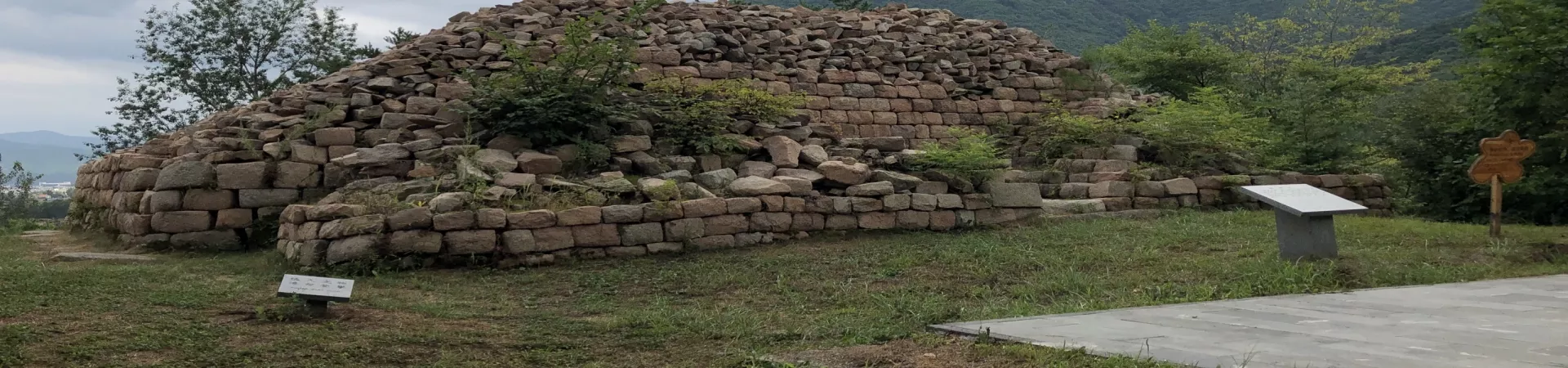
2.2.2. The Pyramid of the East: Among the most striking structures is the Pyramidal Tomb of King Jangsu (Taiziling), often called the "Eastern Pyramid." This massive, seven-tiered step-pyramid built of finely dressed stone blocks is the burial place of the 20th Koguryo monarch, King Jangsu, and represents the zenith of Koguryo tomb architecture, showcasing their advanced engineering skills and royal prestige.
3. Practical Visitor Information
3.1. Location and Transportation The site is located in and around the modern city of Ji'an, Tonghua City, Jilin Province. Visitors can reach Ji'an by long-distance bus or train from major cities like Tonghua or Changchun. From Ji'an city center, dedicated tourist shuttle buses are available to transport visitors to the main components of the heritage site, including the mountain fortress, the plains city ruins, and key tomb clusters.
3.2. Admission and Opening Hours * Admission Fee: The general entrance fee for the key protected areas and tomb clusters is approximately 30 RMB. Prices for specific museums or special tomb chambers may vary. * Opening Hours: Operating hours change seasonally. * Summer (June 1 - August 31): 08:00 - 17:00 (Last entry at 17:00). * Winter (December 1 - February 28): 08:30 - 16:30 (Last entry at 16:30).
3.3. Suggested Itinerary and Tips A comprehensive visit requires at least 3 to 4 hours. A recommended itinerary might start with an overview at the on-site museum to understand the historical context, followed by visits to representative painted tombs (note: some may have restricted access to preserve the murals). Then, proceed to the awe-inspiring Pyramidal Tomb, and finally, undertake the hike to the Mountain Fortress for a panoramic view of the entire historic landscape. Comfortable walking shoes are essential, as the terrain involves some climbing, especially to the fortress. The services of a knowledgeable local guide are highly recommended to fully appreciate the historical and cultural nuances of the site.
4. Historical and Cultural Legacy
The Koguryo sites in Ji'an are not merely ruins; they are a foundational chapter in the history of Northeast Asia. The kingdom was a major regional power, engaging in diplomacy and conflict with successive Chinese dynasties and other Korean peninsula states. The capital cities demonstrate an exceptional assimilation of Han Chinese cultural and architectural influences, which were then adapted and fused with indigenous traditions to create a distinct Koguryo identity. This synthesis is vividly displayed in the city layouts, construction techniques, and the tomb murals. As a UNESCO World Heritage site, it is recognized for its outstanding universal value, bearing exceptional testimony to the vanished Koguryo civilization, its innovative city-building concepts, and its influential artistic traditions. Visiting this complex is a journey into the strategic mind, spiritual world, and artistic soul of a people who shaped the course of history in this region for centuries.