General's Tomb
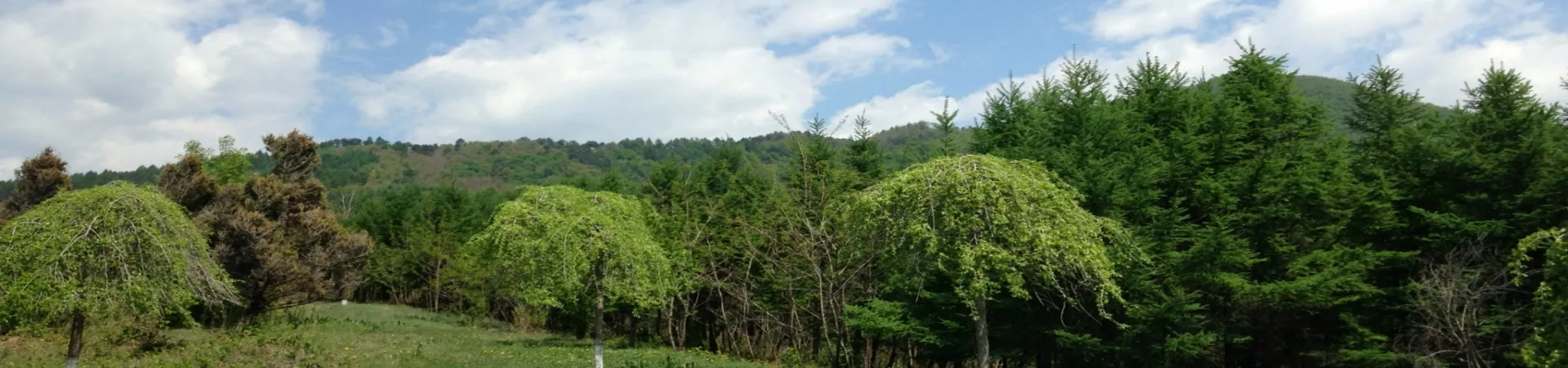
Subtitle: The "Eastern Pyramid": A Journey to the Mausoleum of General Janggun in Tonghua, China
Introduction: A Colossal Legacy in Stone
Nestled at the foot of Longshan Mountain, approximately four kilometers northeast of Ji'an City in Jilin Province, lies an archaeological marvel that has captivated historians and travelers alike: the Mausoleum of General Janggun. Often hailed as the "Eastern Pyramid" due to its striking resemblance to the tombs of ancient Egyptian pharaohs, this monumental structure is far more than a visual spectacle. It is a profound testament to the power, artistry, and spiritual beliefs of the Goguryeo Kingdom, one of the Three Kingdoms of Korea, which ruled over vast territories including parts of modern-day northeast China and the Korean Peninsula. Dated to the late 4th or early 5th century AD, the mausoleum is widely believed to be the final resting place of King Jangsu (often translated as King Longevity), the twentieth monarch of Goguryeo. His reign marked a golden age of territorial expansion and cultural consolidation for the kingdom. The tomb stands not in isolation but as the centerpiece of the Capital Cities and Tombs of the Ancient Koguryo Kingdom, a UNESCO World Heritage Site, sharing this honor with other nearby archaeological treasures in Ji'an. A visit here is a direct encounter with a pivotal era in Northeast Asian history, frozen in meticulously carved granite.
Architectural Grandeur and Construction
The "Pyramid" Form: Design and Scale The immediate impact of the General's Mausoleum is its sheer, imposing presence. Constructed as a stepped pyramid, or more precisely, a square, terraced stone platform, it rises 13.1 meters (approximately 43 feet) high. Its geometric precision is awe-inspiring. The base covers a vast area of 997 square meters, while the truncated top platform measures 270 square meters. This design, emblematic of elite Goguryeo tombs, symbolized a sacred stairway to the heavens, connecting the earthly ruler with the celestial realm.
Engineering Marvel: Materials and Techniques The true wonder lies in its execution. The entire mausoleum is built from finely dressed and polished granite blocks, a material chosen for its permanence and strength. The structure consists of seven distinct tiers, each formed by massive stone slabs. These slabs are not merely stacked but carefully interlocked, a technique that has ensured remarkable stability for over 1,500 years. The weight of the individual components is staggering: each slab on the tiers weighs several tons, showcasing the extraordinary logistical and engineering capabilities of the Goguryeo builders.
The Burial Chamber: Heart of the Tomb Access to the interior, a privilege reserved for the king in the afterlife, is provided by a passage located on the fifth tier. This corridor leads to the central burial chamber. Guarding this inner sanctum is a single, colossal slab serving as the sarcophagus lid, estimated to weigh over 50 metric tons. The chamber's protection is further emphasized by three immense guardian stones positioned on each side of the mausoleum, each weighing more than 10 tons. The movement and precise placement of these mega-liths, without modern machinery, remain a subject of deep admiration and scholarly inquiry, highlighting a sophisticated understanding of leverage, ramps, and mass labor organization.
Historical and Cultural Significance
Within the Goguryeo World The mausoleum's significance transcends its physical dimensions. It is a key to understanding Goguryeo's state ideology, where the deified king was the linchpin between his people and the cosmos. The immense resources dedicated to its construction reflect the centralized power and wealth of King Jangsu's reign. Furthermore, its location in Ji'an, then known as Gungnae Fortress, is crucial. Ji'an served as the second capital of Goguryeo for over 400 years, and this tomb, along with others in the complex, helped define a sacred royal necropolis, anchoring the capital's spiritual and political authority.
A UNESCO World Heritage Perspective Its inclusion as a core component of the Koguryo World Heritage site underscores its universal value. UNESCO recognizes these tombs, including the General's Mausoleum, as exceptional witnesses to the vanished Goguryeo civilization. They represent a masterpiece of human creative genius in tomb architecture and provide crucial evidence of burial customs, spiritual traditions, and technological achievements that influenced the wider cultural region.
Visitor Practical Information
Location and Transportation The site is located in the Ji'an area of Tonghua City, Jilin Province. The most common approach for independent travelers is to first reach the city of Ji'an. From central Ji'an, visitors can take public bus route 5, which stops near the Tomb of King Gwanggaeto the Great (Haotai Wang Ling). From that point, it is a scenic walk of about 1.5 kilometers to the General's Mausoleum, offering a gradual approach through the historical landscape.
Admission and Opening Hours An admission fee is required for entry. As of recent information, the standard ticket price is set at 30 Chinese Yuan (CNY). It is always advisable to verify the current rate through official tourism channels before your visit. The mausoleum is open to the public year-round, but operating hours vary seasonally to account for daylight and weather conditions. Typically, from December 1st through February 28th, hours are from 8:40 AM to 4:00 PM, with last entry at 4:00 PM. During the summer months, from June 1st through August 31st, the site opens earlier, from 8:00 AM to 4:00 PM, with the same last entry time. The site is generally open seven days a week.
Planning Your Visit A comprehensive visit to the mausoleum, including time to appreciate its exterior, study its details, and absorb the atmosphere of the site, typically requires between one to three hours. Visitors are encouraged to wear comfortable walking shoes, as the terrain around the tomb involves some steps and uneven ground. Combining a trip to the General's Mausoleum with other nearby World Heritage sites, such as the Tomb of King Gwanggaeto or the Wandu Mountain City ruins, is highly recommended to gain a fuller picture of Goguryeo's grandeur. The site offers minimal shelter, so appropriate clothing for sun or rain is advised. While information panels are present, engaging a local guide or doing preliminary research on Goguryeo history will significantly enrich the experience, transforming the sight of ancient stones into a vivid narrative of a lost kingdom's ambition and belief.