Xinghua Old Street
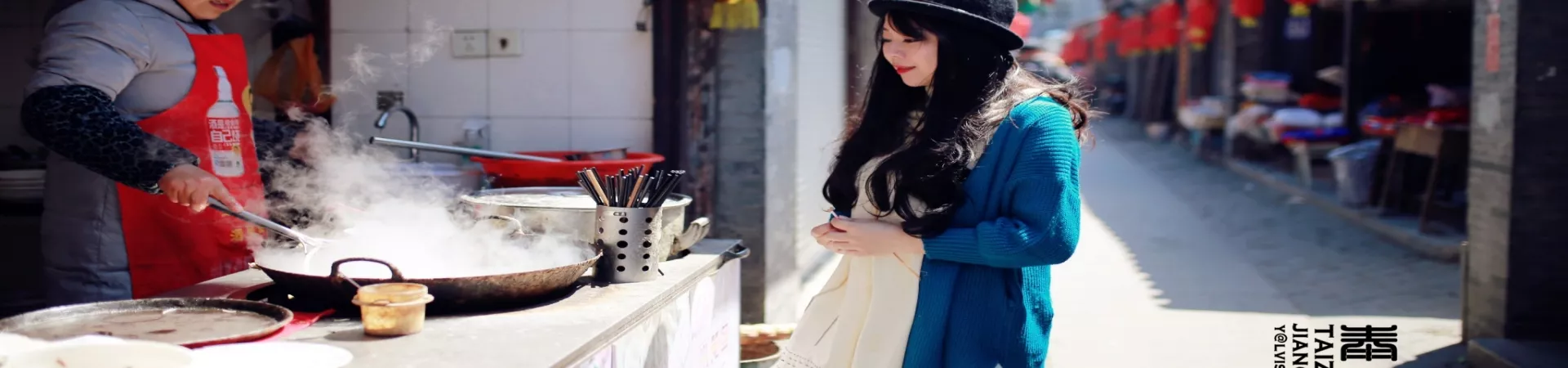
Subtitle: A Stroll Through Time in Xinghua's Old Street
Introduction: The Heart of Old Xinghua Nestled within the city of Taizhou in Jiangsu Province, China, lies a charming and accessible portal to the past: Xinghua Old Street. Unlike some of the region's larger, more sprawling ancient towns, Xinghua's old quarter offers a more intimate and manageable historical experience. Centered around the landmark Four Archways (Si Pai Lou), the district is conveniently divided into two main sections: West Street and East Street. This area serves not just as a preserved historical site but as a living, breathing part of the community, where daily life, commerce, and history seamlessly intertwine. For travelers seeking an authentic glimpse into local architecture and street life without the overwhelming scale of major tourist hubs, a leisurely exploration of Xinghua Old Street provides a perfect, condensed cultural interlude.
Section 1: Architectural Character and Ambiance 1.1 A Tapestry of Reconstructed History The architectural landscape of Xinghua Old Street is one of its most defining features. Visitors should note that many of the traditional buildings lining the streets are not original centuries-old structures but careful reconstructions or renovations. This practice, common across China, aims to preserve the aesthetic and cultural essence of historical architecture while ensuring safety and longevity. The result is a picturesque streetscape where "cuoluo"—a Chinese term describing a pleasing, irregular arrangement—of old-style residences and shopfronts create a harmonious and photogenic environment. The buildings, with their characteristic grey-tiled roofs, white-washed walls, and wooden facades, evoke the atmosphere of a bygone era, offering a tangible connection to the town's heritage.
1.2 The Lively Pulse of Commercial Life Far from being a sterile museum piece, the Old Street thrives with vibrant, everyday energy. It is unapologetically a commercial thoroughfare, bustling with activity. The streets are lined with a diverse array of small, often family-run businesses. Numerous small restaurants and food stalls are a major highlight, emitting tantalizing aromas and offering visitors a chance to sample local Xinghua and Jiangsu cuisine. Interspersed among them are shops selling traditional crafts, snacks, teas, and sundry goods. This commercial vibrancy ensures the street remains a functional part of the modern town, providing a realistic and engaging backdrop for visitors to observe contemporary local life against a historical setting.
Section 2: The Visitor Experience 2.1 A Leisurely Exploration on Foot The primary and most rewarding way to experience Xinghua Old Street is simply by walking. The district's manageable size encourages a relaxed, unhurried pace. There is no set route or must-see checklist; the pleasure lies in the spontaneous discovery. Wandering ("zou yi zou") and observing ("kan yi kan") are the recommended activities here. Stroll down the narrow lanes, peer into open shopfronts, admire the architectural details of the old houses, and soak in the ambient sounds and sights. This approach allows visitors to appreciate the subtle charm of the place, from the patterns of the stone paving to the daily routines of the residents.
2.2 Supplementary Activities: The Waterway Perspective For those wishing to complement their terrestrial stroll, an optional boat tour project operates in the canals or waterways surrounding the old street area. This provides a different vantage point, allowing visitors to see the backs of the old buildings and the network of waterways that were historically vital for transport and commerce in this region of Jiangsu. The gentle boat ride offers a moment of tranquility and a unique photographic perspective, adding another layer to the understanding of the town's relationship with water.
Section 3: Practical Information for Planning Your Visit 3.1 Admission and Accessibility A significant advantage of visiting Xinghua Old Street is its free admission. There is no ticket required to enter and explore the public streets and lanes, making it an exceptionally accessible and budget-friendly destination for all types of travelers. This open-access policy reinforces its status as a living public space rather than a gated attraction.
3.2 Recommended Duration and Timing To fully absorb the atmosphere without feeling rushed, a visit of approximately 1 to 3 hours is typically sufficient. This allows ample time for a thorough walk through both the West and East Street sections, perhaps a stop for a snack or a meal at one of the local eateries, and potentially the short boat tour. The Old Street is officially open to visitors daily from 8:00 AM to 5:00 PM, with last entry also at 5:00 PM. It is advisable to plan your visit within these hours to ensure the shops and restaurants are open and the area is at its most lively. Morning or late afternoon visits often provide the most pleasant light for photography and a slightly less crowded experience.
3.3 Managing Expectations For an optimal experience, it is helpful for visitors to approach Xinghua Old Street with appropriate expectations. It is not a grand, imperial-era complex nor a perfectly preserved archaeological site. Instead, it is a modest, charming, and actively used historic commercial district. Its beauty is in its everyday authenticity and its role as a community hub. The reconstructed buildings, the bustling small businesses, and the lack of monumental sights are not shortcomings but integral characteristics of this particular place. The value is in the immersive, sensory experience of walking through a slice of local life that respectfully wears its history on its sleeve, offering a genuine and unpretentious encounter with the cultural fabric of Xinghua.