Qintong Ancient Town
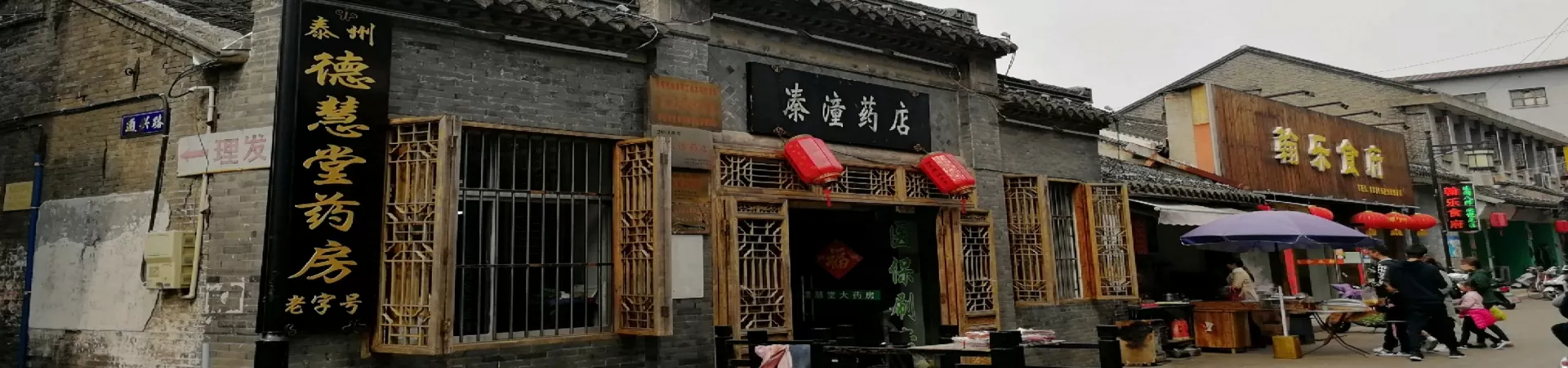
Subtitle: A Journey Through Time and Water: Unveiling the Charms of Qintong, an Ancient Town in Taizhou
Nestled within the city of Taizhou in Jiangsu Province, China, lies the ancient town of Qintong, a place officially recognized as a "Famous Historical and Cultural Town of China." Its story is one woven through a millennium, a rich tapestry colored by literary elegance, martial prowess, bustling commerce, and a profound, defining relationship with water. More than just a preserved relic, Qintong is a living testament to the enduring spirit and cultural heritage of the Jiangnan water towns.
I. A Name Born from Water: The Origins and Historical Significance of Qintong
The very identity of Qintong is intrinsically linked to water, a connection seemingly foretold by its name. The town's earliest recorded name was "Qin Tong." Legend has it that during his reign, the Qing Dynasty Emperor Qianlong passed through the area. Upon hearing the name "Qin Tong," he observed the town's unique geography, surrounded on all sides by waterways. He mused that a place so embraced by water should have a name reflecting that characteristic. Noting that only the character "Tong" (潼) contained the water radical, he decreed that the "Qin" (秦) should also be granted the same, transforming it into "Qin" (溱). Thus, the name "Qintong" (溱潼) was born, literally embedding water into its essence.
This aquatic destiny shaped its historical trajectory. From the mid-Qing Dynasty onwards, Qintong flourished due to its advantageous location at the confluence of the Jiangxing and Taidong Rivers. It became a vital hub on the Grand Canal network, a crucial transit point for grain tribute (漕运) and salt transportation (盐运). This strategic position fueled the growth of agriculture, fisheries, and a thriving kiln industry. As prosperity grew, so did the population. The town evolved into a densely populated, bustling market center, with shops lining its streets and waterways teeming with commercial activity.
II. The "Little Shanghai" Era: Commercial Prosperity and Modernization
The period from the 1920s until the early stages of the War of Resistance against Japan marked a golden age of commerce for Qintong, particularly in grain trade. The town became a regional powerhouse for rice and oil processing, with numerous mills and oil presses establishing operations. This economic boom spurred the development of urban amenities and services. Tea houses, restaurants, and bathhouses sprang up to cater to merchants and residents alike. Supporting industries such as transportation, finance, and general commerce expanded rapidly.
Qintong embraced modernity early for a water town. It was among the first in the region to have electric street lighting. Telephones and telegraphs became essential tools for business communication, connecting local traders to wider markets. The establishment of local newspapers, Qinhu Daily and Qin Bao, highlighted a vibrant civic and commercial life. This concentration of economic energy, modern conveniences, and cultural activity earned Qintong the illustrious nickname "Little Shanghai," a testament to its significant regional influence during that era. This legacy of prosperity forms a crucial chapter in its history, paving the way for its contemporary status as a renowned historical town and a nationally designated "Key Town."
III. Cultural Tapestry: From Poetic Landscapes to Martial Glory
Beyond its commercial history, Qintong's soul is captured in its cultural and artistic heritage. For centuries, its serene beauty has inspired poets and scholars, who left behind a treasury of verses praising its scenery. The most celebrated of these are the "Eight Views of Qinhu Lake" (溱湖八景), each a scene of poetic and pictorial charm, depicting the harmonious interplay of water, sky, wetlands, and traditional architecture.
One of the most spectacular and unique cultural manifestations is the Qintong Boat Festival (溱潼会船). This annual event, held on the waters of Qinhu Lake, is a breathtaking display of folk custom and communal spirit. Hundreds of boats, from sleek racing dragon boats to ornately decorated ceremonial vessels, gather for competitions and parades. The synchronized rowing, thunderous drumming, and festive atmosphere create an unforgettable spectacle, recognized as a masterpiece of intangible cultural heritage.
On the southern shore of Qinhu Lake, in the Qiaotou area, lies a site of martial honor: the former residence of the Liu family, celebrated as a "Seventeen-Generation Lineage of Archery and Horsemanship, a Five-Hundred-Year Heritage of Officialdom." During the Qianlong era, two brothers from the Liu family achieved the highest military honor by attaining the title of "Martial Arts Champion" (武状元) in two out of three consecutive imperial examinations—a remarkable feat that became a celebrated local legend, adding a layer of heroic narrative to the town's history.
IV. A Culinary Paradise: The Bounty of Qinhu Lake
The fertile lands and mild climate of the Qinhu Lake region, combined with the diligent work of its people, yield an extraordinary abundance of aquatic products. This natural bounty forms the foundation of a distinguished culinary tradition centered on the famed "Qintong Eight Delicacies" (溱湖八鲜). This collection of exquisite dishes represents the pinnacle of the region's aquatic cuisine.
Among the stars of this culinary repertoire is the Qinhu Lake Duan Crab (簖蟹), a particular breed of hairy crab renowned for its rich, sweet roe and tender meat, traditionally caught using unique bamboo traps ("簖"). Other signature specialties include fish cakes (鱼饼) and shrimp balls (虾球), each showcasing the fresh, delicate flavors of the lake's harvest. The mastery in preparing these ingredients, honoring traditional methods while highlighting natural tastes, led to the "Qintong Eight Delicacies" festival being honored as one of China's "Top Ten Culinary Festivals" in 2007. A visit to Qintong is incomplete without savoring these authentic flavors, which offer a direct, delicious connection to the water-based life of the town.
Practical Information for Visitors
Ticket Information:
- Standard Ticket: 40 RMB (applicable year-round).
- Concession Ticket (Half-price):
- Seniors aged 60-69 (inclusive) with valid ID.
- Full-time undergraduate students and below with valid student ID.
- Free Admission:
- Children with a height of 1.4 meters or below, or aged 6 and below.
- Seniors aged 70 and above with valid ID.
- Active-duty military personnel, individuals with disabilities, and tour guides with valid credentials.
- Individuals receiving state pension and subsidies.
Opening Hours: 08:30 - 17:00 daily. Last admission is at 16:00.
Contact: For inquiries, you may call 0523-88621128.