Port Carving Tower Scenic Area
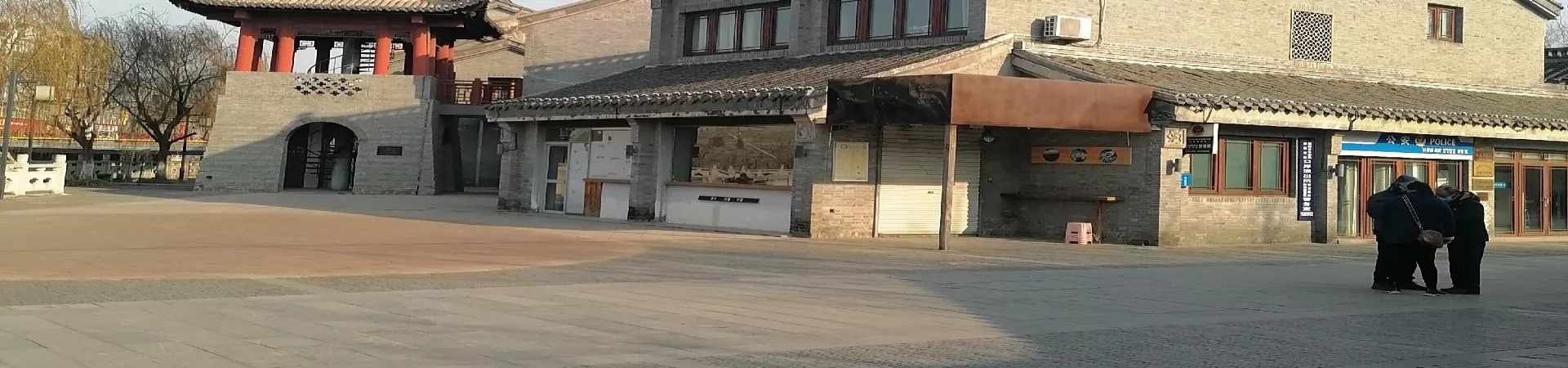
Subtitle: A Journey Through Time: Unveiling the Architectural Poetry of Taizhou's Carved Flower Mansion
Introduction: The Gateway to an Artistic Legacy
Nestled within the historic town of Kou'an in Taizhou, Jiangsu Province, lies a masterpiece of late Qing Dynasty residential architecture that transcends mere brick and mortar—the Kou'an Carved Flower Mansion (口岸雕花楼). More than just a stately home, it stands as a three-dimensional canvas, a profound testament to the zenith of Chinese wood, brick, and stone carving arts. For the discerning visitor, a trip here is not simply a sightseeing excursion; it is an immersive dialogue with history, craftsmanship, and the philosophical aesthetics of a bygone era. This meticulously preserved complex offers a silent yet eloquent narrative of the region's cultural and economic prosperity, inviting you to step across its threshold into a world where every beam, lintel, and wall tells a story of artistry and aspiration.
1. Historical and Architectural Significance
1.1. A Testament to Qing Dynasty Opulence Constructed during the reign of Emperor Guangxu (circa 1875-1908), the Carved Flower Mansion was built by a prosperous local merchant, Yao. Its creation coincided with a period of significant economic activity in the Kou'an area, a vital port and commercial hub. The mansion, therefore, is not merely a family residence but a symbol of mercantile success and social status, reflecting the wealth and cultural ambitions of the emerging merchant class in late imperial China.
1.2. Architectural Layout and Philosophy The complex follows a traditional Chinese courtyard-style (siheyuan) layout but on a grand and intricate scale. It encompasses living quarters, ceremonial halls, private gardens, and auxiliary buildings, all arranged according to principles of Feng Shui and hierarchical social order. The design emphasizes harmony between man and nature, with open courtyards allowing for light, air, and the incorporation of natural elements into daily life. The seamless integration of functionality, aesthetic beauty, and symbolic meaning in its layout provides a foundational understanding of pre-modern Chinese domestic architecture and worldview.
2. The Unparalleled Art of Carving: A Closer Look
The mansion's name, "Carved Flower Mansion," is a direct homage to its most breathtaking feature: the omnipresent and exquisitely detailed carvings that adorn virtually every surface. This section delves into the three primary mediums of this artistic explosion.
2.1. Wood Carving: The Soul of the Interior The wood carvings within the mansion are arguably its most celebrated aspect. Crafted primarily from precious namnu and zelkova wood, they transform pillars, beam brackets (dougong), door frames, window lattices, and furniture into flowing tapestries of imagery. * Themes and Motifs: Artists employed a rich symbolic language. Common motifs include bats (symbolizing happiness), deer (symbolizing official salary and longevity), cranes (symbolizing longevity), peaches (symbolizing immortality), and intricate floral patterns (peonies for wealth, lotus for purity). Scenes from classical literature, folklore, and historical operas are also vividly depicted, narrating stories of loyalty, filial piety, and scholarly achievement. * Technical Mastery: The carvings showcase a range of techniques from deep, dramatic relief to delicate openwork and piercing, creating astonishing depth and shadow play. The level of detail, from the feathers on a bird to the petals on a flower, demonstrates an extraordinary level of artisan skill and patience.
2.2. Brick and Stone Carving: The Facade of Grandeur While wood dominates the interior, brick and stone carvings define the exterior's character and resilience. * Gateways and Walls: The main entrance and surrounding screen walls often feature robust yet elegant brick carvings. These might include auspicious characters, geometric patterns, or protective deities, serving both decorative and symbolic protective purposes. * Stone Foundations and Details: Stone plinths, pillar bases, and stairways are frequently carved with patterns of lotus petals, cloud scrolls, or mythical beasts like qilins. These carvings provided structural solidity while visually grounding the lighter wooden structures above, representing a perfect marriage of strength and beauty.
3. Navigating the Visitor Experience
To fully appreciate the Carved Flower Mansion, practical information is key to planning a seamless and enriching visit.
3.1. Planning Your Visit: Hours and Admission The mansion operates with seasonal hours to accommodate daylight and visitor comfort. * Opening Hours: * Summer Season (April 1 - June 30): The site is open from 09:00 to 17:30. The extended evening hour allows for exploration in the softer afternoon light, which can beautifully highlight the textures of the carvings. * Winter Season (October 1 - December 31): The site is open from 09:00 to 17:00. * Admission Fees: * The standard adult ticket price is 60 RMB. It is advisable to check for any potential discounts for students, seniors, or children, either at the ticket office or through official online channels prior to your visit.
3.2. Enhancing Your Exploration * Guided Tours and Audio Guides: Consider opting for a guided tour or an audio guide (if available). The symbolic narratives behind the countless carvings are complex, and expert commentary can unlock layers of meaning that might otherwise be missed, transforming visual appreciation into deep cultural understanding. * Photography Tips: The intricate details are a photographer's delight. A macro lens can capture the fineness of the woodwork, while wider shots can capture the grandeur of the courtyards. The interplay of light and shadow, especially during the golden hours shortly after opening or before closing, adds dramatic effect to the architectural features. * Nearby Attractions: The historic Kou'an Old Town itself is worth exploring. Its ancient streets, canals, and traditional atmosphere provide context to the mansion, illustrating the environment from which this architectural gem arose.
4. Preservation and Cultural Legacy
The survival of the Kou'an Carved Flower Mansion in such a remarkable state is a testament to ongoing preservation efforts. It is recognized as a key cultural relic under state and provincial protection. Visiting the mansion is thus not only an aesthetic pleasure but also an act of supporting the conservation of intangible cultural heritage—the traditional carving techniques and architectural wisdom it embodies. Each visitor contributes to the continued story of this landmark, ensuring that future generations can also stand in awe of the patient hands and creative vision that built it. As you wander through its silent courtyards, let your fingertips trace the cool stone and your eyes follow the intricate wooden vines, and you will be connecting with the very spirit of Chinese artistic heritage.