Mei Lanfang Park
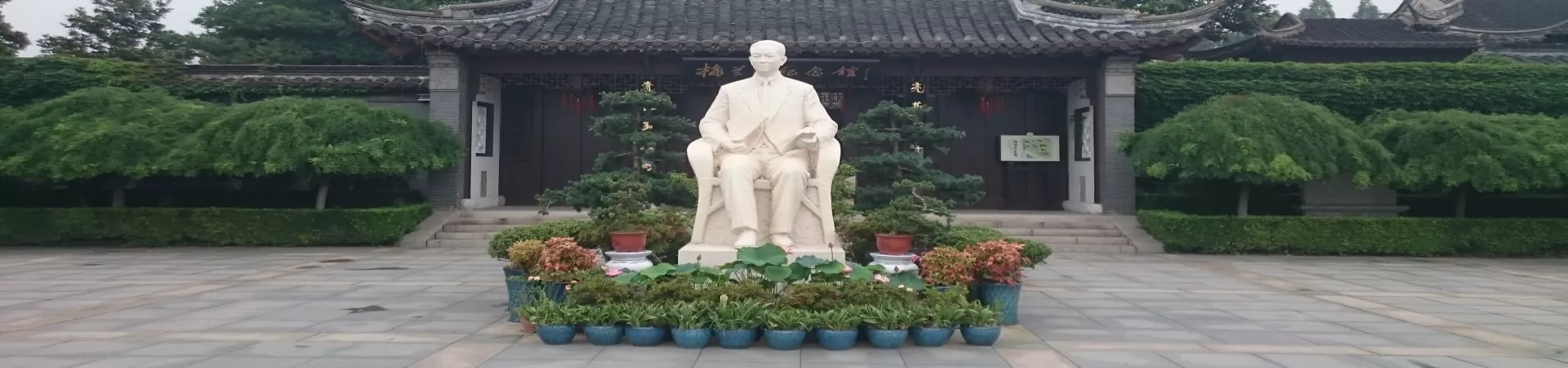
Subtitle: A Journey into the Art and Legacy of a Peking Opera Master
Introduction: The Cultural Heart of Taizhou
Nestled within the historic city of Taizhou in Jiangsu Province, the Mei Lanfang Park stands not merely as a scenic green space but as a profound cultural sanctuary dedicated to the memory and artistry of Mei Lanfang, the world-renowned master of Peking Opera. This park transcends the typical museum experience; it is a meticulously crafted environment where architecture, nature, and history harmonize to tell the story of a man who became an international symbol of Chinese theatrical art. A visit here is an immersive journey, offering insights into the exquisite world of traditional Chinese opera and the life of its most iconic figure. It is an essential destination for cultural enthusiasts, history buffs, and anyone seeking to understand a pivotal chapter in China's artistic heritage.
Section 1: The Life and Times of Mei Lanfang
1.1 From Prodigy to Global Icon Mei Lanfang (1894-1961) was born into a family of opera performers and began his rigorous training at the tender age of eight. Rising to prominence in the early 20th century, he revolutionized Peking Opera, particularly the dan role (female impersonation), with his unparalleled artistry, innovative techniques, and deep emotional expression. His fame extended far beyond China; international tours in the 1910s-1930s to Japan, the United States, and the Soviet Union introduced Western audiences to the sophistication of Chinese opera, earning him critical acclaim and friendships with figures like Charlie Chaplin and Konstantin Stanislavski. He was not just a performer but a cultural ambassador.
1.2 Legacy and Resilience Mei Lanfang's life was also marked by profound patriotism and resilience. During the Japanese occupation in the 1930s and 40s, he famously grew a mustache and refused to perform, living in seclusion to protest the invasion—a powerful act of silent defiance that cemented his status as a national hero. After the founding of the People's Republic of China, he continued to perform, teach, and lead efforts to preserve and reform Peking Opera, leaving an indelible mark on its development.
Section 2: Exploring the Park's Layout and Exhibits
2.1 The Memorial Hall: A Treasure Trove of Artifacts The centerpiece of the park is the Mei Lanfang Memorial Hall. This modern exhibition space houses an extensive and invaluable collection of artifacts from the master's life and career. * Costumes and Headdresses: Visitors can marvel at the breathtakingly elaborate stage costumes and ornate headdresses (tou kui) worn by Mei Lanfang. Each piece is a masterpiece of silk embroidery, beading, and craftsmanship, reflecting the character's status and personality. * Performance Photographs and Manuscripts: Rare historical photographs capture iconic moments from his stage performances and international tours. Original scripts, handwritten notes, and musical scores provide a glimpse into his creative process. * Personal Effects: More intimate items, such as his makeup kit, personal seals, gifts from foreign admirers, and everyday objects, paint a picture of the man behind the legendary stage persona.
2.2 The Reconstructed Former Residence: A Glimpse into Daily Life Adjacent to the memorial hall is a faithful reconstruction of Mei Lanfang's former residence in Beijing. This traditional courtyard-style (siheyuan) compound allows visitors to step into his private world. * Study and Reception Rooms: These rooms are furnished as they would have been, showcasing his scholarly pursuits and the environment where he entertained distinguished guests from around the world. * The Practice Room: Perhaps the most evocative space, this room highlights the discipline behind the beauty, reminding visitors of the years of relentless practice that underpinned his flawless stage presence.
2.3 The Theatrical Spaces and Gardens The park seamlessly integrates exhibition with experience. * The Open-Air Theater: A classical Chinese-style stage is set amidst the gardens, where performances of Peking Opera excerpts are periodically held. The experience of hearing the resonant melodies and seeing performers in this setting is unforgettable. * Landscaped Gardens: Traditional Chinese landscaping with pavilions, rockeries, ponds, and winding paths surrounds the buildings. Statues and stone carvings depicting Mei Lanfang in famous roles are strategically placed, creating a serene atmosphere for contemplation.
Section 3: Practical Information for Your Visit
3.1 Location and Accessibility Mei Lanfang Park is located in the Hailing District of Taizhou City, Jiangsu Province. It is easily accessible by public bus or taxi from downtown Taizhou. The park's design is generally accessible, with paved pathways connecting major exhibits.
3.2 Admission and Operating Hours * Admission Fee: The entrance ticket is priced at 15 RMB per person, offering exceptional value for the depth of cultural experience provided. * Opening Hours: The park is open daily from 08:00 to 17:30, throughout the year (January 1st to December 31st, Monday through Sunday). It is advisable to allocate at least 2 to 3 hours for a thorough visit to explore the exhibits and gardens at a comfortable pace.
3.3 Enhancing Your Experience * Guided Tours: Inquire at the entrance about the availability of guided tours or audio guides, which can provide richer context to the exhibits. * Performance Schedule: Check the park's official noticeboards or contact them in advance to see if any live opera performances are scheduled during your visit. * Contact Information: For specific inquiries, you can reach the park administration at 0523-86225650 or 0523-86227454.
Section 4: The Enduring Significance of the Park
4.1 More Than a Museum: A Living Cultural Center The Mei Lanfang Park serves a vital role as a living institution. It is not only a repository of the past but also an active center for the perpetuation of Peking Opera. Through regular performances, educational programs, and academic research it fosters, the park ensures that Mei Lanfang's artistic innovations and dedication continue to inspire new generations of performers and audiences.
4.2 A Bridge Between Eras and Cultures Finally, the park stands as a powerful bridge. It connects the past glory of traditional Chinese art with contemporary appreciation. It also symbolizes the dialogue between Eastern and Western cultures that Mei Lanfang himself championed. Walking through its quiet gardens and halls, one gains an appreciation for an art form that embodies aesthetic philosophy, historical narrative, and technical virtuosity, all channeled through the legacy of its greatest master.