Huangqiao Ancient Town
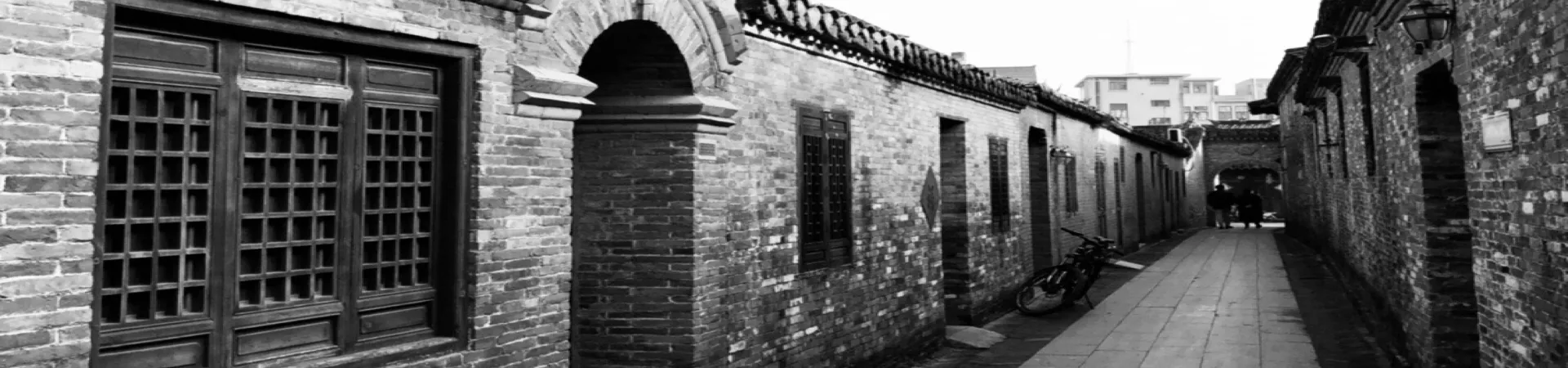
Huangqiao Ancient Town: A Living Chronicle of Jiangsu's Heritage
Subtitle: Where History Whispers from Every Cobblestone and Canal
Nestled in the heart of Jiangsu province, within the administrative bounds of Taizhou City's Taixing County, lies Huangqiao Ancient Town—a place where time seems to have gracefully decelerated. Founded during the Yuanfeng era of Emperor Shenzong in the Northern Song Dynasty (circa 1078-1085 AD), Huangqiao is not merely a town but a living museum, a testament to over a millennium of continuous history and cultural sedimentation. Its strategic location, bordering the Yangtze River to the south, connecting to Rugao to the east, and adjoining Jiangyan to the north, historically cemented its role as a crucial gateway and the largest market town linking central and northern Jiangsu with the prosperous southern regions. This position fostered a unique blend of influences, making Huangqiao a vibrant hub of commerce, culture, and resilience.
I. A Tapestry of History and Architecture
1.1 The Legacy of Centuries Walking through Huangqiao is akin to flipping through the pages of a well-preserved historical text. Its establishment over 900 years ago laid the foundation for a rich narrative that spans dynasties. The town's layout and structures silently narrate tales from the Song, Yuan, Ming, and Qing dynasties. However, Huangqiao's modern historical significance is profoundly marked by the Huangqiao Campaign of 1940, a pivotal battle in the Sino-Japanese War and a cornerstone of the New Fourth Army's legacy in eastern China. This event imbues the town with a deep sense of patriotic memory, seamlessly woven into its ancient fabric.
1.2 Architectural Harmony: Streets, Canals, and Courtyards The town's physical charm lies in its authentic preservation of Jiangsu water-town architecture. The urban fabric is a harmonious network of ancient flagstone streets, serene canals crossed by time-worn stone bridges, and rows of traditional buildings featuring white-washed walls, dark grey tiles, and elegantly carved wooden doors and windows.
- Key Historic Lanes: Streets like the Fengxian Lane and Zhiye Lane are particularly evocative, where the sound of footsteps on smooth stones echoes against walls that have witnessed centuries of daily life.
- Courtyard Houses (Siyuan): Scattered throughout are well-preserved courtyard complexes, such as the former residences of notable merchants or literati. These compounds, with their central courtyards, wooden lattice work, and tranquil gardens, offer a glimpse into the domestic life and aesthetic sensibilities of past eras.
- The Water Network: The canals are the town's lifelines, historically used for transport and trade. A leisurely boat ride offers a unique, low-angle perspective of the ancient houses leaning over the water, their reflections shimmering below.
II. Cultural Depth: Beyond the Visual Landscape
2.1 The Huangqiao Sesame Cake: A Taste of History Perhaps no aspect of Huangqiao's culture is as famous or as delicious as its Huangqiao Sesame Cake (Huangqiao Shaobing). This baked pastry, with its crispy, multi-layered crust and savory fillings, transcends being mere local cuisine. During the Huangqiao Campaign, these cakes were mass-produced to support the troops, earning the saying, "The Huangqiao sesame cakes were numerous, helping to win the great battle." Today, visiting a traditional workshop to see the cakes being made and tasting the fresh, warm product is an essential sensory experience that connects visitors directly to the town's heroic past.
2.2 Traditions and Performing Arts The town's cultural richness extends to traditional arts. The sounds of local opera or folk melodies occasionally drift through the air. Huangqiao's folk customs, visible during traditional festivals, showcase rituals, dragon dances, or lantern displays that have been passed down through generations, reflecting the community's spiritual life and agricultural roots.
2.3 Museums and Memorial Halls To fully understand its layered history, several sites are key: * Memorial Hall of the Huangqiao Campaign: This hall provides a comprehensive and solemn overview of the 1940 battle through historical documents, artifacts, and dioramas, honoring the memory of the revolutionaries. * Former Site of the New Fourth Army Command: These restored buildings allow visitors to stand in the very rooms where strategic decisions were made, adding a powerful, tangible dimension to the historical narrative. * Various Cultural Exhibition Halls: Smaller halls often focus on specific themes like ancient coins, calligraphy, or daily utensils, detailing the town's socio-economic history.
III. The Visitor Experience: Immersion and Exploration
3.1 Navigating the Town The best way to experience Huangqiao is on foot. Allow yourself to get lost in its labyrinthine alleyways, away from the main thoroughfares. Each turn can reveal a hidden courtyard, a small family shrine, or a local artisan at work. The pace of life here remains refreshingly slow, dominated by the rhythms of residents going about their daily routines—washing vegetables by the canal, chatting with neighbors on doorsteps, or airing out bedding in the sun.
3.2 Local Life and Crafts Interaction with the local community is part of the charm. Visitors might observe or even try their hand at traditional crafts, such as bamboo weaving or making clay figurines. Engaging with shopkeepers, many of whom have lived here for decades, often yields personal stories and insights no guidebook can provide.
3.3 Seasonal Ambiance The town's character shifts with the seasons. Spring brings blossoms and mild weather, ideal for exploration. Summer sees lush greenery reflecting in the canals. Autumn offers clear skies and comfortable temperatures, while Winter can cloak the grey-tiled roofs in a rare, poetic frost, with the smell of sesame cakes baking providing a warm olfactory comfort.
IV. Practical Information for Travelers
4.1 Location and Accessibility * Address: Huangqiao Town, Taixing City, Taizhou, Jiangsu Province, China. * Transport: The town is accessible via Taixing Huangqiao Bus Station. Visitors can take long-distance buses from major cities like Nanjing, Shanghai, or Yangzhou to Taixing, followed by a local bus or taxi to Huangqiao. Self-driving is also convenient, with parking available near the town entrance.
4.2 Admission and Operating Hours * Admission Fees: As policies may change, it is highly recommended to consult the scenic area directly for the latest details on ticket prices and any combined passes for specific museums or sites. * Opening Hours: The ancient town's public streets, canals, and exterior views are accessible 24 hours a day, all year round. However, specific indoor attractions such as the Memorial Hall, command post sites, and curated museums generally operate during standard daytime hours (typically ~8:30 AM to 5:00 PM). It is advisable to plan visits to these indoor sites accordingly.
4.3 Planning Your Visit * Recommended Duration: A full day is ideal to thoroughly explore the lanes, visit key museums, enjoy a boat ride, and savor local food at a leisurely pace. * Dining: Besides the iconic sesame cakes, the town offers local Jiangsu cuisine in small, family-run restaurants, featuring fresh river fish, tofu dishes, and seasonal vegetables. * Accommodation: For a deeper immersion, consider staying overnight in a locally-run guesthouse within the old town. This allows you to experience the serene atmosphere after day-trippers have left.
Huangqiao Ancient Town ultimately offers more than picturesque scenery; it offers a journey through time. It is a place where the weight of history is balanced by the lightness of daily life, where the aroma of baking sesame cakes mingles with the scent of old wood and damp stone, creating an unforgettable tapestry of sensory and historical discovery.
Information last verified: January 8, 2023. Credits to contributing editors.