Miaoyin Temple
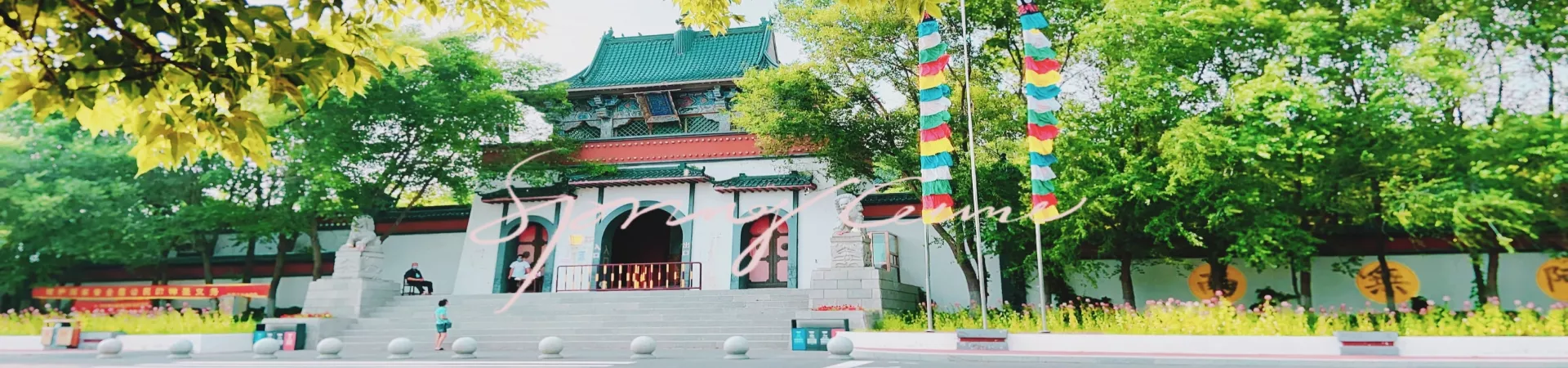
Subtitle: A Spiritual Jewel on the Songyuan Plains: Exploring Miaoyin Temple
Introduction: A Unique Sanctuary in the Northeast
Nestled within the vast and fertile landscapes of Songyuan City in Jilin Province, China, lies a spiritual and architectural anomaly: Miaoyin Temple. This sacred site holds the distinguished title of being the only Tibetan Buddhist temple within Jilin Province, offering a profound and unexpected cultural encounter in the heart of Northeast China. More than just a place of worship, Miaoyin Temple serves as a vibrant testament to cultural synthesis, where the majestic artistic traditions of Tibetan Buddhism harmoniously blend with the foundational principles of classical Chinese architecture. A visit here is not merely a sightseeing stop but a journey into a space where diverse spiritual and aesthetic lineages converge, creating an atmosphere of serene grandeur that captivates both pilgrims and secular visitors alike.
Architectural Symphony: A Fusion of Han and Tibetan Traditions
The most immediately striking aspect of Miaoyin Temple is its unique architectural philosophy. It masterfully employs a Han-Tibetan combined style, a deliberate and thoughtful integration that is evident in every structure. The overall layout adheres to the traditional Chinese axial symmetry, a design principle representing balance, order, and harmony. This means the temple's major halls are arranged along a central north-south axis, guiding visitors on a deliberate, contemplative path through the complex.
Upon this symmetrical canvas, the vivid and symbolic artistry of Tibetan Buddhism is brilliantly displayed. The temple's color palette is a visual mantra in itself: pristine white walls, representing purity and peace; elegant green glazed tiles, symbolizing life and compassion; and resplendent golden roofs, gleaming towards the heavens as an emblem of enlightenment and the Buddha's wisdom. A defining feature is the brown-red "Bianma" wall, a textured band often made from bundled tamarisk branches, which runs along the upper sections of many buildings. This iconic Tibetan element beautifully frames and accentuates the golden sacred ornaments it supports: shimmering copper mirrors believed to ward off evil, intricate temple emblems, majestic golden pinnacles, and the eternally turning Dharma wheels, symbolizing the Buddha's teachings.
The Heart of the Temple: The Grand Hall of Great Heroes
At the physical and spiritual core of the complex, standing solemnly upon a raised white stone platform, is the Grand Hall of Great Heroes (Daxiong Baodian). As the central main hall, its imposing three-tiered structure dominates the courtyard, each level subtly receding to create a powerful, ascending silhouette against the sky. This multi-storied design is a hallmark of its blended heritage, incorporating vertical emphasis seen in Tibetan architecture within a fundamentally Chinese pavilion form.
Inside this hall resides the primary object of veneration: the magnificent gilded statues of the Buddhas of the Three Times. These serene and awe-inspiring figures represent the Buddha of the Past (Dipamkara), the Buddha of the Present (Shakyamuni), and the Buddha of the Future (Maitreya). The hall's interior is a dimly lit, incense-filled sanctuary of quiet devotion, where the golden Buddha figures are illuminated by the soft glow of butter lamps and colored light filtering through draped silk banners, inviting deep reflection.
The Pinnacle of Devotion: The Hall of Ten Thousand Buddhas
If the Grand Hall is the heart, then the Hall of Ten Thousand Buddhas (Wanfo Dian) is undoubtedly the crowning glory of Miaoyin Temple. True to its name, this structure is the tallest and largest Buddha hall within the entire monastery compound. Its scale is breathtaking, designed to evoke a sense of boundless spiritual capacity. Architecturally, it represents the pinnacle of the Han-Tibetan combined style seen throughout the temple. The hall's formidable size and expansive interior space are engineered to accommodate its sacred mission: housing a breathtaking array of Buddha images, potentially numbering in the thousands, which line the walls or are enshrined within intricate altars.
The atmosphere within this colossal hall is one of overwhelming sacred presence. The concept of "ten thousand Buddhas" visually represents the infinite manifestations of enlightenment and the boundless compassion permeating the universe. For visitors, standing in this space is an immersive experience, surrounded on all sides by countless representations of serenity and wisdom, making it the most profound point of contemplation within the temple grounds.
Practical Information for Your Visit
To fully appreciate the architectural details, peaceful ambiance, and spiritual depth of Miaoyin Temple, visitors should allocate approximately 1 to 3 hours. This allows sufficient time to walk the central axis, admire the exterior color schemes and intricate decorations, enter the main halls for quiet observation, and perhaps witness the daily rhythms of monastic life. The temple stands as a unique cultural bridge in Jilin Province, offering a serene yet powerful journey through art, architecture, and faith, leaving a lasting impression of harmonious coexistence far from the high plateaus of Tibet.