Fishing and Hunting Culture Museum
Subtitle: A Journey Through Ten Millennia of Fishing and Hunting Traditions on the Shores of Chagan Lake
Introduction: A Portal to Ancient Rhythms
Nestled on the banks of the legendary Chagan Lake in Songyuan, China, the Fishing and Hunting Culture Museum stands as a dedicated chronicler of an extraordinary heritage. It is far more than a simple collection of artifacts; it is a profound narrative woven across time. The museum's core mission is to present the complete and continuous over-ten-thousand-year history of fishing and hunting at Chagan Lake. It achieves this by vividly illustrating the lake's rich natural resources and evolutionary history, which formed the very foundation of this enduring culture. Furthermore, by tracing cultural homologies, the museum ambitiously contextualizes this local tradition within a broader framework, offering comparative summaries of fishing and hunting cultures from across the globe, as well as distinct practices from both northern and southern China. A visit here is an immersive exploration of humanity's intricate relationship with water and land, showcasing adaptation, reverence, and survival.
1. The Foundation: Chagan Lake's Natural Bounty and Historical Tapestry
1.1. An Ecological Treasure The story begins not with humans, but with the environment that made everything possible. This section delves into the natural history of Chagan Lake itself. Exhibits detail the unique ecology of this vast freshwater body, explaining the geological and climatic forces that shaped it. Displays showcase the diverse flora and fauna that have called it home, with a particular focus on the aquatic life that has sustained generations. From ancient fish species to migratory bird patterns, visitors gain an understanding of the abundant natural resources that attracted and supported human communities for millennia.
1.2. Archaeological Beginnings: The First Harvests Here, the narrative of human interaction begins. Through archaeological findings, including tools, pottery shards, and settlement remnants, this subsection traces the earliest evidence of human activity around Chagan Lake. It illustrates how prehistoric communities first learned to harness the lake's bounty, developing rudimentary fishing techniques and hunting strategies for nearby wildlife. These artifacts are not merely objects; they are testaments to the dawn of a specialized cultural practice that would define the region.
2. The Evolution of a Living Tradition at Chagan Lake
2.1. Millennia of Innovation and Adaptation This core section forms the heart of the museum, dynamically presenting the unbroken thread of fishing and hunting practices from ancient times to the near-present. It moves chronologically, highlighting key technological innovations—from bone hooks and stone weights to more sophisticated nets and tools. Each era is brought to life through detailed dioramas, reconstructed historical scenes, and multimedia presentations.
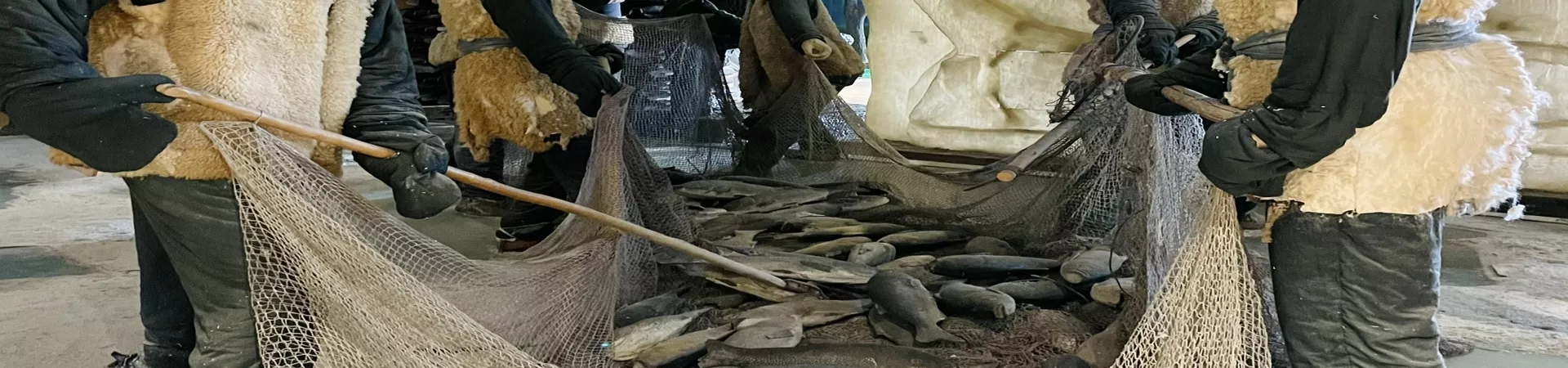
2.2. The Iconic Winter Fishery A significant and visually stunning part of this exhibition is dedicated to Chagan Lake's world-famous winter ice fishing tradition. This practice is a spectacular fusion of ancient method and communal effort. Exhibits explain the unique techniques passed down through families, including the crafting of tools for drilling through thick ice and the use of large-scale netting systems. The cultural and ritualistic aspects are emphasized, particularly the revered "Sacred Lake, Sacrificial Offering" ceremony, which reflects a deep spiritual respect for nature and a prayer for continued abundance. This section captures the breathtaking sight of the winter harvest, a symbol of harmony between human endeavor and natural cycles.
3. Contextualizing the Culture: A Global and National Perspective
3.1. Chagan Lake in the World of Fishing and Hunting Cultures To appreciate the local tradition fully, the museum invites comparisons. This section broadens the scope, presenting an overview of fishing and hunting cultures from different continents—from the maritime traditions of the Nordic peoples and the indigenous communities of the Pacific Northwest to the river-based societies of Southeast Asia. By drawing parallels and contrasts in tools, beliefs, and social organization related to subsistence hunting and fishing, it highlights both the universal human themes and the unique adaptations born of specific environments.
3.2. North-South Divergence within China Within the Chinese context, the museum offers a insightful analysis of the differences between northern and southern fishing and hunting traditions. Northern cultures, like that of Chagan Lake, often centered on lake/plains ecology, seasonal ice fishing, and hunting of steppe or forest game, leading to distinct tools, clothing, and communal structures. Southern traditions, influenced by rivers, coastlines, and subtropical climates, developed different boat designs, fishing techniques, and prey focuses. This comparison underscores how geography and climate fundamentally shaped the development of these parallel yet distinct cultural expressions across the nation.
4. Practical Information for Your Visit
4.1. Planning Your Exploration To ensure a fulfilling visit, please note the following practical details. The museum offers a rich and detailed exhibition, and visitors typically spend between 1 to 3 hours to fully appreciate its collections and narratives. The depth of your engagement will naturally influence the duration of your stay.
4.2. Opening Hours and Access The museum is open year-round, providing access to this cultural journey in all seasons. The operating hours are from 08:00 to 16:30 daily. Please be advised that the last admission is at 16:00, allowing sufficient time for a concluding part of your visit. For any specific inquiries or to confirm details prior to your visit, you may contact the museum at 0438-2990055.