Ciyun Temple
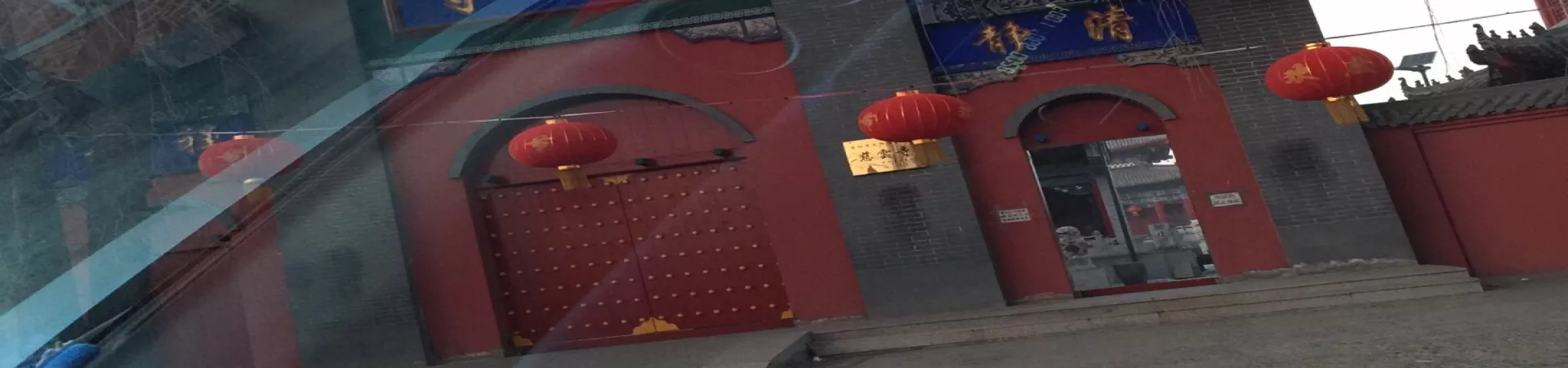
Subtitle: A Journey into Tranquility: Discovering Songyuan's Ciyun Temple
Introduction: The Allure of Ciyun Temple
Nestled within the cultural landscape of Songyuan City in China's Jilin Province, Ciyun Temple stands as a serene sanctuary far from the clamor of modern urban life. More than just a historical site, it is a living center of Buddhist practice, architectural artistry, and profound peace. For travelers seeking spiritual enrichment, cultural depth, or simply a moment of quiet contemplation amidst beautiful surroundings, Ciyun Temple offers an immersive and unforgettable experience. This guide delves into the temple's essence, exploring its historical roots, architectural wonders, spiritual significance, and practical visitor information to fully prepare you for a meaningful visit.
1. Historical Roots and Spiritual Significance
1.1. Origins and Legacy While precise founding dates may be intertwined with local lore, Ciyun Temple's establishment is deeply rooted in the spread of Buddhism throughout Northeast China. Its name, "Ciyun," translates to "Compassion Cloud," reflecting core Buddhist virtues of mercy and kindness that blanket all beings like a benevolent cloud. The temple has served for generations as a pivotal center for Buddhist teaching, meditation, and community gatherings, weathering periods of change while maintaining its spiritual mission. It represents not only religious devotion but also the enduring cultural and historical fabric of the Songyuan region.
1.2. A Living Monastery Unlike some temples that function primarily as museums, Ciyun Temple remains an active monastery. The presence of resident monks who perform daily rituals, chant sutras, and engage in meditation practices adds a palpable, authentic energy to the atmosphere. Visitors have the unique opportunity to witness the rhythm of monastic life, which may include morning ceremonies or evening prayers, offering a genuine glimpse into a timeless spiritual discipline.
2. Architectural and Artistic Harmony
2.1. Layout and Spatial Philosophy The temple complex is a classic example of traditional Chinese Buddhist temple architecture, designed according to principles of symmetry, hierarchy, and harmony with nature. Typically, the layout progresses along a central north-south axis, guiding visitors through a sequence of courtyards and halls that symbolize a spiritual journey from the secular world toward enlightenment.
2.2. Major Halls and Their Deities * The Mountain Gate (Shanmen): The entrance gate, often guarded by formidable statues of the Heavenly Kings (Lokapalas), marks the transition from the external world into the sacred precinct. * The Hall of Heavenly Kings (Tianwang Dian): This first major hall houses the statues of the Four Heavenly Kings, protectors of the Dharma, and a central, welcoming statue of Maitreya Buddha (the Future Buddha). * The Grand Hall (Daxiong Baodian): The heart of any Buddhist temple, this principal hall is dedicated to the historical Buddha, Shakyamuni. It often features a magnificent triad of statues—Shakyamuni flanked by two attendants, such as Bodhisattvas Manjushri and Samantabhadra. The hall is used for the most important ceremonies and sutra recitations. * The Hall of Bodhisattvas or Sutra Repository: Other halls may be dedicated to revered Bodhisattvas like Guanyin (Avalokiteshvara, the Goddess of Mercy), known for compassion, or Ksitigarbha, known for his vow to aid beings in the underworld. A sutra library may house precious Buddhist texts.
2.3. Artistic Details The architectural beauty is in the details: the sweeping, upward-curving roofs adorned with mythical creatures, the intricate wooden bracketing systems (dougong), and the vibrant color schemes of red, green, gold, and blue. Inside, the halls are adorned with exquisite statues, detailed murals depicting Buddhist parables and scenes, embroidered banners, and offerings of incense, flowers, and light, creating a multisensory environment of devotion.
3. The Visitor Experience: Immersion and Etiquette
3.1. Atmosphere and Activities Upon entering the temple grounds, a sense of profound calm descends. The air carries the subtle fragrance of sandalwood incense, mingled with the natural scents of ancient cypress or pine trees. The soundscape is defined by the low murmur of prayers, the rhythmic tolling of a bell, or the gentle clack of a wooden fish percussion instrument. Visitors are welcome to participate respectfully by lighting incense, making a modest offering, or simply sitting quietly in a courtyard to absorb the tranquility.
3.2. Essential Visitor Etiquette To ensure a respectful and harmonious visit, please observe these guidelines: * Dress Modestly: Avoid sleeveless tops, short shorts, or revealing clothing. Shoulders and knees should be covered as a sign of respect. * Quiet Demeanor: Speak in a low voice and silence mobile phones. This maintains the contemplative atmosphere for all. * Photography Rules: Always look for and obey signs regarding photography. Flash photography is usually prohibited inside halls. Never photograph monks during private meditation or prayer without explicit permission. * Respect Rituals: Do not walk directly in front of people who are praying or interrupt ceremonies. When in doubt, observe and follow the lead of devotees. * Circumambulation: It is customary to walk around stupas, halls, or statues in a clockwise direction as a sign of reverence.
4. Practical Information for Your Journey
4.1. Location and Access Ciyun Temple is located within or near the city of Songyuan, Jilin Province. Songyuan itself is well-connected by rail and road to major cities like Changchun and Harbin. The specific temple location can be pinpointed using digital maps. Local taxis or public buses are typically available to reach the site.
4.2. Suggested Visiting Hours and Duration The temple is generally open to visitors daily during daylight hours. The most atmospheric times to visit are early morning or late afternoon, when you might observe monastic activities and enjoy softer light for photography. Plan to spend at least 1.5 to 2.5 hours to explore the complex at a leisurely, contemplative pace.
4.3. Contact Information For the most current information regarding opening hours, special events, or closures, you may contact the temple directly. * Telephone: 0451-57237611
4.4. Surrounding Attractions Consider combining your visit to Ciyun Temple with other notable sites in the Songyuan area to enrich your trip. The city is situated near the renowned Chagan Lake, famous for its winter fishing tradition and vast natural beauty. The Songhua River also offers scenic vistas and opportunities for relaxation. Exploring local markets to sample Jilin's culinary specialties can provide a delightful cultural counterpoint to the spiritual retreat of the temple.