Xinyuan Cultural City
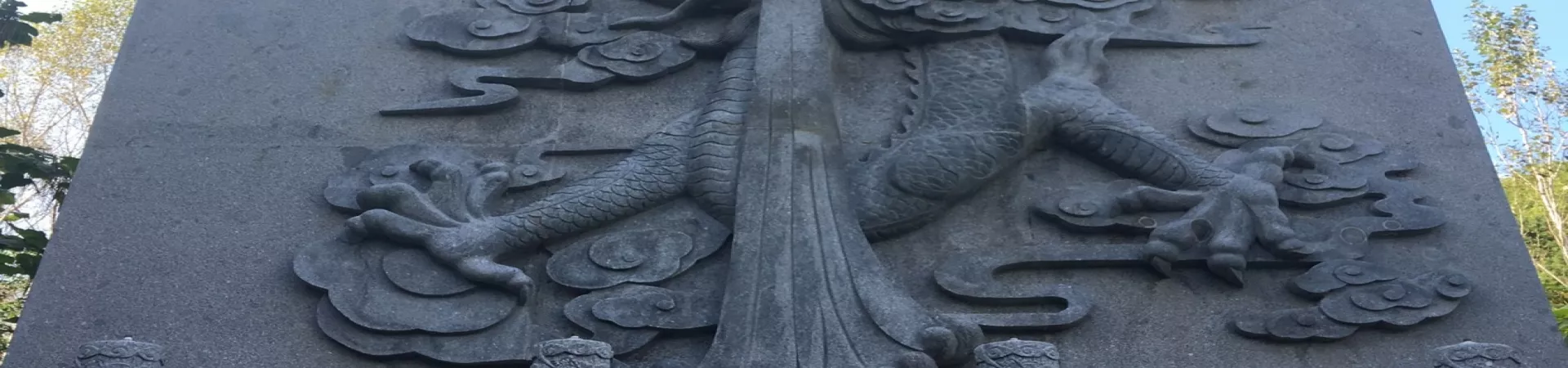
Subtitle: A Journey Through Time and Culture in China's Northeast
Introduction: Where History and Modernity Converge
Nestled in the heart of China's northeastern Jilin Province, Siping City might not be the first name on every international traveler's itinerary. However, for the discerning visitor seeking an authentic encounter with the region's profound historical layers, vibrant local culture, and a unique blend of ecological and urban development, Siping offers a compelling destination. Within this context, the Xinyuan Cultural City (馨苑文化城) emerges as a distinctive and ambitious project. It is more than a single attraction; it is a comprehensive cultural complex designed to encapsulate and celebrate the essence of the region. This integrated space serves as a gateway to understanding Northeast China's past, present, and future, providing an immersive experience that educates, entertains, and inspires.
1. The Essence of Xinyuan Cultural City: A Multifaceted Tapestry
At its core, Xinyuan Cultural City is conceived as a living canvas that portrays the cultural soul of Siping and the broader Northeast. It transcends the conventional museum model by creating an interactive environment where history is not just displayed but felt and experienced.
1.1. Architectural Philosophy and Design The architecture of the cultural city is itself a narrative. It skillfully integrates traditional Manchurian and Northeastern Chinese architectural motifs with contemporary design principles. Visitors will notice sweeping roofs, intricate woodwork, and courtyards that echo historical residences, all harmonized with modern facilities, spacious plazas, and green landscapes. This deliberate fusion symbolizes the city's dialogue between its rich heritage and its progressive aspirations, offering a visually stunning backdrop for exploration.
1.2. A Hub for Cultural Exchange and Learning The complex is designed to be a dynamic center for cultural exchange. It hosts a variety of venues dedicated to the arts, history, and local traditions, making it an invaluable resource for both education and appreciation.
2. Core Attractions and Experiences Within the Cultural City
The experience at Xinyuan Cultural City is multi-layered, catering to diverse interests from history and art to leisure and gastronomy.
2.1. The Regional History Museum 2.1.1. Exhibits and Collections This is likely the cornerstone of the complex. The museum would chronicle the long and complex history of the Siping area, from ancient nomadic tribes and the powerful Liao and Jin dynasties to its strategic significance in modern Chinese history, including the famous Siping Campaigns during the Chinese Civil War. Artifacts, detailed dioramas, multimedia presentations, and personal narratives would bring this history to life.
2.1.2. Focus on Local Ethnic Heritage A significant portion would be dedicated to the cultures of the Manchu, Mongol, and other ethnic groups that have shaped the region. Exhibits on traditional clothing, hunting tools, religious practices (like Shamanism), and folk art provide deep insight into the indigenous ways of life.
2.2. Folk Art and Craftsmanship Pavilions 2.2.1. Live Demonstrations and Workshops Here, the intangible cultural heritage takes center stage. Visitors can witness master artisans practicing and teaching traditional skills such as paper-cutting (Jianzhi), fabric dyeing, dough figurine sculpting, and the creation of the iconic Errenzhuan (a local song-and-dance duet) masks. Interactive workshops offer a chance to try one's hand at these crafts.
2.2.2. Souvenir and Artisan Market Adjacent areas likely feature a market where visitors can purchase authentic, handcrafted souvenirs directly from the artisans, supporting the preservation of these traditional arts.
2.3. Performing Arts Center and Theaters 2.3.1. Showcasing Northeast Chinese Performing Arts A state-of-the-art theater within the complex would regularly host performances of Errenzhuan, which is renowned for its humor, lively singing, and acrobatics. Other performances might include traditional Manchurian dances, local opera forms, and modern theatrical productions that draw on regional stories.
2.4. Culinary Experience Zone 2.4.1. A Taste of the Northeast No cultural immersion is complete without food. This zone would feature a variety of dining options, from casual food stalls to sit-down restaurants, all specializing in Northeastern Chinese (Dongbei) cuisine. Visitors can savor hearty dishes like Guo Bao Rou (sweet and sour pork), Di San Xian (a stir-fry of potato, eggplant, and pepper), various dumplings (Jiaozi), and robust stews, all reflecting the region's agricultural abundance and culinary warmth.
3. The Broader Context: Siping as a Destination
Understanding Xinyuan Cultural City is enhanced by exploring its surroundings. Siping itself holds historical and natural significance.
3.1. Historical Significance of Siping 3.1.1. The "City of Heroes" Siping earned the nickname "City of Heroes" due to the fierce and pivotal battles fought here. History enthusiasts can visit memorial sites and parks dedicated to this period, adding a profound layer of modern historical understanding to the ancient and ethnic history explored in the cultural city.
3.2. Natural Beauty and Ecotourism 3.2.1. Lishu Bog and Wetland Parks Contrasting with urban and historical sites, the area around Siping is known for its important wetlands, such as the Lishu Bog. These ecosystems are vital for migratory birds and offer opportunities for birdwatching, photography, and appreciating a different, serene aspect of Jilin's landscape.
4. Practical Information for the Visitor
To ensure a smooth and enriching visit to Xinyuan Cultural City and Siping, consider the following practical details.
4.1. Planning Your Visit 4.1.1. Best Time to Visit The ideal times are late spring (May-June) and early autumn (September-October), when the weather in Jilin is mild and pleasant. Winters are extremely cold but offer a uniquely stark and beautiful landscape, along with winter festivals.
4.1.2. Suggested Duration A full day is recommended to thoroughly explore the Xinyuan Cultural City complex without rush. To experience Siping's other historical sites and natural areas, a stay of 2-3 days is advisable.
4.2. Accessibility and Location 4.2.1. Transportation Links Siping is a major transportation hub in Jilin. It is well-connected by high-speed rail to cities like Changchun and Shenyang. The Siping Railway Station is a historic landmark in its own right. The city is also accessible via national highways. Xinyuan Cultural City is likely situated with convenient access from the city center, possibly via public bus or taxi.
4.3. Contact and Communication For the most current information regarding opening hours, ticket prices, special event schedules, or to arrange group visits, it is recommended to contact the management of Xinyuan Cultural City directly. Relevant contact numbers may include: +86 15734499906 and +86 434 3562555.