Siping Battle Memorial Hall
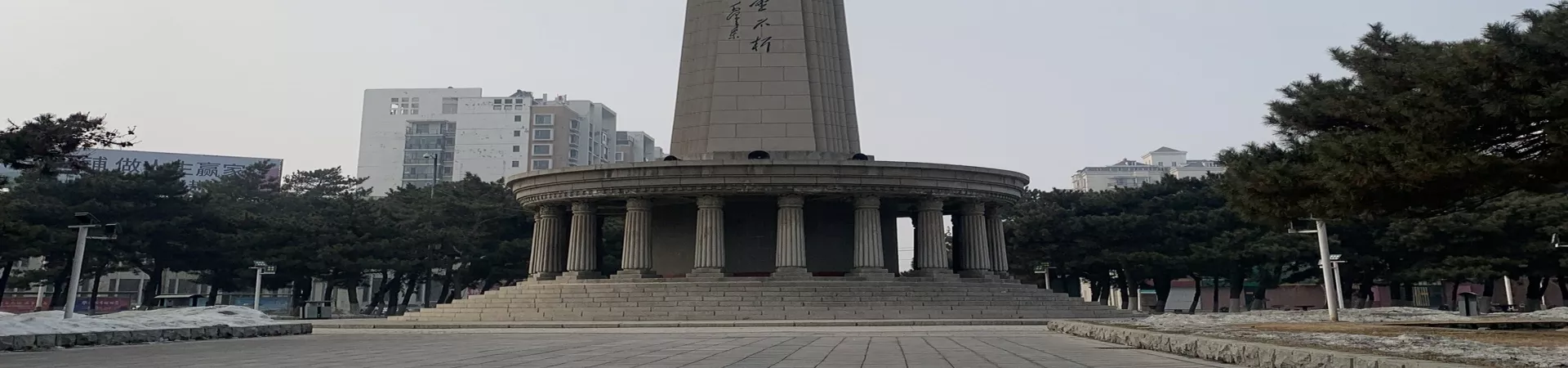
A Visitor's Guide to the Siping Campaign Memorial Hall
Subtitle: Commemorating a Pivotal Chapter in China's Liberation History
1. Introduction: The City of Heroes and Its Legacy Nestled in the Jilin province of Northeast China, the city of Siping holds a profound place in modern Chinese history. Its name is inextricably linked to a series of fierce and strategically critical battles fought during the Chinese Liberation War (1945-1949). To understand the struggle that shaped the nation's destiny, a visit to the Siping Campaign Memorial Hall is not just educational; it is a journey into a defining moment of resilience and sacrifice. This guide provides essential information and context for visitors seeking to explore this significant memorial site.
2. Historical Context: Why Siping Mattered
2.1. The Strategic Crossroads Siping's immense strategic importance stemmed from its location as a major railway junction. It was the nexus where the Chinese Changchun Railway, a vital artery in Manchuria (Northeast China), intersected with lines connecting the region to the rest of the country. During the war, control of Siping meant control over the logistical flow of troops and supplies in the Northeast. It was described as the "throat" of Manchuria—whoever held it could exert immense pressure on the entire region.
2.2. The Four Battles of Siping Contrary to what the singular name might suggest, the "Siping Campaign" refers to four major military engagements that raged in and around the city between 1946 and 1948. * The First Battle (March-May 1946): Often called the Battle to Defend Siping, it was a protracted defensive action where the Communist forces, though ultimately withdrawing, gained crucial time to consolidate their position in northern Manchuria. * The Second Battle (June 1947): Part of the Communist forces' Summer Offensive, this was a large-scale, fierce assault that showcased their growing military prowess, though the city remained contested. * The Third Battle (March 1948): A swift and decisive operation that led to the permanent liberation of Siping by the Communist forces, effectively cutting off the Nationalist stronghold in Changchun. * The Fourth Battle (as part of the Liaoshen Campaign, 1948): The defense of Siping against Nationalist relief attempts, securing the Communist rear during the final, decisive campaign in the Northeast.
These battles were among the most intense and costly of the civil war, earning Siping the somber title "City of Sacrifice." The memorial hall is dedicated to preserving the memory of this complex and pivotal struggle.
3. Visiting the Siping Campaign Memorial Hall: Practical Information
3.1. Location and Accessibility The Siping Campaign Memorial Hall is located within the city of Siping, Jilin Province. It is typically accessible by public transportation, taxi, or private vehicle. Visitors are advised to use local maps or navigation apps for the most precise directions from their point of origin.
3.2. Admission and Hours * Admission Fee: The memorial hall offers free admission to all visitors. This policy ensures open access for education and remembrance. * Opening Hours: The memorial is open from 09:00 to 16:30, Tuesday through Sunday, throughout the year. It is closed to the public on Mondays (except possibly for special national holidays, though it is always best to confirm ahead of a Monday visit).
Important Note: The "全天(全天)" notation for Mondays in the provided text appears to be a formatting error or indicates a full-day closure. Standard practice for such institutions in China is closure on Mondays for maintenance. Visitors should plan their trip for Tuesday to Sunday.
3.3. Suggested Duration and Best Time to Visit A comprehensive visit to the memorial hall, including time to view exhibits, reflect, and perhaps walk the grounds, typically requires 1.5 to 3 hours. The indoor nature of the main exhibits makes it a viable destination year-round. Weekdays may offer a quieter, more contemplative experience compared to weekends and Chinese public holidays.
4. Inside the Memorial Hall: Themes and Exhibits
4.1. Architectural and Spatial Design The memorial hall's architecture often embodies solemnity and grandeur, designed to evoke reflection. The layout typically guides visitors through a chronological and thematic journey, starting from the historical background leading to the battles and concluding with their lasting impact.
4.2. Core Exhibition Areas While the specific layout may vary, the exhibits generally encompass several key areas: * Prologue: The Historical Stage: This section sets the context, explaining the geopolitical situation in post-World War II Northeast China and the escalating conflict between the Communist and Nationalist forces. * The Crucible of War: A Chronological Journey: This is the heart of the exhibition. It details each of the four battles through: * Military Maps and Sand Tables: Illustrating troop movements, strategies, and the changing front lines. * Historical Photographs and Documents: Offering a stark, visual record of the combatants, the city's devastation, and key military orders. * Weapons and Artifacts: Displaying uniforms, firearms, personal items, and artillery used during the campaigns, making the history tangible. * The Human Dimension: Sacrifice and Heroism * Portraits and Biographies: Dedicated sections honor prominent commanders from both sides (though primarily focusing on Communist generals like Lin Biao) and, most poignantly, the countless ordinary soldiers who fell. * Personal Effects and Letters: Exhibits of soldiers' letters home, diaries, and other personal items provide a deeply moving, human-scale perspective on the cost of war. * Multimedia and Dioramas: Modern display techniques, including sound and light dioramas, short films, and interactive screens, are used to recreate the atmosphere of the battles, the sounds of warfare, and the intensity of the conflict. * Commemoration and Legacy: The final sections often explore the battles' decisive role in the Liaoshen Campaign and the wider Liberation War. They emphasize themes of peace, national rejuvenation, and the enduring spirit of the "Siping Spirit" — often defined as one of tenacious defense and revolutionary dedication.
4.3. The Monument and Surrounding Grounds Adjacent to or within the memorial hall complex, there is often a towering monument or sculpture dedicated to the heroes of the Siping Campaign. The surrounding park-like grounds serve as a space for quiet contemplation and public remembrance ceremonies.