Dagushan
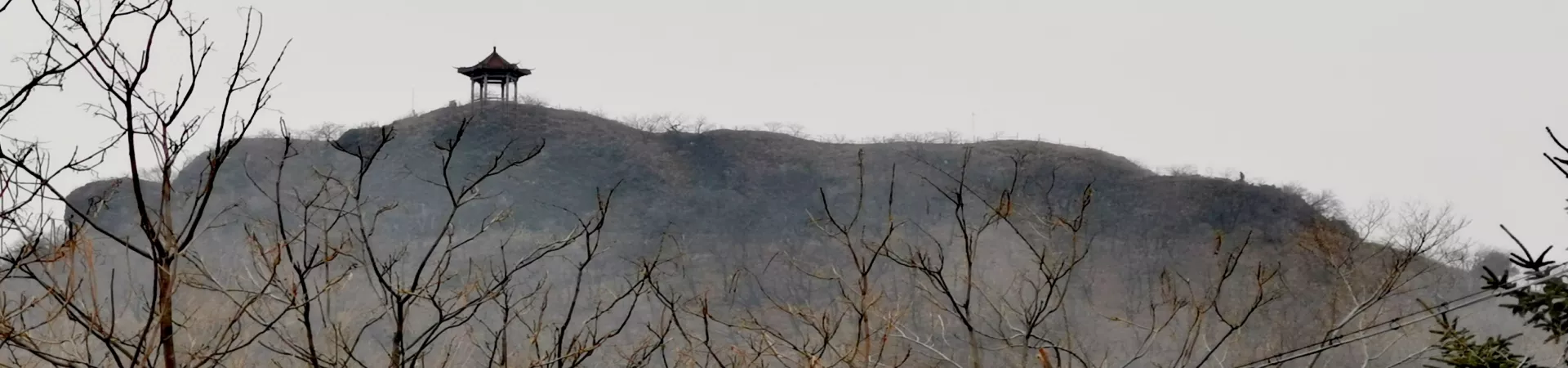
Subtitle: A Journey Through Time and Nature at Siping's Sacred Peak
1. Introduction to Dagu Mountain Nestled within the administrative region of Siping City in Jilin Province, Northeast China, Dagu Mountain stands as a significant cultural and natural landmark. Far more than just a scenic hill, it is a destination steeped in historical reverence, geological wonder, and spiritual tranquility. Often referred to as a "sacred mountain of the Northeast," it attracts visitors not only for its lush forests and unique rock formations but also for its profound association with Chinese folk religion and its status as a site of historical commemoration. A visit here offers a multifaceted experience, blending outdoor adventure with cultural introspection amidst the serene beauty of the Changbai Mountain foothills.
2. Historical and Cultural Significance 2.1. A Center of Folk Belief The soul of Dagu Mountain is inextricably linked to the veneration of the Taishan Laomu (The Venerable Mother of Mount Tai), a central deity in Chinese folk religion, particularly in traditions surrounding the "Eternal Venerable Mother" (Wusheng Laomu). For centuries, the mountain has been a major pilgrimage site, home to numerous temples and shrines. The most prominent among these is the Dagu Mountain Temple Complex, a collection of halls and pavilions built directly into the mountain's cliffs and caves. The architecture harmoniously integrates with the natural environment, creating a sacred atmosphere where incense smoke mingles with the mountain mist. Pilgrims and visitors alike come to pay respects, seek blessings, and witness the vibrant tapestry of living folk religious practices.
2.2. Geological Marvel: The Volcanic Legacy Beyond its cultural layers, Dagu Mountain is a testament to powerful geological forces. It is primarily composed of perlite, a volcanic glass formed by the rapid cooling of silicic lava. This geological origin is visible in the mountain's distinctive landscape—rugged cliffs, peculiar rock pillars, and expansive caves. These features are not merely scenic; they tell the story of ancient volcanic activity that shaped this part of Jilin. The most famous cave, Laozi Cave, is said to have been a meditation site for the legendary Taoist sage Laozi, adding a layer of philosophical lore to the geological wonder. Exploring these formations provides a tangible connection to the earth's dynamic history.
3. Practical Visitor Information 3.1. Operating Hours and Seasonal Variations To fully enjoy your visit, careful attention to the seasonal opening hours is essential, as they fluctuate significantly throughout the year. * Spring (March 1 - April 30): The park is open from 07:30 to 16:30, with last admission at 16:00. * Summer (May 1 - August 31): These months offer the longest visiting window, from 07:00 to 17:00, with last admission at 16:00. This is ideal for longer hikes and exploration. * Autumn (September 1 - October 31): Hours return to 07:30 - 16:30, with last admission at 16:00. This season is renowned for spectacular foliage. * Winter (November 1 - February 28/29): During the colder months, hours are shortened to 08:00 - 16:00, with last admission at 15:30. The mountain takes on a serene, snow-covered beauty, though visitors should prepare for icy conditions.
3.2. Admission and Special Exemptions While standard admission fees apply, Dagu Mountain honors national heroes with a profound gesture of respect. The following individuals, upon presentation of valid official documentation and certificates, are granted free admission: * Military veterans who were awarded a First-Class Merit Citation or Second-Class Merit Citation during their service. * Military veterans who received honorary titles at the Military Region level or above. * Veterans of the War to Resist U.S. Aggression and Aid Korea (The Korean War). * Veterans who served in the military prior to the founding of the People's Republic of China in 1949.
This policy reflects a deep-seated cultural value of honoring sacrifice and service, making the site not only a natural and religious sanctuary but also a place of national memory.
4. The Visitor Experience 4.1. Pilgrimage and Scenic Pathways The ascent of Dagu Mountain is a journey in itself. A well-maintained stone stairway weaves its way up the slopes, passing by ancient pines, carved stone tablets, and small altars. The path leads visitors through the heart of the temple complex, where the sound of chanting and temple bells accompanies the climb. Reaching the higher vantage points rewards hikers with breathtaking panoramic views of the surrounding countryside—a patchwork of forests and farmland stretching towards the horizon. The climb, while moderately challenging, is accessible to most visitors and is integral to the experience of the mountain's sacred geography.
4.2. Flora, Fauna, and Seasonal Beauty The mountain's ecosystem is a vibrant component of the visit. The slopes are covered with a mixed forest of pine, oak, and maple trees. In spring, wildflowers dot the trails; in summer, the canopy provides a cool, shaded retreat; autumn transforms the landscape into a brilliant canvas of red, orange, and gold, arguably the most picturesque time to visit; winter blankets everything in quiet snow, with the temple eaves adorned with icicles, offering a uniquely peaceful atmosphere. Birdwatchers may spot various species native to Northeast China, adding another layer of enjoyment for nature enthusiasts.
4.3. Planning Your Visit A successful trip requires some preparation. Comfortable, sturdy walking shoes are non-negotiable for navigating the stone steps and uneven paths. The weather can change rapidly, so layered clothing is advisable. While there are small vendors near the entrance selling water and snacks, it is recommended to bring your own supply, especially if planning a lengthy stay. Allocate a minimum of 3 to 4 hours to comfortably explore the main temple areas, climb to key viewpoints, and appreciate the surroundings without rush. Visitors are also encouraged to respect the site's religious nature by observing decorum within temple halls and around active worship areas.