Raohe Dadingzishan Forest Park
Subtitle: A Journey into the Pristine Wilderness of Northeast China
1. Introduction: The Crown Jewel of Raohe Nestled in the far northeastern reaches of Heilongjiang Province, near the tranquil border town of Raohe, lies Dadingzi Mountain Forest Park. This vast ecological sanctuary, covering approximately 1,300 hectares, is far more than just a forest; it is a living tapestry of ancient trees, diverse wildlife, and profound cultural significance. Often called the "Green Lung" of the Sanjiang Plain, the park serves as a crucial ecological barrier and a breathtaking destination for those seeking an authentic encounter with nature. Its unique position, where the majestic Wanda Mountains meet the vast plains, creates a dramatic landscape of rolling forested hills, clear streams, and an atmosphere of serene isolation. For the discerning traveler, Dadingzi Mountain offers an unparalleled opportunity to disconnect from the modern world and immerse oneself in the raw, untouched beauty of China's northern frontier.
2. The Natural Tapestry: Landscapes and Seasons 2.1. A Symphony of Flora The park is a veritable treasure trove of botanical diversity. Dominated by a pristine mixed broadleaf-conifer forest, its slopes are home to centuries-old Korean pines, sturdy Mongolian oaks, elegant Manchurian ashes, and fragrant Amur lindens. The forest floor is a lush carpet of ferns, wild berries, and countless medicinal herbs. In spring, the mountain awakens with a burst of wildflowers, including delicate lilies and vibrant azaleas that paint the understory in brilliant hues. The dense canopy creates a cool, dappled-light environment in summer, perfect for leisurely hikes. However, it is autumn that stages the park's most spectacular display, as the foliage transforms into a blazing mosaic of crimson, gold, and amber, a sight that draws photographers and nature lovers from across the region.
2.2. Realm of Wildlife This protected habitat supports a rich and often elusive animal kingdom. It is a haven for birdwatchers, with species like the majestic black stork, the lively Eurasian jay, and various woodpeckers and owls. Mammals such as roe deer, wild boar, and the elusive Siberian weasel roam its depths. The park forms part of a critical corridor for the endangered Amur tiger (Siberian tiger) and the Far Eastern leopard, though sightings of these rare cats are extraordinarily uncommon. Their presence, however, underscores the park's vital role in regional conservation. The careful observer might also spot smaller creatures like squirrels and vibrant amphibians, contributing to the area's rich biodiversity.
2.3. Seasonal Transformations Each season offers a distinct personality. Winter blankets the park in deep, powdery snow, transforming it into a silent, crystalline wonderland ideal for snow trekking and appreciating the stark beauty of frozen waterfalls and frost-laden trees. Spring brings a chorus of birdsong and rushing meltwater streams. Summer provides a cool, green refuge from the lowland heat, while autumn, as mentioned, is an unforgettable visual feast. The park's high elevation on the main peak also offers a unique microclimate, often resulting in stunning sea-of-clouds phenomena, especially at sunrise, where visitors can stand above a rolling white blanket that covers the world below.
3. Cultural and Historical Footprints 3.1. Legacy of the Hezhe People The land surrounding Dadingzi Mountain is the ancestral home of the Hezhe ethnic minority, one of China's smallest and most culturally distinctive groups. Historically, their life and spirituality have been intimately woven with the forests and rivers of this region. While the park itself is a natural reserve, its cultural context is deeply influenced by Hezhe traditions of respect for nature, fishing, and hunting. Visitors can learn about their unique folklore, which often reveres animals like the tiger and the bear, and their profound connection to the Amur River (Heilongjiang) system.
3.2. Historical Significance Beyond ancient ethnic heritage, the area holds significance from more recent history. The dense forests of the Wanda Mountains served as a base for anti-Japanese resistance fighters during the 1930s and 1940s. The terrain provided natural cover and sustenance for these volunteers, adding a layer of historical resilience to the landscape. While few physical structures remain, the stories of this period are part of the region's collective memory, reminding visitors that these woods have been both a sanctuary for life and a shelter for courage.
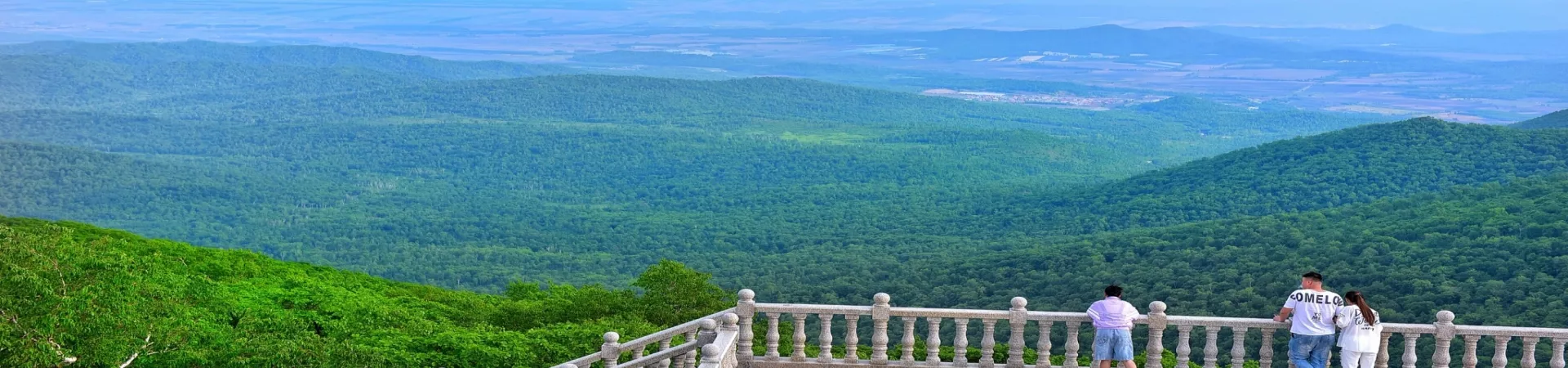
4. The Visitor Experience: Exploration and Practicalities 4.1. Trails and Key Vistas The park is developed with a network of well-maintained wooden boardwalks and hiking trails that minimize environmental impact while allowing access to its wonders. The ascent to the main peak, Dadingzi Mountain, is the central challenge, rewarding hikers with a panoramic view from its 801-meter-high summit. Here, a modern observation tower provides a 360-degree vantage point over an endless sea of forest, the winding Raohe River, and the distant Russian landscape. Other trails lead to specific attractions like "Lover's Valley," ancient tree clusters, and tranquil forest streams.
4.2. Activities for the Nature Enthusiast Primary activities center on eco-tourism and gentle adventure: * Hiking and Trekking: Trails range from gentle walks to more strenuous full-day hikes to the summit. * Photography: A paradise for landscape, macro, and wildlife photography across all seasons. * Bird and Wildlife Watching: Patience and quiet observation are key. * Botanical Study: An excellent location for learning about northern temperate forest ecosystems. * Sightseeing: Utilizing the park's shuttle buses to access different scenic areas and viewpoints efficiently.
4.3. Essential Planning Information * Best Time to Visit: Late May to early October for hiking and greenery; September to early October for autumn colors; December to February for winter scenery. * Accessibility: The park is most conveniently reached from Raohe County, which has bus connections from larger cities like Jiamusi or Shuangyashan. The final leg typically requires a taxi or arranged transport. * Facilities: Basic visitor centers, restrooms, and designated picnic areas are available at the park entrance and key points. Lodging and diverse dining options are found in Raohe town, not within the park itself. * Preparation: As a remote natural area, visitors must come prepared. Essentials include sturdy hiking shoes, layered clothing (weather changes rapidly), ample water and snacks, insect repellent (in summer), sunscreen, and binoculars. Always stay on marked trails, carry out all trash, and respect all wildlife by observing from a distance.
Dadingzi Mountain Forest Park ultimately stands as a testament to the enduring power and beauty of the natural world. It invites visitors not merely to see, but to breathe, listen, and feel the rhythm of an ancient forest—a precious and preserved piece of wilderness waiting at the edge of the nation.