Heilongjiang Qingshan National Forest Park
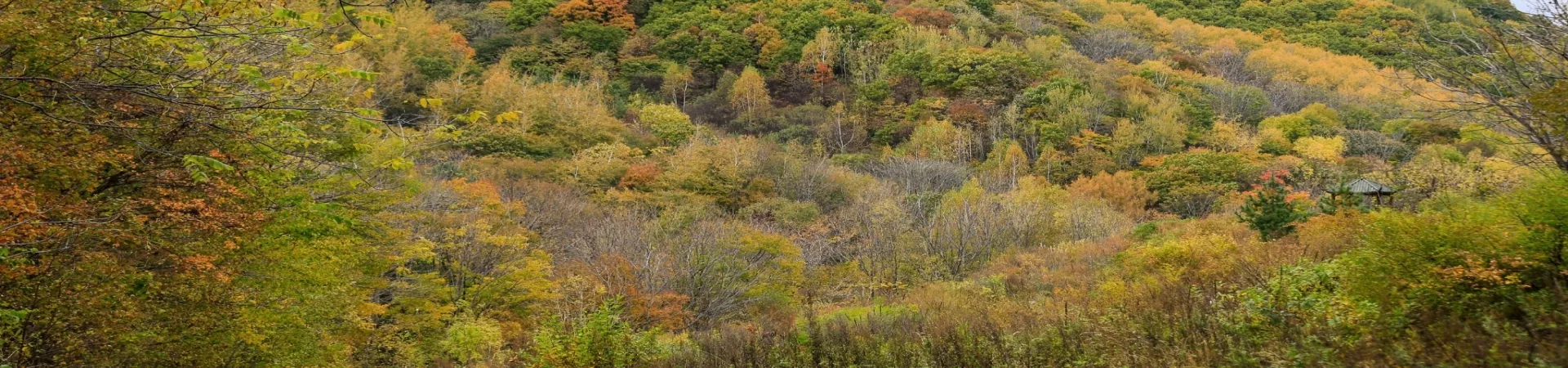
Subtitle: A Comprehensive Guide to Heilongjiang Qingshan National Forest Park
1. Introduction Nestled within the administrative boundaries of Shuangyashan City in China's northeastern Heilongjiang Province, Heilongjiang Qingshan National Forest Park stands as a pristine and expansive natural sanctuary. Far from the bustling urban centers, this park offers a profound escape into a realm dominated by dense, ancient forests, rolling mountainous terrain, and a serene, ecological richness characteristic of the cool-temperate climate zone. It represents not just a protected area but a destination for those seeking tranquility, outdoor adventure, and a deep connection with unspoiled nature. The park's vast landscapes change dramatically with the seasons, presenting a uniquely beautiful face whether cloaked in the lush greens of summer, the fiery palette of autumn, the pure, silent whites of winter, or the rejuvenating blossoms of spring. This guide provides essential information and insights to help visitors plan their journey into this remarkable forested retreat.
2. Park Overview and Natural Features 2.1. Landscape and Ecology The park is a quintessential example of a mixed broadleaf-conifer forest ecosystem in Northeast Asia. Its topography is varied, featuring gentle hills, deeper valleys, and clear streams that weave through the woodland. The forest canopy is dominated by species such as Korean pine, Mongolian oak, Manchurian ash, and various birch and maple trees, creating a complex and multi-layered habitat. This biodiversity hotspot supports a wide range of flora and fauna; while spotting larger mammals like roe deer or wild boar requires luck, the park is a haven for birdwatchers and those interested in smaller forest creatures, insects, and a rich understory of wildflowers and ferns. The air is notably fresh and fragrant with the scent of pine and damp earth, contributing to the park's reputation as a natural "oxygen bar."
2.2. Seasonal Highlights * Spring (April-May): A time of reawakening. Melting snow feeds the streams, and the forest floor comes alive with early blooms. The weather is cool and crisp, ideal for hiking without summer's humidity. * Summer (June-August): The park is at its most luxuriant. The forest forms a dense, cool green canopy, providing shade and making it a perfect retreat from the heat. This is the peak season for lush scenery, forest bathing, and streamside relaxation. * Autumn (September-October): Arguably the most spectacular season. The foliage undergoes a dramatic transformation into a breathtaking mosaic of gold, crimson, orange, and amber. The clear, blue skies and comfortable temperatures make it a photographer's paradise. * Winter (November-March): The park transforms into a silent, snowy wonderland. The landscape is ideal for experiencing the profound quiet of a winter forest, with opportunities for snow hiking and photography. The frozen scenery presents a stark, minimalist beauty.
3. Practical Visitor Information 3.1. Opening Hours and Admission It is crucial for visitors to note that the park operates on two distinct seasonal schedules. These hours are strictly enforced to ensure visitor safety and park management.
Peak Season (June 1st - August 31st):
- Opening Hours: 07:00 - 17:00 (All-day access)
- Last Admission Time: 17:00
- This schedule applies from Monday to Sunday throughout the summer months.
Off-Peak/Winter Season (December 1st - February 28th of the following year):
- Opening Hours: 07:30 - 16:00 (All-day access)
- Last Admission Time: 16:00
- This schedule applies from Monday to Sunday during the designated winter period.
- Note: The periods of spring (March-May) and late autumn (November) may have transitional hours. It is always highly recommended to confirm the exact timing directly with the park before your visit, especially during these shoulder seasons.
3.2. Contact Information For the most current information regarding accessibility, weather conditions, special events, or any alerts, visitors can contact the park directly: * Telephone: 0469-2690999
4. Planning Your Visit and Activities 4.1. Recommended Activities The primary appeal of Qingshan National Forest Park lies in its immersive natural experiences. * Hiking and Trekking: A network of trails, ranging from gentle walks to more strenuous hikes, allows exploration of the forest's interior. Well-marked paths lead visitors to scenic viewpoints, quiet groves, and alongside babbling brooks. * Photography and Nature Observation: Every season provides compelling subjects, from macro shots of fungi and insects to grand landscapes of forested hills and seasonal colors. * Picnicking: Designated areas allow visitors to enjoy a meal surrounded by nature. It is imperative to follow a "leave no trace" principle, taking all waste out of the park. * Relaxation and Forest Bathing (Shinrin-yoku): Simply being present in the tranquil environment, breathing the clean air, and listening to the sounds of the forest is a therapeutic activity in itself.
4.2. Essential Tips for a Successful Trip * Check Weather and Conditions: Weather in forested mountainous areas can change rapidly. Dress in layers and be prepared for cooler temperatures, especially outside the summer months. * Wear Appropriate Footwear: Sturdy, comfortable hiking shoes or boots with good traction are essential for the often uneven and sometimes slippery trails. * Bring Supplies: Carry sufficient water, snacks, a basic first-aid kit, and, if necessary, insect repellent. Mobile phone signals can be weak in some areas. * Respect the Environment: Help preserve the park's beauty. Do not pick plants, disturb wildlife, or leave any litter. Stay on designated trails to protect fragile ecosystems. * Plan for Travel: The park's location means access typically requires private vehicle hire or a pre-arranged tour from Shuangyashan city. Ensure your transportation plans are confirmed in advance.