853 Farm
Subtitle: From Military Reclamation to Agricultural Haven: The Story of Bawusan Farm
1. Introduction: A Tapestry Woven from History and Soil
Nestled within the vast and fertile Sanjiang Plain of Heilongjiang Province, in the administrative region of Shuangyashan City, lies Bawusan Farm—a place where the very soil tells a story of transformation. More than just an agricultural enterprise, Bawusan is a living testament to China's mid-20th century reclamation movements, a community born from determination that has blossomed into a modern agrarian jewel. Its name, "Eight-Five-Three," derived from its founding military unit designation, serves as a permanent reminder of its origins. For the discerning visitor, Bawusan offers a unique journey into a landscape shaped by human endeavor, where endless fields meet a resilient spirit, creating a destination that is both visually striking and rich in historical narrative.
2. Historical Foundations: The Reclamation Legacy
2.1. Origins in the Great Northern Wilderness The story of Bawusan Farm begins in the era of the "Beidahuang," or Great Northern Wilderness. In 1956, following the nation's call to develop border regions and ensure food security, soldiers and educated youth from the former People's Liberation Army Railway Engineering Corps Unit 853 arrived in this untamed land. They faced a formidable challenge: transforming vast expanses of wetlands and wilderness into arable, productive soil.
2.2. Building a Homeland from the Ground Up The early pioneers endured extreme hardships—harsh winters, swampy summers, and a remote, isolated environment. With sheer manpower and unwavering spirit, they dug drainage canals, built the first rudimentary shelters, and broke the virgin sod. This period of reclamation was not merely an agricultural project; it was the founding of a self-sufficient society. Schools, clinics, and basic infrastructure were established alongside the fields, laying the groundwork for the tight-knit community that defines Bawusan today.
3. The Modern Agricultural Tapestry
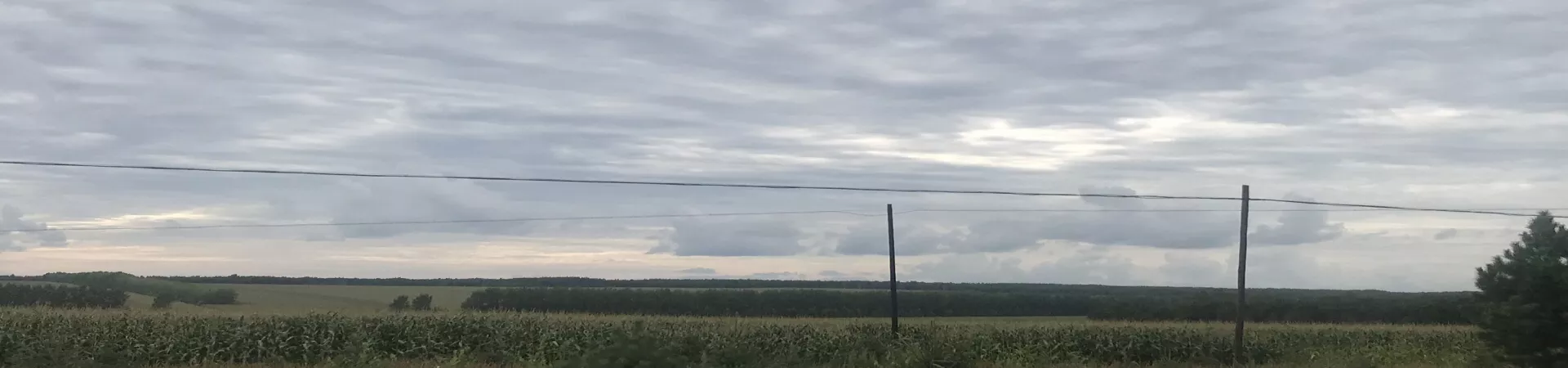
3.1. A Sea of Grain and Beans Today, the legacy of that hard work is visible on a breathtaking scale. Bawusan Farm has evolved into a large-scale, mechanized modern agricultural base. Its primary crops include: * Soybeans: Vast, rolling fields of soybeans dominate the summer landscape, turning golden in the autumn. * Corn: Tall, dense stands of corn create a green fortress across the plain. * Rice: Ingenious water management has allowed for the development of expansive paddy fields, producing high-quality japonica rice.
3.2. Technological Integration and Sustainability Modern Bawusan is a hub of agricultural technology. Visitors can observe: * Precision Farming: Utilization of GPS-guided machinery for planting and harvesting, maximizing efficiency and yield. * Ecological Practices: Implementation of crop rotation and scientific soil management to ensure long-term sustainability of the land they worked so hard to tame. * Integrated Operations: The farm operates as a comprehensive entity, managing everything from seed research and cultivation to grain processing and storage, showcasing a complete agricultural chain.
4. Experiencing Bawusan: A Visitor's Guide
4.1. Seasonal Spectacles The farm's beauty is dynamic and changes dramatically with the seasons: * Spring (May-June): A time of awakening and planting. The fields are a scene of immense activity as modern machinery sows the seeds. The air is fresh, and the wetlands come alive with migratory birds. * Summer (July-August): A boundless green ocean. The crops, especially the corn and rice, reach their full height, creating a stunning, vibrant panorama under the vast northern sky. It is the perfect time for photography and experiencing the grandeur of modern agriculture. * Autumn (September-October): The undisputed highlight. The landscape erupts into a patchwork of gold (soybeans and rice), amber (corn), and the remaining greens. The harvest season is in full swing, offering a powerful visual and sensory experience of abundance. The "Golden Autumn" here is a world-class agricultural vista. * Winter (November-April): The terrain transforms into a serene, snow-covered plain. The geometric patterns of fields and leafless trees under a blanket of snow offer a minimalist, peaceful beauty, and a glimpse into the challenging conditions the early settlers faced.
4.2. Cultural and Community Insights A visit goes beyond the landscapes: * Reclamation Memorials and Museums: Sites and exhibits dedicated to preserving the history, tools, and personal stories of the first-generation pioneers, offering deep insight into the farm's soul. * Local Life: The farm's headquarters area functions as a small, orderly town. Visitors can stroll through its streets, visit local markets to see fresh produce, and feel the rhythm of a community whose life is intrinsically tied to the land. * Local Cuisine: Meals are a celebration of the farm's yield. Expect exceptionally fresh and flavorful dishes featuring newly harvested rice, locally produced tofu, freshwater fish from the region's rivers, and wild foraged ingredients from the surrounding countryside.
4.3. Practical Considerations for Travel * Accessibility: Bawusan Farm is located approximately a 2-3 hour drive from central Shuangyashan City. The most convenient way to visit is by private vehicle or arranged tour. Public transportation options are limited. * Accommodation: Lodging is available within the farm's town center, ranging from functional guesthouses to basic hotels. It is advisable to book in advance, especially during the peak autumn harvest season. * Best Time to Visit: Late September to early October is the optimal period for witnessing the spectacular autumn colors and harvest activities. Summer offers lush greenery, while winter appeals to those seeking stark, quiet beauty.
Bawusan Farm stands as a powerful symbol of harmony between human history and natural abundance. It is a destination where the monumental efforts of the past are directly visible in the prosperous, orderly, and stunningly beautiful landscapes of the present. For travelers seeking an authentic experience beyond conventional tourist paths—one that combines historical depth, agricultural marvels, and raw, seasonal beauty—Bawusan Farm provides a profoundly rewarding and unforgettable journey into the heart of Northeast China's agrarian spirit.