Xuanwu Mountain (Yuanshan Temple)
A Pilgrimage to Faith and History: Unveiling the Mysteries of Xuanwu Mountain (Yuanshan Temple) in Shanwei
Nestled along the picturesque coastline of Guangdong Province, the city of Shanwei harbors a spiritual and cultural gem of profound significance: the Xuanwu Mountain, crowned by the revered Yuanshan Temple. More than just a scenic spot, this site represents a centuries-old tapestry woven with threads of Taoist belief, Buddhist devotion, maritime history, and communal identity. For the discerning traveler, a visit here is not merely a sightseeing excursion but a journey into the heart of a living tradition that has guided and protected generations of locals, especially the seafaring community.
A Sacred Summit: The Legacy of Xuanwu Mountain
Xuanwu Mountain itself, though not towering in height, holds immense symbolic weight. It is dedicated to Xuanwu, the Mysterious Warrior, a powerful deity in Chinese Taoism and folk religion. Xuanwu, often depicted as a tortoise entwined with a snake, is the god of the north, associated with water, longevity, and protection. For a coastal city like Shanwei, where livelihoods have long been tied to the unpredictable sea, the worship of a water deity who offers safety and patronage is both logical and deeply heartfelt. The mountain becomes a natural altar, its presence a constant reassurance against the perils of the ocean.
The Heart of the Complex: Yuanshan Temple (元山寺)
At the core of this sacred geography lies the Yuanshan Temple, the architectural and spiritual centerpiece of Xuanwu Mountain. While its foundations are deeply rooted in Taoist worship of Xuanwu, the temple complex exemplifies a remarkable syncretism characteristic of southern Chinese folk religion.
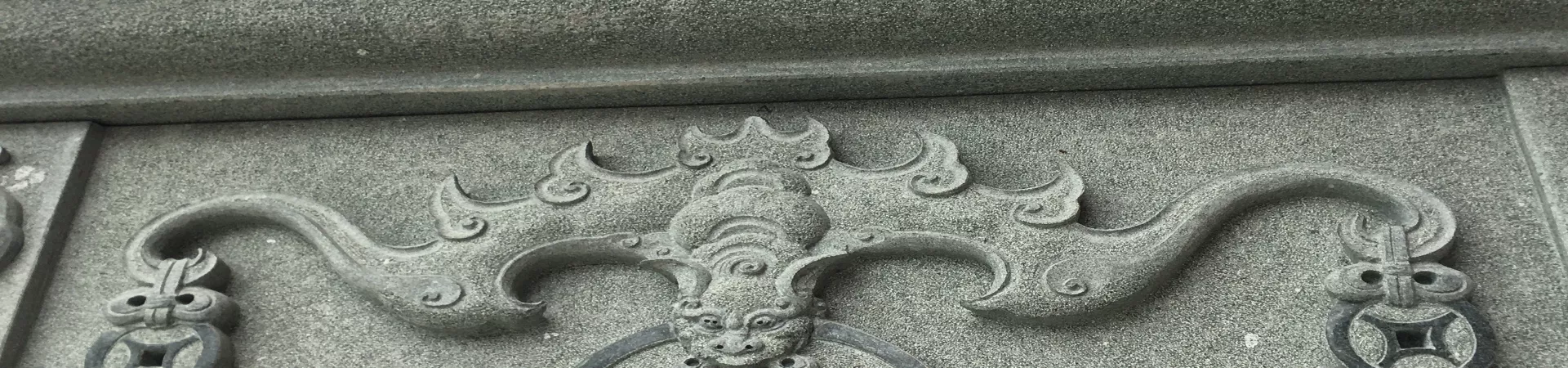
Architectural Harmony and Layout The temple is a classic example of exquisite Lingnan (Southern Chinese) temple architecture. Built along the mountain's slope, it utilizes the natural terrain to create a sense of ascending towards the divine. Visitors typically pass through a series of gates and courtyards, each step bringing them closer to the main halls. The structures are adorned with intricate wood carvings, vibrant murals depicting mythological scenes, and glazed ceramic figurines that dance along the roof ridges—masterpieces of traditional craftsmanship that tell stories without words.
A Pantheon of Protection Within the temple's halls, the primary object of veneration is the majestic statue of Xuanwu God. The atmosphere here is often thick with incense and quiet reverence as devotees pray for safety, health, and good fortune. Notably, the temple also houses significant Buddhist figures, most prominently the Goddess of Mercy, Guanyin. This coexistence is not seen as contradictory but as complementary; both deities are viewed as compassionate protectors. This blend offers a fascinating insight into the pragmatic and inclusive nature of local religious practice, where the focus is on efficacy and benevolence rather than doctrinal boundaries.
A Living Cultural Tapestry: Festivals and Traditions
The true vitality of Xuanwu Mountain is most palpable during its festivals. The temple is not a relic of the past but a stage for vibrant, living traditions.
The Grand Xuanwu God Festival The most important event is the annual Xuanwu God Festival, particularly around the deity's birthday. During this time, the mountain and temple grounds transform into a spectacle of color, sound, and fervent activity. The air resonates with the crackle of firecrackers, the rhythmic beating of gongs and drums, and operatic performances staged in thanksgiving. Pilgrims flock from Shanwei, surrounding regions, and overseas Chinese communities, especially those with ancestral roots in the area.
The Divine Procession The festival's climax is often the grand procession. The statue of Xuanwu God is ceremoniously carried from the temple on a palanquin, paraded through the streets of Shanwei, particularly in the town of Xuanwu (formerly Jieshi). This procession, known as Yingshen, is believed to bless the entire community, purifying the streets and inviting prosperity. It is a powerful display of communal unity and cultural continuity, where faith spills out from the temple confines and engulfs the town in a collective celebration.
Practical Information for the Visitor
To fully appreciate a visit to Xuanwu Mountain and Yuanshan Temple, a bit of planning is helpful.
Planning Your Visit The site is open to visitors year-round. The general opening hours are from 8:30 AM to 5:00 PM daily. While any time of year offers a glimpse into its serene beauty, visiting during major festivals like the Xuanwu God Festival provides an unforgettable, immersive cultural experience, albeit amidst larger crowds. For a quieter, more contemplative visit, weekdays outside of festival periods are ideal.
Cultural Etiquette and Respect As an active place of worship, visitors are encouraged to observe respectful etiquette. Dress modestly, speak softly within the temple halls, and follow the lead of locals regarding photography of statues. If you wish to participate, you may light incense (often available for purchase on-site) as a gesture of respect. Remember that for many around you, this is a profound spiritual encounter, not just a tourist attraction.
In essence, Xuanwu Mountain and Yuanshan Temple stand as a profound testament to the spiritual resilience and cultural richness of Shanwei. They offer a window into a world where ancient mythology shapes modern practice, where art and faith are inseparable, and where the community gathers to reaffirm its identity against the vast backdrop of the sea. It is a destination that rewards the visitor with not only visual beauty but also a deeper understanding of the soul of coastal Guangdong.