Shanwei Haifeng Lianhua Mountain
Subtitle: A Comprehensive Guide to Lianhua Mountain, Shanwei: Nature, Culture, and History Intertwined
1. Introduction to Lianhua Mountain Rising majestically to an altitude of 1,337.3 meters, Lianhua Mountain (Lotus Flower Mountain) stands as the highest coastal peak in eastern Guangdong. Its name, meaning "Lotus Flower," is derived from its striking resemblance to a blooming lotus when viewed from a distance. This majestic mountain is far more than a mere geographical landmark; it is a profound synthesis of breathtaking natural scenery, deep-rooted religious heritage, and significant historical legacy. Located in Haifeng County, Shanwei, it offers visitors an unparalleled opportunity to immerse themselves in an environment where serene beauty converges with cultural and historical depth, making it a quintessential destination for those seeking to explore the diverse tapestry of Guangdong's landscape.
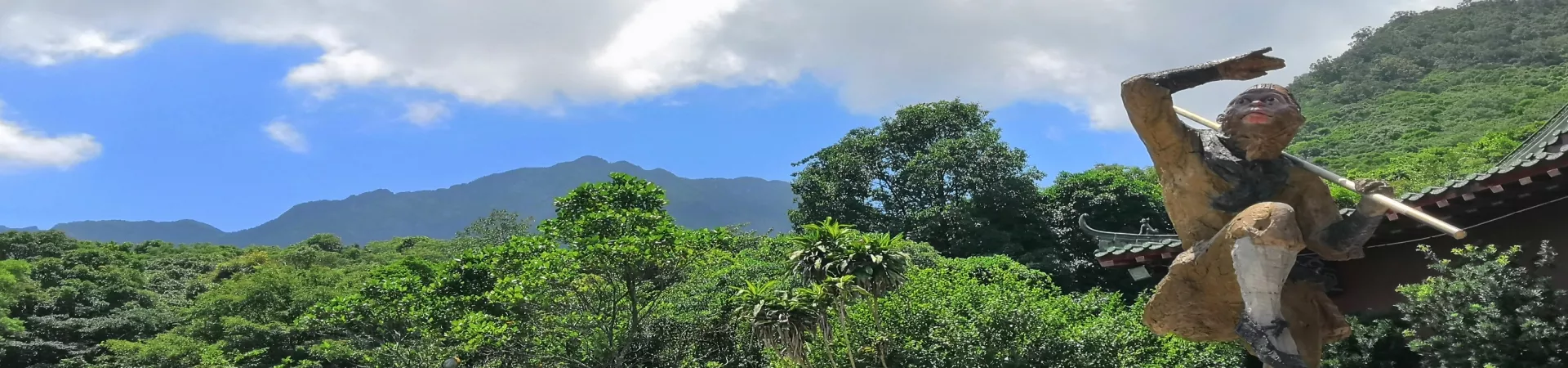
2. The Natural Splendor of the Mountain The mountain's landscape is a masterpiece of natural artistry, characterized by lush, undulating ridges and vibrant greenery that create a visually stunning effect known as "Layered Peaks and Emerald Verdure." This captivating panorama unfolds across the southern slopes, setting the stage for the mountain's numerous natural attractions.
2.1. Waterfalls and Pools The mountain is renowned for its dynamic water features, boasting 18 documented waterfalls. Among the most notable are the Shuanglong Waterfall (Double Dragon Waterfall) and the Huiyin Waterfall (Echo Waterfall), each offering a unique spectacle of cascading water and mist. These waterfalls contribute to the area's rich hydrology, feeding into serene pools and streams that enhance the tranquil atmosphere.
2.2. Hot Springs and Geological Formations Complementing the cool mountain waters are natural hot springs, such as those at Zhaogong and Puzai. These geothermal springs provide a perfect opportunity for relaxation amidst the cool mountain air. Further adding to the geological wonder are formations like the Great and Small East Gates, the Tianchi (Heavenly Pool), and the imposing Rulai Panshi (Tathagata Rock). These features showcase the powerful natural forces that have shaped the region over millennia.
3. Cultural and Religious Heritage For centuries, Lianhua Mountain has been a revered spiritual sanctuary, earning the moniker "Buddhist Kingdom of the Lotus." Its serene environment attracted monastic communities, leading to the establishment of seven ancient temples during the Ming and Qing dynasties.
3.1. Ancient Temples Key among these sacred sites are the Jiming Temple (Rooster Crow Temple), Yunlian Temple (Cloud Lotus Temple), and Jinzhu Temple (Golden Bamboo Temple). These temples, often nestled in secluded spots or perched on hillsides, are not only active centers of worship but also architectural treasures that embody traditional Chinese Buddhist design. The presence of these monasteries infuses the mountain with a palpable sense of peace and spiritual gravity.
3.2. Literary and Historical Figures The mountain's beauty and serenity have long inspired poets, scholars, and officials. Historical luminaries such as the Song dynasty Taoist master Bai Yuchan, the poet Liu Kezhuang, the national hero Wen Tianxiang, and the Qing official Ding Richang all found solace or inspiration here, leaving behind poetic verses that praise its landscapes. This literary tradition underscores the mountain's role as a muse for China's intellectual and artistic minds.
4. Modern Historical Significance Beyond its ancient heritage, Lianhua Mountain holds a pivotal place in China's modern revolutionary history. During the early 20th century, its rugged terrain provided an ideal base for revolutionary activities.
4.1. Revolutionary Base Key Communist leaders, including Zhou Enlai, Peng Pai, Xu Xiangqian, and Gu Dacun, utilized the mountain's strategic location to establish and develop armed revolutionary bases. It served as a crucial stronghold during the struggle, sheltering forces and facilitating planning.
4.2. Historical Sites This period left behind important historical relics, most notably the site of the Red Fourth Division Headquarters. These locations serve as tangible connections to a transformative era in Chinese history, adding a layer of poignant historical narrative to the mountain's identity. They remind visitors of the resilience and strategic importance of this region beyond its natural and religious appeal.
5. Practical Visitor Information To facilitate a smooth and enjoyable visit, please consider the following practical details. Please note that this information is subject to change, and verification with the scenic area prior to your visit is highly recommended.
5.1. Suggested Duration A full day is generally recommended to adequately explore the main natural, cultural, and historical sites of Lianhua Mountain. This allows time for hiking, temple visits, and contemplation of the scenery without being overly rushed.
5.2. Admission and Opening Hours * Ticket Information: An admission fee is required for entry into the Lianhua Mountain scenic area. It is advisable to check the official pricing, as it may vary or include access to specific sites within the park. For the most accurate and current ticket details, including any potential discounts, contacting the scenic area administration directly is the best course of action. * Operating Hours: The general opening hours for the scenic area are from 8:30 AM to 9:00 PM, throughout the year. However, access to specific trails, temples, or historical sites within the larger area may have different hours. Always confirm the schedule on the day of your visit to ensure access to your desired destinations.