Guiling Island
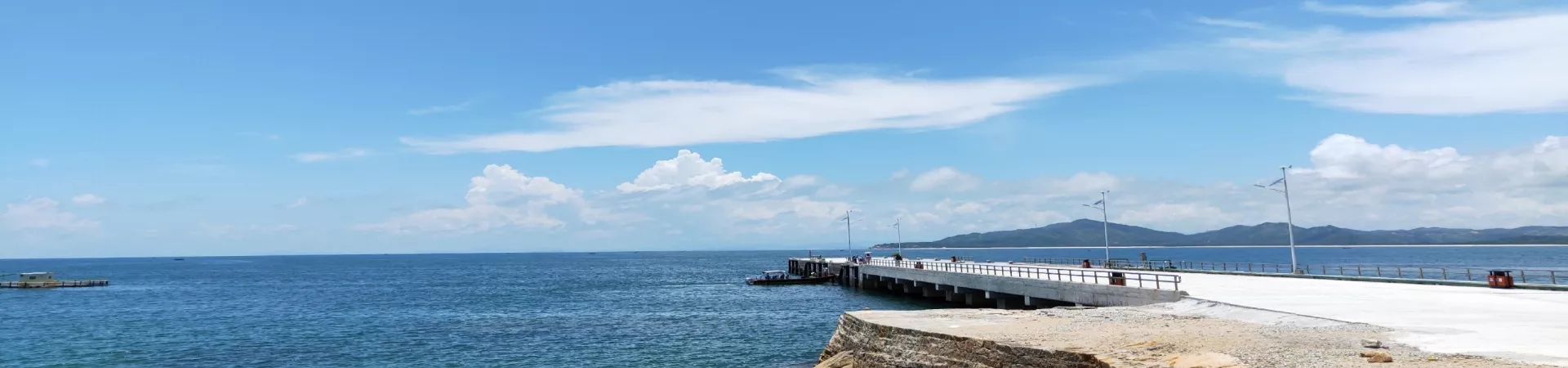
A Traveler's Guide to Guiling Island: A Hidden Gem off Shanwei's Coast
Nestled in the crystalline waters of the South China Sea, just off the coast of Shanwei in Guangdong Province, lies Guiling Island. This captivating island, whose name translates to "Turtle Age Island," offers a perfect escape from the mainland's hustle—a blend of unique geological wonder, intriguing history, and serene natural beauty. Far from the well-trodden tourist circuits, it presents an opportunity for exploration, photography, and quiet contemplation.
The Landscape: A Giant Stone Turtle Come to Life
The island's most defining characteristic is its remarkable shape, which becomes apparent from the sea or the air. Guiling Island vividly resembles a giant sea turtle making its way through the azure waves. This natural sculpture is formed by two primary peaks:
- The Carapace (Eastern Peak): The main peak, with an altitude of approximately 53.6 meters, forms the turtle's broad shell. Its slopes are smooth and rounded, mimicking the texture of a tortoiseshell. This ridge extends southeastward, dipping into the sea like the creature's flipper.
- The Head (Western Peak): The secondary peak, standing about 22.8 meters tall, serves as the turtle's raised head. It appears to gaze perpetually westward, giving the entire island a sense of purposeful, ancient motion.
This extraordinary formation sets the stage for an island that feels both mythical and profoundly grounded in the natural world.
A Gallery of Stone: Rocks and Formations
Beyond its overall silhouette, Guiling Island is an open-air museum of granite sculptures, carved over millennia by wind and sea. A short hike across the island reveals a fascinating array of rock formations, each with a character of its own. Look for the imposing archway of "The South Heavenly Gate," the whimsical silhouette of "The Sheep Looking Back," the serene profile of "The Reclining Buddha," and the precariously balanced "Mushroom Rock." These natural artworks provide endless opportunities for photography and spark the imagination, inviting visitors to create their own stories for each shape.
The Surrounding Seascape: An Archipelago Sanctuary
Guiling Island does not stand alone. It acts as the centerpiece of a small, charming archipelago. Dotting the surrounding waters are five smaller islets: Niupizhou, Chila, Yingyu, Qingyu, and Laotouyu. Along with numerous visible reefs, they form a scattered constellation of landmasses. This archipelago creates a rich marine habitat, calm channels, and ever-changing vistas. A boat trip around these islets is highly recommended, offering perspectives of Guiling's turtle form and chances to see local fishing boats and seabirds.
Whispers of the Past: Pirates and a Sacred Well
Guiling Island's history adds a layer of intrigue to its natural beauty. During the turbulent late Ming Dynasty, the island's remote and defensible location made it an ideal hideout for pirates. On the northern shores, keen-eyed explorers can still find the crumbling stone remnants of pirate dwellings—low walls and foundations being slowly reclaimed by grass. These silent ruins are a tangible link to a swashbuckling and lawless chapter of South China Sea history.
Perhaps the most vital historical site, however, is a freshwater source. At the narrowest point, where the turtle's "head" meets its "body," lies the island's lifeline: an ancient, seemingly inexhaustible freshwater well. In the middle of the saline sea, this perennial spring has provided fresh water for centuries, sustaining temporary inhabitants from pirates to fishermen and modern-day visitors. The existence of this well is considered miraculous and is deeply intertwined with local folklore.
Faith and Folklore: The Legend of Mazu
The miracle of the freshwater well is central to the island's most enduring legend. Local lore tells that the protective sea goddess, Mazu, revealed the location of this spring or blessed it to ensure the survival of those in need on the island. In gratitude and reverence, locals built a small but significant Mazu Temple on Guiling. While modest, this temple is a powerful spiritual site. It is common to see devotees making the boat journey from Shanwei to pray for safety at sea, blessings for their families, and good fortune, continuing a tradition of faith that has persisted for generations. The temple's presence adds a profound sense of peace and cultural continuity to the wild landscape.
Practical Information for Your Visit
- Getting There: Access to Guiling Island is exclusively by boat from Shanwei. Local fishermen and charter services offer rides from ports like Ma'gang. The journey itself is part of the adventure, providing stunning views of the coastline and the island's approach.
- Admission: There is no entrance fee to visit Guiling Island.
- Opening Hours: The island is accessible 24 hours a day, year-round. However, boat transportation is subject to weather conditions and daylight hours. It is crucial to arrange return trips with your boat operator in advance.
- Suggested Duration: A full day (approximately 6-8 hours) is ideal to thoroughly explore the hiking trails, rock formations, historical sites, and enjoy a picnic. Overnight camping is also a popular option for those wishing to experience the island's stunning sunrises and sunsets, but this requires bringing all necessary supplies, including fresh water and food, and obtaining any required permits.
- What to Bring: As the island is undeveloped, visitors must be self-sufficient. Essentials include sun protection (hat, sunscreen), sturdy hiking shoes, sufficient drinking water and food, a basic first-aid kit, and all trash bags to carry your waste back to the mainland. Mobile phone signal can be intermittent.