Guanyin Ridge
Subtitle: A Coastal Sanctuary of History, Natural Beauty, and Revolutionary Legacy
1. Introduction to Guanyin Ridge Nestled along the picturesque coastline of Shanwei in China's Guangdong province, Guanyin Ridge stands as a captivating destination where spiritual heritage, stunning natural landscapes, and modern historical significance converge. Named after the revered Guanyin (the Goddess of Mercy), this coastal ridge offers visitors a multifaceted experience far beyond a simple beach outing. It is a place where the whispers of ancient prayers in a Ming Dynasty temple blend with the rhythmic crash of waves on a pristine, golden beach, and where monumental stones bear silent witness to pivotal moments in China's modern history. A journey here promises a rich tapestry of cultural insight, scenic relaxation, and historical reflection.
2. Historical and Cultural Heart: The Shuiyue Palace 2.1. Origins and Architecture The spiritual core of Guanyin Ridge is the Shuiyue Palace (Water Moon Palace), the very structure from which the area derives its name. This tranquil temple complex, originally established during the Ming Dynasty (1368-1644) and known then as the "Guanyin Chapel," was meticulously rebuilt in the 21st year of the Daoguang Emperor's reign (1841) during the Qing Dynasty. The architecture is a classic example of traditional Chinese temple design, harmoniously integrated into the hillside. The complex typically includes a mountain gate serving as a solemn entrance, a worship pavilion for prayers and ceremonies, a main hall housing the primary deity, and quiet meditation rooms for resident monks. This layout facilitates a journey from the secular world into a space of reverence and peace.
2.2. Spiritual Significance Dedicated to Guanyin, the Bodhisattva of Compassion and Mercy, the Shuiyue Palace has served as a vital center of worship and pilgrimage for centuries. The temple's serene atmosphere, accentuated by the sounds of chanting and the scent of incense, provides a stark contrast to the dynamic energy of the sea below. It represents a enduring link to the region's spiritual past and continues to be a place where visitors can seek moments of tranquility and cultural connection amidst their travels.
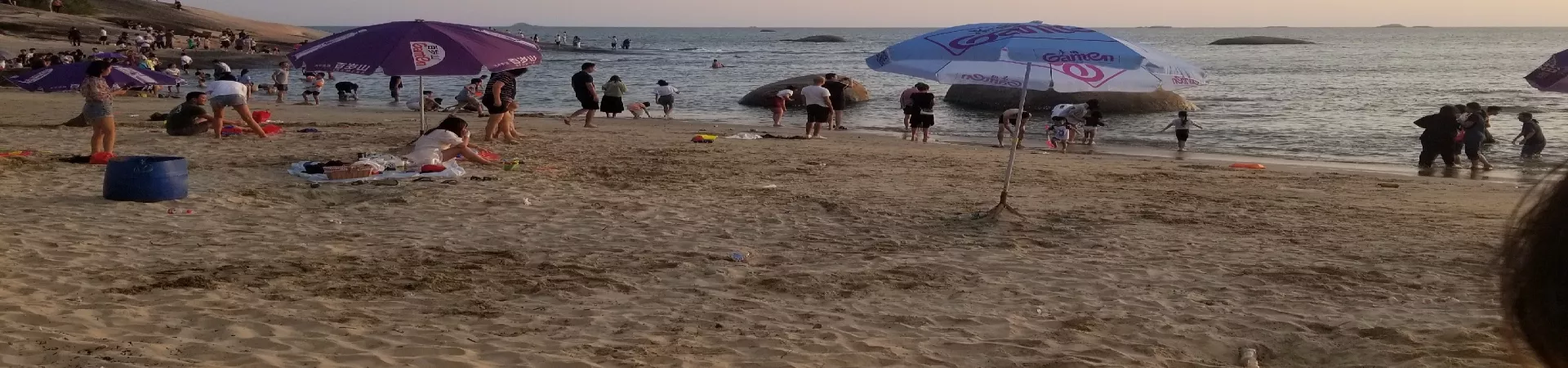
3. Natural Wonders and Recreational Appeal 3.1. The Golden Sand Beach of Jinxiang Stretching majestically for approximately eight kilometers at the foot of Guanyin Ridge lies the Jinxiang Beach. This is the region's premier natural recreational asset, renowned for its exceptionally soft, white sand, remarkably clear and calm waters, and gentle waves. These ideal conditions establish it as a perfect, naturally-formed swimming beach, suitable for families, casual swimmers, and those simply wishing to bask in the sun. The vast expanse of sand also invites leisurely strolls, beach games, and breathtaking views of the sun setting over the South China Sea.
3.2. The Dramatic Coastal Landscape The area surrounding Guanyin Ridge is characterized by a fascinating array of peculiar rock formations and hills that have been sculpted by wind and sea over millennia. This rugged topography creates a dramatic backdrop for the gentle beach, offering opportunities for light exploration and photography. The most prominent among these geological features is the "Zhenhai Stone" (Sea-Calming Stone), which holds the distinction of being the largest cliff carving in the Shanwei administrative area. This imposing inscription adds a layer of human artistry to the natural coastal drama.
4. A Site of Modern Historical Importance Beyond its natural and ancient spiritual allure, Guanyin Ridge holds a secure place in the narrative of modern Chinese history. It is intimately associated with a critical episode from the revolutionary period. The prominent "Long Stone" (Dragon Stone) on the ridge is historically recognized as the embarkation point where Communist leaders Zhou Enlai and Ye Ting made their daring escape by sea to Hong Kong during a time of intense political struggle. This site transforms the landscape from merely scenic to profoundly symbolic, allowing visitors to stand at the very location where significant historical figures undertook a journey that would impact the nation's future.
5. Practical Visitor Information 5.1. Transportation Guide Reaching Guanyin Ridge requires a straightforward transfer. Travelers should first make their way to Jieshi Town, a central hub in the area. From there, proceed to the Yuzhao Park area to locate local transportation heading towards Guanyin Ridge. Typically, local bus route number 6 passes by the Guanyin Ridge area on its journey. It is always advisable to confirm the specific drop-off point and schedule with the driver or local residents upon boarding.
5.2. Admission and Operating Hours As operational details can change, it is recommended to check the latest admission fees directly with the scenic area management. The general opening hours for visitor access are from 8:30 AM to 5:00 PM, seven days a week throughout the year. Visitors planning a full exploration of the temple, beach, and historical sites should allocate approximately one full day to fully appreciate all that Guanyin Ridge has to offer without feeling rushed.
Information last verified: January 8, 2023.