Mt. Fengshan Temple Tourist Area
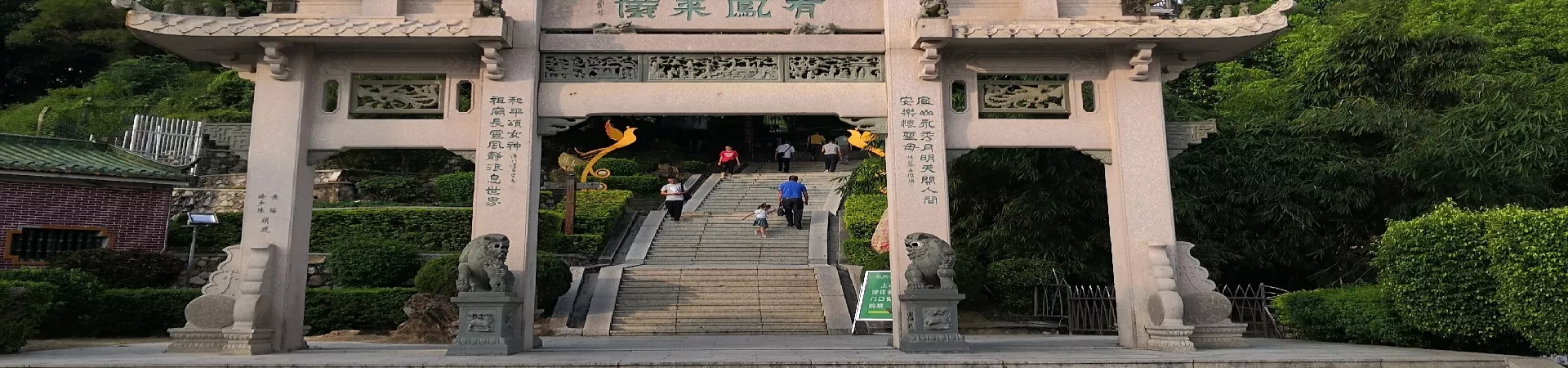
A Visitor's Guide to Fengshan Ancestral Temple Tourist Area, Shanwei
Nestled on the eastern shore of Pinqing Lake in the urban district of Shanwei City, Guangdong Province, the Fengshan Ancestral Temple Tourist Area spans approximately 100,000 square meters. This scenic spot is not only one of Shanwei's most famous landmarks but also a vital spiritual and cultural center for the people of eastern Guangdong, particularly coastal fishermen who come to worship Mazu, the Goddess of the Sea. The area seamlessly blends natural beauty, architectural heritage, and deep-rooted folk belief into a captivating destination worthy of a full day's exploration.
Planning Your Visit: Essential Information
- Contact: +86 660 3333321
- Suggested Duration: A full day is recommended to fully appreciate the site's components and serene atmosphere.
- Opening Hours: 08:30 - 18:00 daily (last entry at 17:30). Please note that hours are subject to change; it is always advisable to verify with official sources before your visit.
- Admission Fee: A standard ticket is priced at 15 RMB. As operational details can change, checking for the latest official information on the day of your visit is recommended.
Getting There: Transportation Guide
Reaching the Fengshan Ancestral Temple area is straightforward via public transport. Visitors can take Shanwei city buses No. 108, 117, or 7 and alight at the City People's Hospital (市人民医院) station. From there, the entrance to the tourist area is within a short and pleasant walking distance.
Exploring the Core Attractions
The tourist area is architecturally and thematically organized around three primary components, each offering a distinct experience.
1. Fengshan Park: The Serene Prelude Serving as the verdant entrance to the complex, Fengshan Park provides a tranquil green space with landscaped gardens and walking paths. It acts as a gentle transition from the city's bustle to the spiritual and historical core of the site, offering picturesque views of the surrounding hills and the adjacent Pinqing Lake.
2. Fengshan Ancestral Temple: The Heart of Devotion This historic temple is the cultural and religious nucleus of the entire area. Dedicated primarily to Mazu (also revered as Tianhou Shengmu, the Heavenly Empress), the temple has been a focal point for worship for centuries, especially among seafaring communities who pray for safety and bountiful catches. The temple's architecture reflects traditional Southern Chinese design, with intricate wood carvings, vibrant murals, and ornate roof decorations. The atmosphere inside is one of reverence, filled with the scent of incense and the quiet prayers of devotees.
- Architectural Highlights: Visitors should note the detailed craftsmanship in the main hall, the ceremonial gate, and the ancient stone inscriptions that hint at the temple's long history.
- Cultural Significance: Witnessing the rituals and offerings provides a deep insight into the living tradition of Mazu worship, a UNESCO-recognized intangible cultural heritage.
3. The Mazu Stone Statue at Fengyi Platform: The Iconic Landmark Dominating the skyline on Fengyi Platform is the majestic stone statue of Mazu. This towering figure of the goddess, gazing serenely over Pinqing Lake and the South China Sea beyond, has become an iconic symbol of Shanwei. The platform itself offers the most spectacular panoramic views in the area.
- The Ascent and the View: Climbing to the platform is rewarded with breathtaking vistas. To the east, the vast expanse of the sea unfolds, while to the west, the city of Shanwei and the tranquil waters of Pinqing Lake create a striking contrast.
- A Symbol of Protection: The statue is not merely a tourist sight but a beacon of peace and protection for the local community, embodying their hopes and spiritual resilience.
The Deeper Cultural Context: Mazu Worship in Guangdong
The Fengshan Ancestral Temple's significance extends far beyond its physical structures. It is a key node in the network of Mazu culture prevalent along the southern China coast. For generations, fishermen and merchants have sought her blessing before voyages, and communities have gathered here for festivals, most notably Mazu's birthday on the 23rd day of the third lunar month. A visit here is therefore an immersion into a fundamental aspect of local identity and maritime history. The temple complex stands as a testament to the fusion of spiritual belief, community life, and respect for the sea that has shaped the character of Shanwei and the wider Guangdong coastline.
Practical Tips for Visitors
- Footwear: Comfortable walking shoes are essential, as exploring the park, temple, and climbing to the statue involves a fair amount of walking and steps.
- Etiquette: As an active place of worship, visitors are encouraged to observe respectful behavior within the temple grounds. Speak softly, avoid intrusive photography during prayers, and follow any posted guidelines.
- Timing: To avoid the midday heat and potential crowds, consider visiting in the early morning or late afternoon. The light during these times is also excellent for photography, especially from the Fengyi Platform.
- Combining Your Trip: Allocate time to enjoy the lakeside scenery of Pinqing Lake, which can be beautifully viewed from various points within the tourist area. The site's location also makes it a convenient starting or ending point for exploring other attractions in downtown Shanwei.