Xianxia Ancient Road
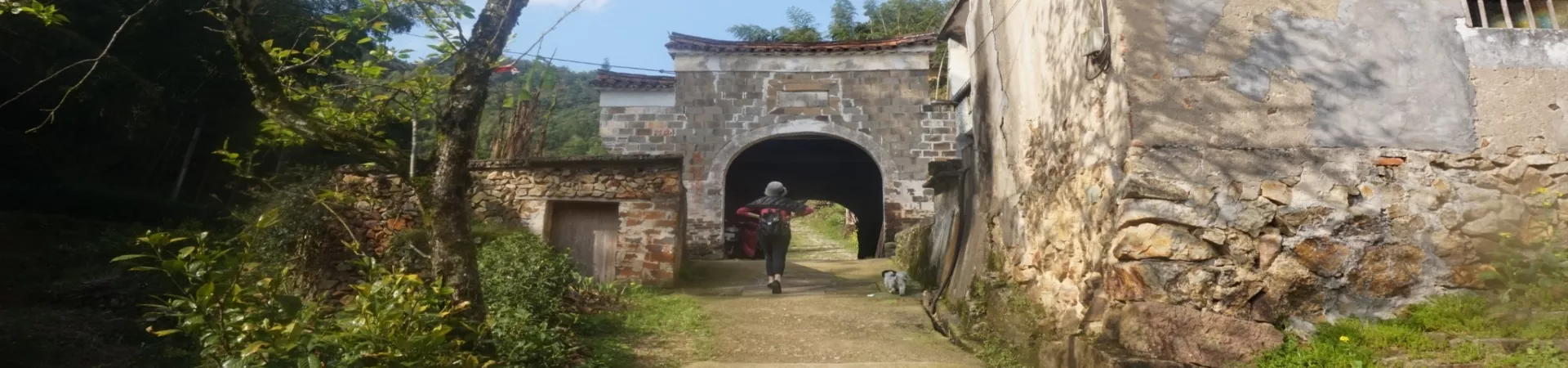
A Journey Through Time: Exploring the Xianxia Ancient Road, Quzhou's Forgotten Frontier
Nestled amidst the verdant, rolling hills of western Zhejiang Province, the Xianxia Ancient Road stands as a silent, stone-paved testament to centuries of history, commerce, and cultural exchange. More than just a scenic trail, it was a vital strategic artery, famously known as the "Southeastern Lock and Key" and the "Throat to Fujian." This title was well-earned, placing it among the pantheon of China's Four Great Ancient Passes alongside the formidable Jianmen, Hangu, and Yanmen passes. For the modern visitor, the Xianxia Ancient Road offers a profound journey—a chance to walk in the footsteps of merchants, soldiers, poets, and travelers, connecting with a landscape that shaped the destiny of three provinces.
The Strategic Crucible: A Pass That Shaped History
Geography as Destiny The immense historical significance of the Xianxia Ancient Road is born directly from its formidable geography. It carves a path through the heart of the Xianxia Mountains, a formidable natural barrier separating Zhejiang, Fujian, and Jiangxi provinces. In an era of slow, arduous travel, this route provided the most feasible, though still challenging, corridor between the fertile plains of Zhejiang and the coastal regions of Fujian. Its control was synonymous with control over the flow of people, goods, and military power.
From Tang Dynasty Courier Route to Ming-Qing Lifeline The road's official history is often traced to the Tang Dynasty, when it was developed as a crucial postal and military route. However, it reached its zenith during the Ming and Qing dynasties. As maritime trade flourished and the economic pulse of southeastern China quickened, the Xianxia Ancient Road transformed into a bustling commercial lifeline. Porters laden with silk, porcelain, tea, and salt trudged its length, while scholars on their way to imperial examinations and officials on transfers navigated its steep steps. The pass was not merely a path but a chokepoint of empire, constantly fortified and guarded, its very stones echoing with the march of armies and the whispers of dynastic intrigue.
Traversing the Stone Path: A Tapestry of Natural and Human Heritage
The Ancient Road Underfoot Walking the preserved sections of the road is the core experience. The path, often constructed with locally quarried stone slabs, snakes through bamboo forests, climbs steep ridges, and passes by tranquil streams. Each worn, moss-covered step tells a story of countless journeys. The air is fresh, filled with the scent of pine and earth, and the only sounds are often birdsong and the wind rustling through the trees—a stark and peaceful contrast to its bustling past.
Key Landmarks Along the Way The journey is punctuated by specific sites that anchor its history. The most prominent is the Xianxia Pass itself, the ancient gateway. While the original fortifications have weathered time, the sense of passing through a defensive portal remains palpable. Nearby, the Former Residence of Dai Li offers a fascinating, if controversial, glimpse into a much later chapter of history. Dai Li, the notorious head of the Republic of China's military intelligence, built this secluded house. Its design is a maze of secret passages, hidden doors, and defensive features, reflecting the paranoid mind of its occupant and providing a unique architectural curiosity from the 20th century.
A Landscape of Literary Inspiration Beyond strategy and commerce, the sublime beauty of the Xianxia landscape stirred the hearts of China's literary giants. Poets and writers from various dynasties, captivated by the mist-shrouded peaks, deep ravines, and serene solitude, left verses and descriptions that have become an inseparable part of the road's cultural heritage. Walking the path, one can easily imagine a Tang poet pausing to compose a line about the endless green mountains, adding a layer of artistic romance to the physical trek.
Practical Information for the Modern Explorer
Visiting Details The Xianxia Ancient Road scenic area is managed for visitors, with a designated entrance and maintained trails. The standard admission ticket often includes access to the Dai Li Former Residence. It is advisable to check for the most current pricing and package options upon arrival.
Operating Schedule The area is typically open to visitors daily from 8:00 AM to 5:00 PM. The ticket booth usually ceases sales at 4:00 PM. As these hours are subject to change, especially during seasonal shifts or public holidays, confirming the schedule before your final journey is recommended.
Making the Journey The Xianxia Ancient Road is located near the town of Shibandian in Jiangshan City, under the jurisdiction of Quzhou, Zhejiang. It is most conveniently accessed by private vehicle or hired taxi from Quzhou city center or Jiangshan city. Public transportation options exist but may involve multiple bus changes and less flexibility. Allocating a full day for the visit allows for a leisurely hike and full appreciation of the sites without rush.
Tips for the Trek Comfort is key for this historical hike. Wear sturdy, broken-in walking shoes with good grip, as the stone steps can be uneven and slippery, especially after rain. Carry sufficient water and some high-energy snacks. The weather in the mountains can change quickly; bringing a light rain jacket or layers is prudent. Finally, take your time. The value of the Xianxia Ancient Road lies not in reaching an endpoint quickly, but in the slow absorption of its atmosphere, history, and serene natural beauty—a true walk through the annals of time.